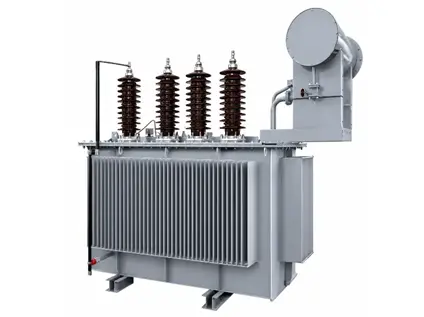
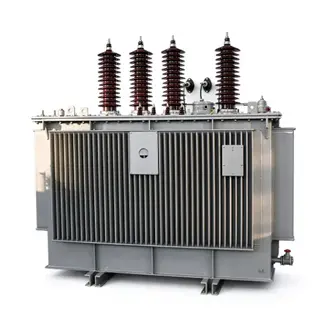
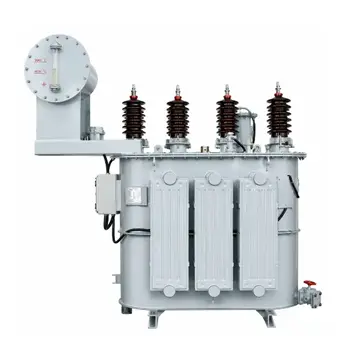
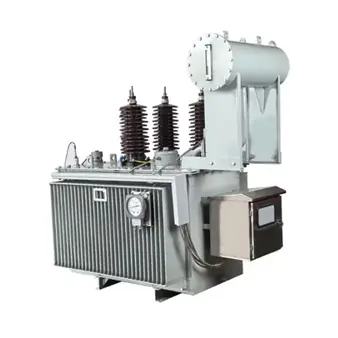
Oil-immersed earthing transformers are used in medium- and high-voltage distribution systems to provide a neutral point, limit single-phase earth-fault current and support system protection.
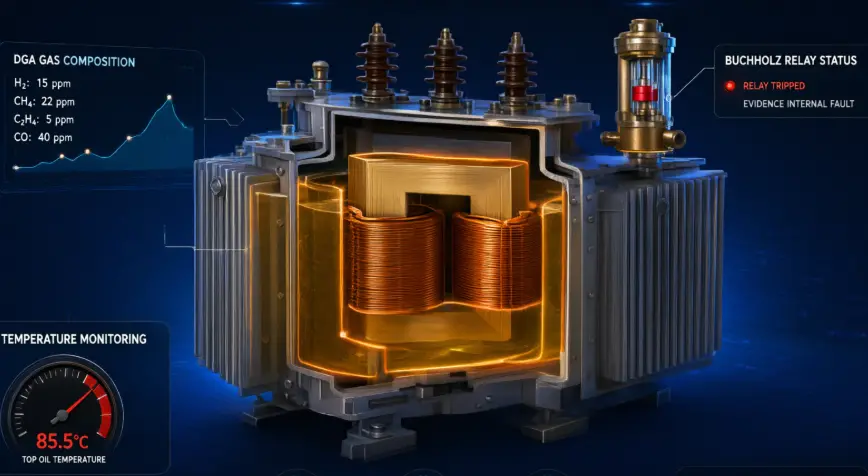
In service, abnormal dissolved gas analysis (DGA), Buchholz relay operation and excessive temperature rise are often related. They should be evaluated together with operating conditions, gas composition, gas generation rate, oil temperature and electrical tests.
1. Abnormal DGA: interpret gas composition and generation rate
| Gas pattern |
Possible fault type |
Typical causes |
| H₂ dominant, small amount of CH₄ |
Partial discharge, moisture or bubbles |
Moist insulation, oil bubbles, bushing defects |
| CH₄, C₂H₆, C₂H₄ increased, C₂H₂ low |
Thermal fault |
Core fault, circulating current, poor contact |
| C₂H₂ increased with H₂ and C₂H₄ |
Discharge or severe overheating |
Winding fault, poor connection, tap-changer fault |
| CO and CO₂ continuously increasing |
Solid insulation ageing or overheating |
Paper insulation degradation involving cellulose |
| Rapid total hydrocarbon increase |
Active fault |
Fault development requiring close monitoring |
For earthing transformers, core faults such as unintended core grounding may cause circulating current and medium- to high-temperature overheating. This typically shows as increased ethylene and ethane, with total hydrocarbons above the attention value and little or no acetylene. A rapid rise in acetylene may indicate a higher-risk condition such as a winding fault, poor lead connection or tap-changer contact failure.
A single DGA result should not be used for final diagnosis. The trend, gas generation rate, load condition, oil temperature, core earth current and electrical test results should be considered together.
2. Buchholz relay operation: alarm and trip conditions
The Buchholz relay is installed between the main tank and the conservator. It responds to gas accumulation and oil flow disturbance inside the transformer.
- Light gas alarm usually indicates slow gas accumulation. Possible causes include minor internal faults, air ingress during oil filling or filtering, low oil level, residual gas after maintenance, or secondary circuit issues. Gas should be collected and checked for combustibility. If the gas is non-combustible and no other abnormality is found, it may be air. If the gas is combustible or the alarm recurs, an internal fault should be investigated.
- Heavy gas trip usually indicates a serious internal fault or strong oil flow impact. Typical causes include winding short circuit, insulation failure, severe core overheating, tap-changer failure, severe oil leakage or external short-circuit impact. After a heavy gas trip, the transformer should not be re-energized without investigation. Oil and gas samples should be taken for DGA, and appropriate electrical tests should be carried out.
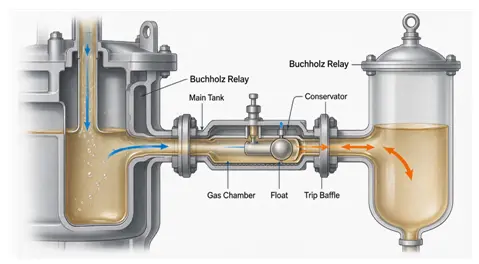
Structure and oil-gas flow schematic of Buchholz relay between main tank and conservator
3. Excessive temperature rise: check load, cooling and internal condition
Temperature rise should be assessed against the reference ambient temperature, nameplate data, technical specifications and the applicable IEC standard. In IEC practice, reference ambient temperature is commonly taken as 40 °C, but the final limit depends on the product standard and project specification.
- Load and system factors
Sustained overloading increases copper loss. Unbalanced load, harmonics and prolonged overvoltage can also increase additional losses and raise oil and winding temperature.
- Cooling and oil condition
Blocked radiators, failed fans or pumps, closed valves, poor ventilation, low oil level, oil ageing or moisture can all reduce heat dissipation.
- Internal faults
If load and cooling conditions are normal but temperature remains high, possible internal causes include core circulating current, winding fault, poor tap-changer contact, loose lead joints, oil duct blockage or localized overheating.Temperature rise is often linked with DGA and Buchholz signals. For example, core circulating current may cause rising ethylene and localized overheating. A winding fault may cause acetylene increase, Buchholz trip and rapid temperature rise.
4. Recommended field checks
- Review load, voltage, ambient temperature and cooling system status.
- Check oil level, conservator, breather, valves and tank sealing.
- Collect gas and oil samples when Buchholz alarm or DGA abnormality occurs.
- Measure core earth current to check for unintended core grounding.
- Perform electrical tests such as winding resistance, insulation resistance, tan δ and ratio tests when required.
- Use infrared thermography to check bushing connections, leads and radiator temperature distribution.
- If temperature rises rapidly, heavy gas trip occurs, or acetylene increases significantly, arrange outage inspection promptly.
5. Maintenance guidance
Oil-immersed earthing transformers should be monitored through DGA trend, Buchholz signals, temperature records and periodic electrical tests. It is recommended to maintain DGA history, check core earth current regularly, keep cooling systems and breathers in good condition, and release trapped gas after oil filling or maintenance.
This article provides general technical guidance and is not a substitute for the applicable IEC standards, manufacturer instructions, or site-specific engineering judgment.
Reference standards
- IEC 60599:2022, Mineral insulating oils in electrical equipment – Guidance on the interpretation of dissolved and free gases analysis
- IEC 60076-6:2007, Power transformers – Part 6: Reactors
- IEC 60076-22-1:2019, Power transformers – Part 22-1: Power transformer and reactor fittings – Protective devices
- IEC 60076-2:2011, Power transformers – Part 2: Temperature rise for liquid-immersed transformers
Edited From:Echo

 Login