In modern medium and high‑voltage power transmission and distribution systems, the performance of insulating media directly determines the safety, stability and compactness of power equipment. With excellent insulation performance, superior arc extinguishing capacity and stable chemical properties, sulfur hexafluoride (SF₆) has become the preferred insulation and arc extinguishing medium for core equipment such as high‑voltage switches, ring main units (RMUs), and gas insulated switchgears (GIS). It is widely used in power systems of 6kV to 220kV and even higher voltage levels. Compared with traditional air insulation and oil insulation media, SF₆ gas presents remarkable comprehensive performance advantages, greatly promoting the technical innovation of miniaturization, maintenance‑free operation and high reliability of high‑voltage power equipment. This paper systematically expounds the core insulation strength parameters, microscopic mechanism, performance advantages, influencing factors and engineering application key points of SF₆ gas, providing theoretical support for the selection, operation, maintenance and technical research of power equipment.
1. Core Insulation Strength Parameters of SF₆ Gas
Insulation strength refers to the ability of a dielectric to withstand electric fields and avoid breakdown discharge. The standard test conditions are defined as uniform electric field, 25℃, 0.1MPa absolute atmospheric pressure and 50Hz power frequency, with air as the comparison benchmark. Under standard working conditions, the power frequency breakdown field strength of air is about 30kV/cm, while that of SF₆ gas reaches 75 to 90kV/cm. Its insulation strength is 2.5 to 3 times that of air, making it one of the optimal gaseous insulating media widely used in industrial fields.
The insulation strength of SF₆ gas is positively correlated with gas pressure. Within the conventional engineering pressure range and uniform electric field environment, the breakdown voltage increases approximately linearly with the rise of gas pressure, which is the core principle of improving the insulation capacity of high‑voltage equipment by pressurization. At the atmospheric pressure of 0.1MPa, the insulation strength is 2.5 to 3 times that of air. When the pressure rises to 0.2MPa, the breakdown field strength reaches 150 to 180kV/cm, and it can reach 220 to 260kV/cm at 0.3MPa, realizing a significant improvement in insulation performance. Compared with transformer oil (insulation strength is about 2 to 2.5 times that of air), SF₆ has better insulation performance under standard working conditions, and avoids the potential safety hazards of oil media such as flammability, leakage and aging deterioration.
It is necessary to distinguish that the arc extinguishing performance of SF₆ is far superior to its insulation performance, with an arc extinguishing capacity about 100 times that of air. This dual characteristic of high insulation and ultra‑strong arc extinguishing enables SF₆ to adapt to two core scenarios of power equipment: electrical insulation isolation and fault arc interruption, which is incomparable to other insulating media.
2. Micro
scopic Mechanism of High Insulation Performance of SF₆
The excellent insulation performance of SF₆ fundamentally derives from its unique molecular structure and electronegative physicochemical properties. The core working mechanisms are electron capture effect and ionization suppression effect, which fundamentally inhibit electric field breakdown and arc continuation. The SF₆ molecule consists of one sulfur atom and six fluorine atoms, with a highly symmetrical structure and extremely high bond energy. It has extremely stable chemical properties at room temperature, non‑flammable, non‑corrosive and insoluble in water, possessing inherent advantages as an insulating medium.
As a typical strong electronegative gas, SF₆ molecules have an excellent ability to adsorb free electrons. Under the action of an electric field, a large number of free electrons will be generated in air media. High‑speed moving electrons continuously collide with gas molecules, triggering collision ionization and electron avalanche effect, which eventually leads to dielectric breakdown and arc discharge. In contrast, SF₆ gas can quickly capture free electrons in electric fields and arcs to form negative ions with large mass and extremely low migration rate. Such negative ions cannot participate in collision ionization, which greatly weakens the ionization reaction of the electric field, blocks the diffusion of electron avalanches, effectively improves the dielectric insulation strength and restrains the occurrence of breakdown discharge.
Under the high‑temperature environment of arcs, SF₆ molecules will be temporarily decomposed into active sulfur fluoride intermediates and fluorine atoms, which also have strong electronegativity and can further capture free electrons to strengthen the arc extinguishing and insulation effect. When the arc is extinguished and the temperature returns to room temperature, the decomposed products will rapidly recombine and restore to stable SF₆ molecules with completely recovered insulation performance. This excellent recyclable characteristic is the key to the long‑term maintenance‑free operation of SF₆ equipment.
3. Key Engineering Factors Affecting SF₆ Insulation Strength
The insulation performance of SF₆ tested in a uniform laboratory electric field is the theoretical optimal value. In actual power engineering scenarios, electric field distribution, gas purity, ambient temperature and equipment operating conditions will directly affect the insulation performance, and even cause severe attenuation of insulation strength, which are the key focuses of equipment operation and maintenance.
The uniformity of the electric field is the most critical influencing factor. SF₆ gas is extremely sensitive to non‑uniform electric fields. Burrs on internal conductors, metal particles, insulator defects and installation deviations of equipment will cause local electric field distortion and tip discharge effect. In a non‑uniform electric field, the insulation strength of SF₆ can decrease by more than 50%, which is very likely to cause partial discharge and insulation breakdown faults. Therefore, extreme processing precision, burr‑free treatment and clean assembly are essential to ensure the insulation performance of SF₆ equipment.
Gas pressure and purity are also vital influencing factors. Insufficient pressure will directly reduce the insulation and arc extinguishing capacity. The standard inflation pressure of conventional ring main units is 0.14 to 0.15MPa (absolute pressure), and the working pressure of GIS equipment can reach 0.4 to 0.6MPa gauge pressure. Pressure deviation beyond the allowable range will directly cause potential insulation hazards. Meanwhile, moisture and air impurities in the gas will seriously damage the insulation performance. Excessive moisture will generate corrosive acidic substances under the action of arcs, corrode equipment inner walls and insulators, and produce solid dust. Air impurities will reduce the overall electronegativity of the gas and lead to the decline of breakdown voltage. Hence, it is necessary to strictly control the gas purity and micro‑water content of SF₆ equipment.
In addition, ambient temperature exerts a significant impact on insulation performance. SF₆ gas has liquefaction characteristics in low‑temperature environments, resulting in reduced gas density and attenuated insulation strength. In extreme low‑temperature conditions, it may even lose insulation and arc extinguishing capacity. Therefore, SF₆ power equipment used in alpine regions needs anti‑liquefaction configuration or mixed gas proportioning to ensure stable operation at low temperatures.
4. Engineering Application of SF₆ Insulating Media in Power Equipment
Benefiting from the comprehensive advantages of high insulation, strong arc extinguishing capacity, stable performance and maintenance‑free operation, SF₆ gas has completely replaced traditional air and insulating oil media, and become the core insulating material for medium and high‑voltage distribution equipment, widely applied in various switchgears and complete distribution devices.
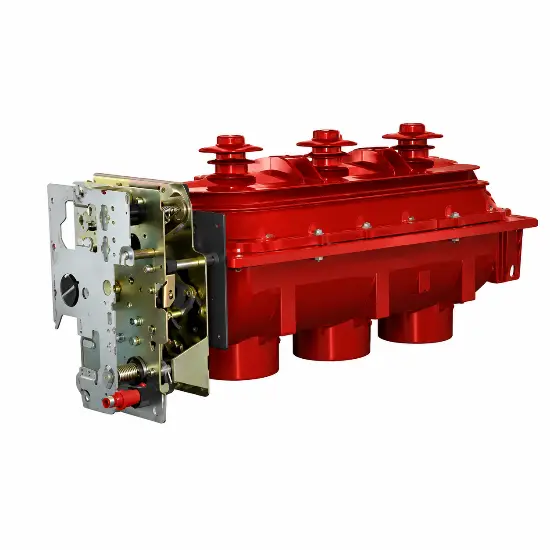
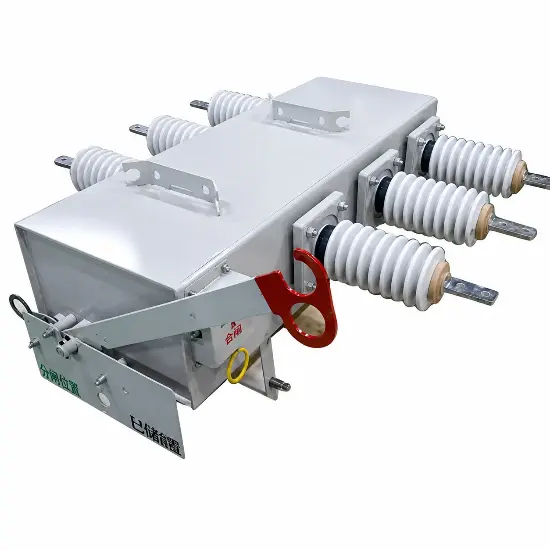
In the field of high‑voltage load switches and ring main units, SF₆ insulated ring main units are mainstream equipment for urban and rural distribution networks, box‑type substations, and industrial and mining power distribution systems. Compared with air‑insulated equipment, SF₆ insulated structures reduce the volume by more than 60%, featuring compact structure and small floor space, which is suitable for narrow power distribution spaces in cities. Meanwhile, its insulation performance is stable and not affected by ambient humidity and dust, realizing long‑term maintenance‑free operation and effectively reducing the operation and maintenance cost of distribution systems. Some high‑grade 12kV and 24kV high‑voltage load switches adopt SF₆ insulation structure, with greatly improved insulation reliability and service life compared with pneumatic air‑blown equipment.
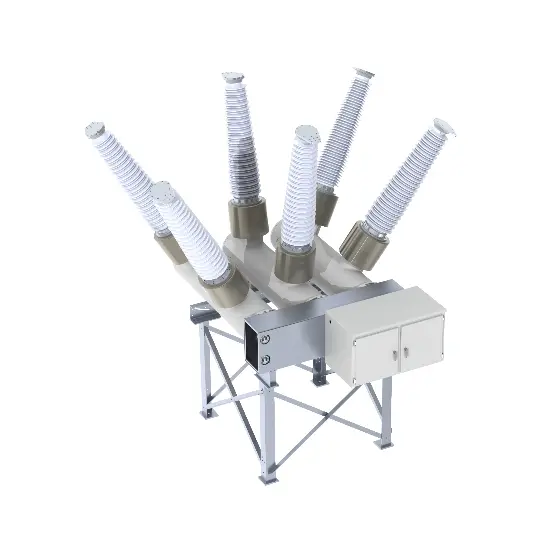
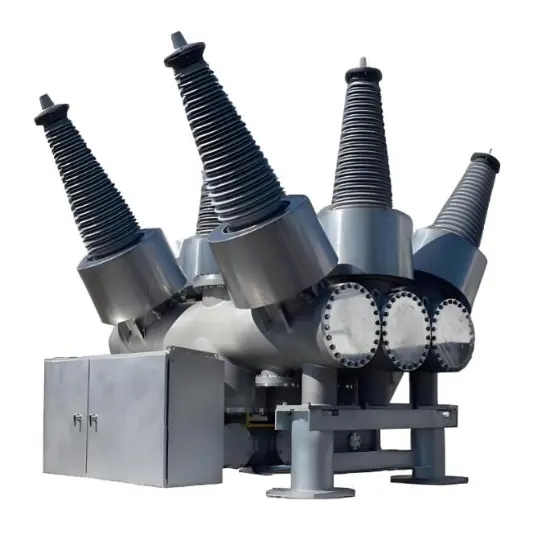
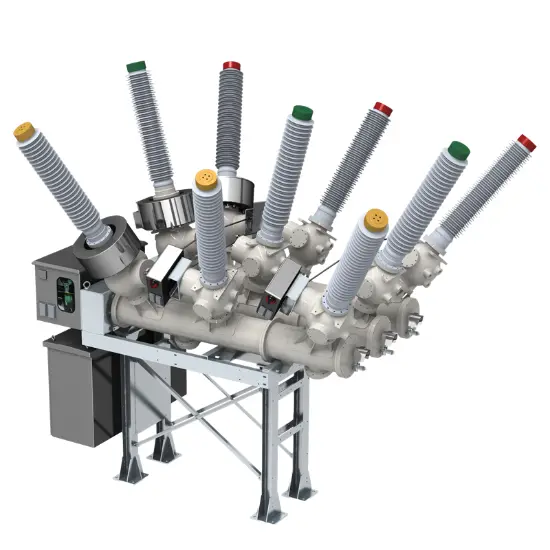
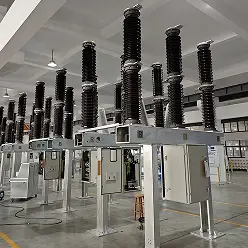
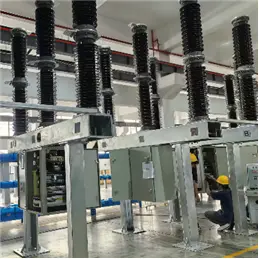
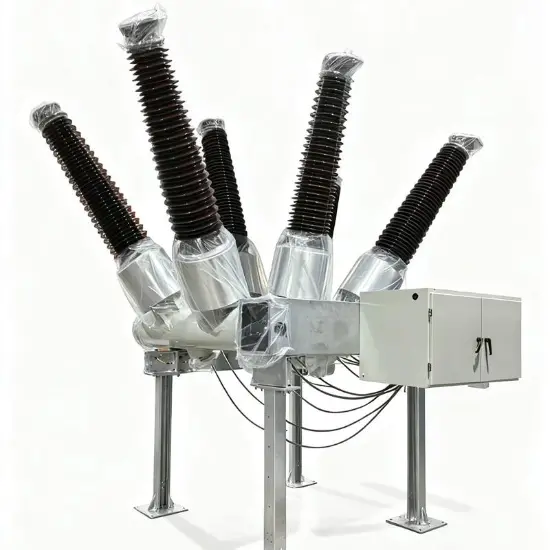
In high‑voltage circuit breakers and GIS equipment, SF₆ is the only medium that meets both insulation and rapid arc extinguishing requirements. High‑voltage circuit breakers blow out short‑circuit arcs through high‑speed SF₆ airflow. Relying on the arc extinguishing capacity 100 times that of air, it can quickly cut off short‑circuit current of tens of kiloamps and ensure rapid fault removal of power grids. GIS gas insulated substations adopt fully enclosed SF₆ insulation structure, integrating and sealing circuit breakers, disconnectors, transformers and other equipment. The insulation performance is free from external environmental interference, which significantly improves the reliability of power grid operation, and is widely used in high‑voltage power transmission hubs, urban core power grids, new energy grid‑connected power stations and other key scenarios.
In addition, SF₆ insulating media are also applied in high‑voltage voltage transformers, current transformers, high‑voltage switch cabinets and other equipment. Relying on stable insulation performance, it realizes electrical isolation between primary equipment and secondary protection and metering loops, laying a solid foundation for the safe operation of power systems.
5. Application Advantages and Operation & Maintenance Precautions of SF₆ Media
Compared with traditional insulating media, SF₆ has prominent application advantages. Firstly, it has excellent insulation performance, enabling miniaturization of equipment and saving infrastructure and land occupation costs. Secondly, it has stable chemical properties without combustion and explosion risks, with much higher safety than oil‑insulated equipment. Thirdly, it has ultra‑strong arc extinguishing capacity, realizing fast fault breaking speed and strong adaptability to various short‑circuit fault conditions. Fourthly, the medium is recyclable and can automatically recover after arc decomposition, with long equipment service life and low operation and maintenance workload.
Meanwhile, core operation and maintenance key points should be strictly controlled in engineering applications. First, strictly control equipment airtightness to prevent gas leakage and replenish gas in time when the pressure is insufficient. Second, regularly detect gas purity and micro‑water content, and purify or replace unqualified gas in a timely manner. Third, thoroughly clean internal metal dust and impurities during equipment maintenance to avoid electric field distortion. Fourth, pay attention to low‑temperature environment adaptation to prevent insulation failure caused by SF₆ liquefaction.
6. Conclusion
With ultra‑high insulation strength (2.5 to 3 times that of air), superior arc extinguishing performance and stable physicochemical properties, SF₆ gas has completely renovated the insulation technology system of medium and high‑voltage power equipment, and become an indispensable core medium for modern distribution and high‑voltage power transmission systems. Its unique electron capture insulation principle, pressure‑controllable insulation characteristics and reversible working mechanism realize the upgrading of power equipment towards miniaturization, high reliability and maintenance‑free operation. Under the trend of intelligent and compact development of power systems, in‑depth understanding of SF₆ insulation characteristics and precise control of engineering application and maintenance key points are of great practical significance for improving the operation stability of power equipment, reducing power grid fault risks and optimizing the architecture of distribution systems. In the future, with the iterative upgrading of environmentally friendly insulating gas technology, the green and efficient application of SF₆ media will also become an important direction for the technical upgrading of power equipment.
Contact us:
Edited From:Dyson

 Login