Why Do We Need a Grounding Transformer and Where Is It Used?
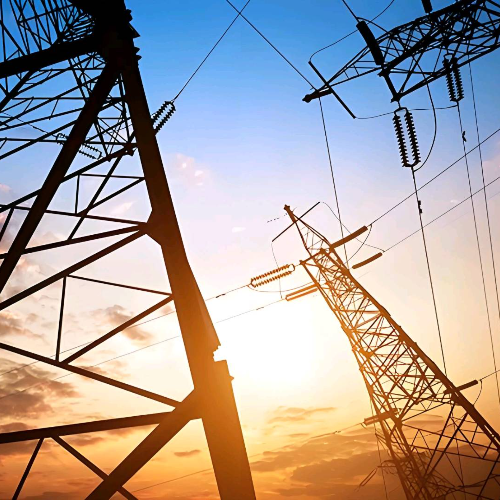
Why Do We Need a Grounding Transformer?
The grounding transformer is one of the most important devices in power systems, primarily used to connect or isolate the system neutral point to ground, thereby ensuring the safety and reliability of the power system. Below are several reasons why we need grounding transformers:
Prevent Electrical Accidents:During the operation of a power system, abnormal conditions such as voltage leakage may occur in equipment or lines due to various reasons. If the neutral point of the power system is not properly grounded, ground faults may occur, potentially causing fires and endangering people's lives and property. The grounding transformer isolates the neutral point from ground (or provides a controlled grounding path), thus avoiding such hazards.
Improve Power System Reliability:By isolating or properly grounding the neutral point, grounding transformers prevent ground faults, ensuring normal operation and reliable power supply of the system.
Reduce Harmonics and Electromagnetic Interference:Power systems contain various harmonics and electromagnetic interference that severely affect normal operation. Grounding transformers can effectively reduce harmonics and minimize electromagnetic interference, enhancing system stability.
Protect Human Safety:For large electrical equipment, the health risks posed by electromagnetic fields cannot be ignored. Grounding transformers isolate the system neutral from ground, effectively protecting the health and safety of humans and animals.
Where Are Grounding Transformers Used?
Grounding transformers are mainly used in the following two scenarios:
To Ensure Safety:When a fault occurs in an electrical system, the enclosure of electrical equipment may become energized, posing a risk of electric shock or electrocution. To prevent this, the neutral point must be grounded. A grounding transformer isolates system charges from ground and quickly isolates the faulty circuit during a fault.
To Overcome Physical Limitations:In some power systems, directly grounding the neutral point is not feasible. For example, in certain high-voltage systems, direct neutral grounding may generate high-voltage harmonics due to physical and safety constraints, adversely affecting human health. In such cases, a grounding transformer is used to isolate system charges from ground, reducing the likelihood of faults.
In summary, grounding transformers play a vital role in power systems by significantly enhancing safety and reliability.
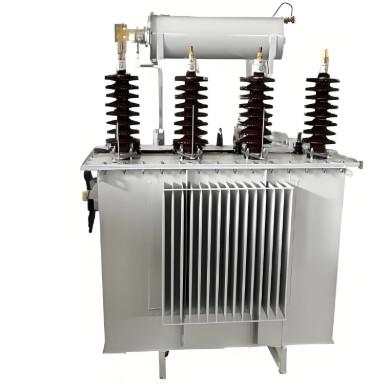
What Is a Grounding Transformer?
A grounding transformer is a specialized electrical device used in power systems primarily for neutral grounding protection. In typical power systems, the neutral point is grounded to improve system reliability. If a short circuit occurs between a live conductor and the neutral point, a fault current is generated. To prevent this fault current from passing through the human body and causing injury or death, grounding transformers are used to isolate circuits and reduce the risk of equipment damage and personal injury.
The main function of a grounding transformer is to provide a grounding path for the neutral point, directing fault currents safely into the earth, thereby effectively preventing electric shock and equipment damage. The quality of a grounding transformer greatly affects the safety, stability, reliability, and economic performance of the electrical system, so great care must be taken in its design and application.
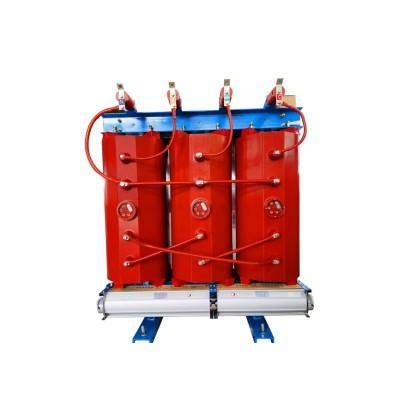
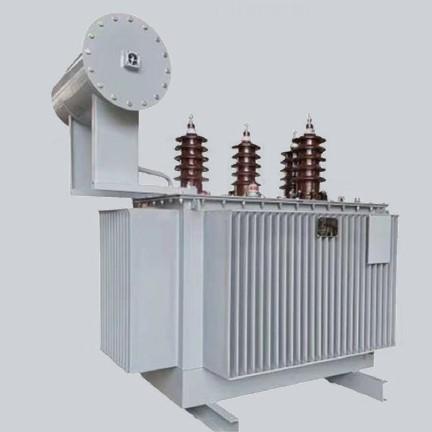
Grounding transformers are generally classified into indoor and outdoor types based on installation location. Indoor grounding transformers can be further divided into wall-mounted and bracket-mounted types. Outdoor grounding transformers typically resemble dry-type transformers in appearance but offer superior performance in terms of pollution resistance, insulation deformation, and partial discharge characteristics.
In conclusion, grounding transformers play a crucial role in electrical systems and effectively protect people’s lives and property.
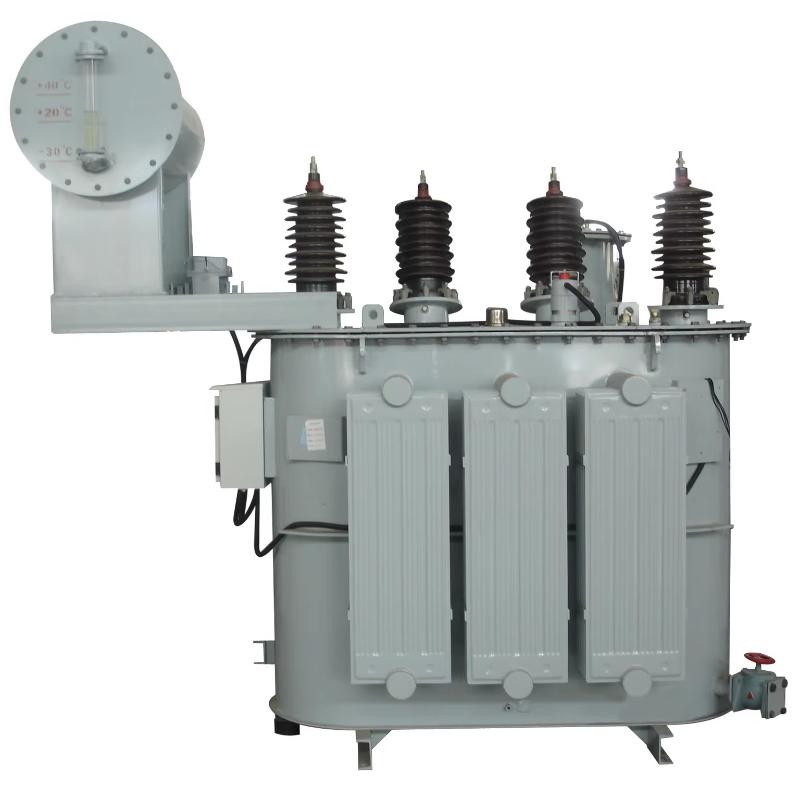
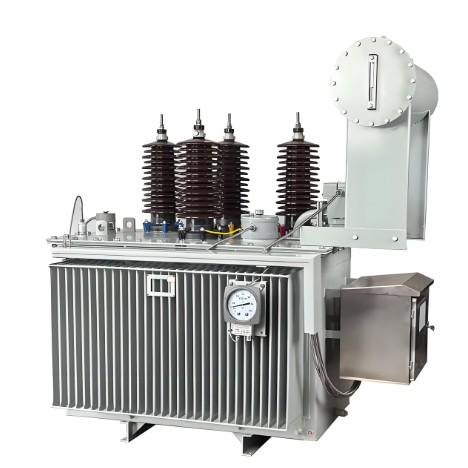
-
Customization Three - phase 11kV 20kV 22kV 30kV grounding/earthing transformers Original Manufacturer

-
Customization 66kV 88kV 110kV 132kV Three Phase Z-type winding Oil-Immersed Earthing Transformer source manufacturer

-
6-35KV 33KV oil-immersed neutral grounding resistance to transformer (earthing transfoemer)

-
22kV 30kV 33kV 66kV Three phase Oil Immersed Grounding /Earthing Transformer Manufacturer