Dynamic Braking Principles in DC Motors
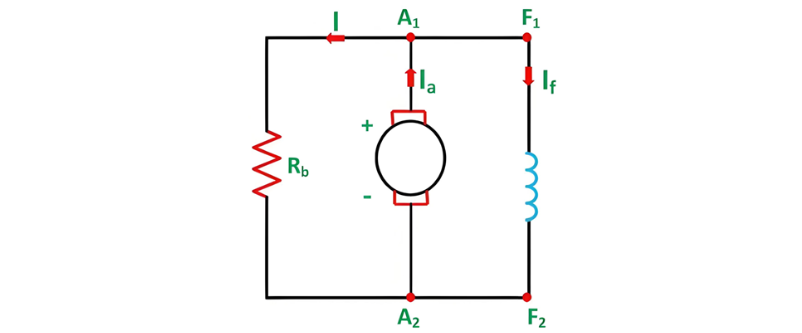
In dynamic braking, a braking resistor Rb is connected across the armature immediately after disconnecting the DC motor from the supply. The motor then functions as a generator, producing braking torque.
Dynamic Braking Configurations
Two connection methods enable braking operation:
The connection diagram for dynamic braking of a separately excited DC motor is shown below:
When the machine works in the motoring mode.
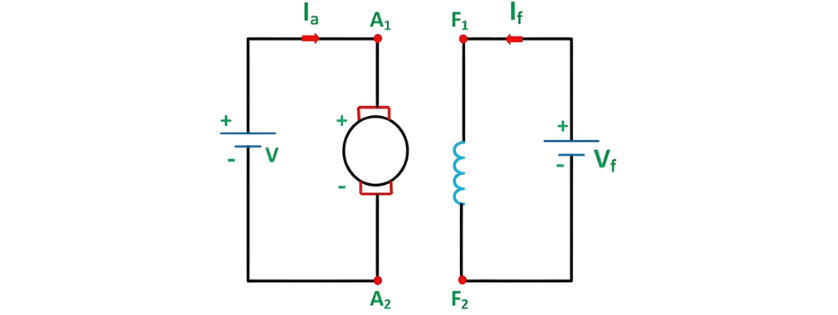
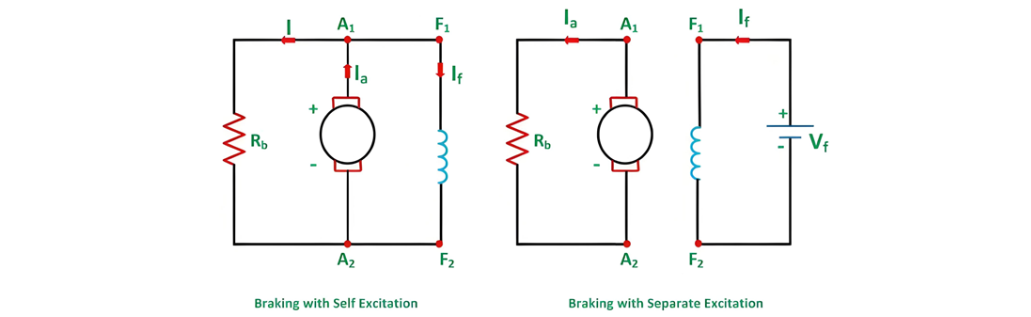
The connection diagram is shown below when braking with separate excitation is done.
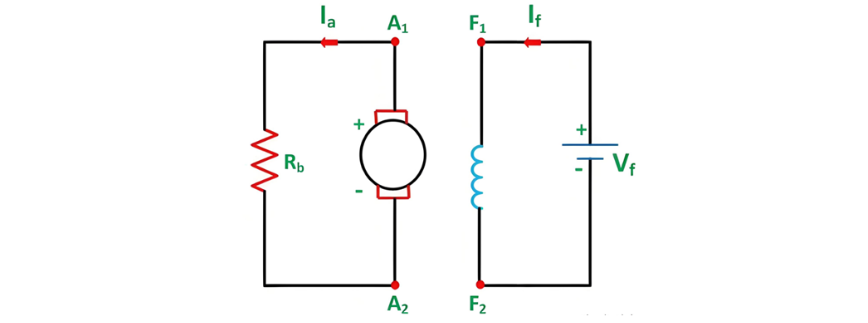
The connection diagram is shown below when braking with self-excitation is performed.
Dynamic Braking (Rheostatic Braking) Principles
This method is also termed rheostatic braking, as an external braking resistor Rb is connected across the armature terminals for electrical braking. During braking, when the motor operates as a generator, the kinetic energy stored in the machine's rotating components and connected load is converted to electrical energy. This energy is dissipated as heat in the braking resistor Rb and armature circuit resistance Ra.
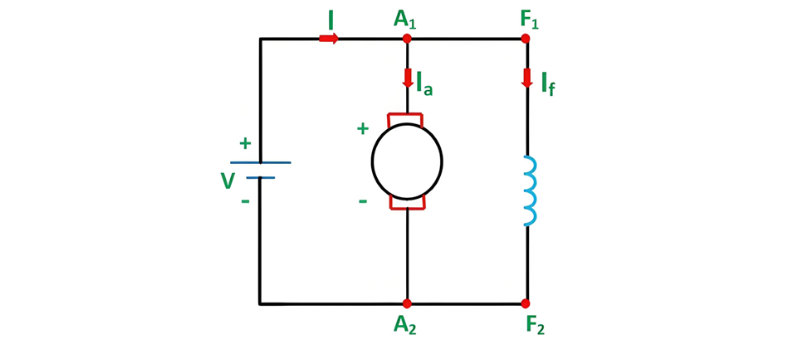
The connection diagram for dynamic braking of a DC shunt motor is shown below:
When the machine is working in the motoring mode.
The connection diagram of shunt motor braking with self and separate excitation is shown in the figure below:
Series Motor Dynamic Braking Configuration
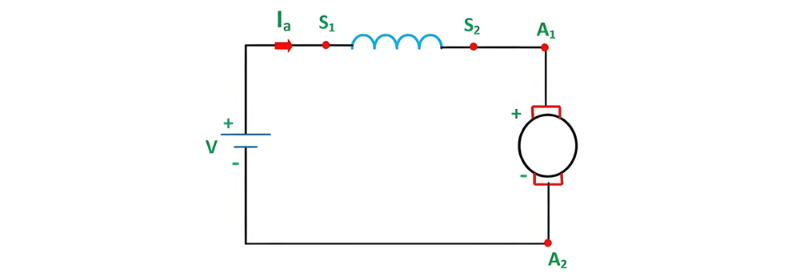
For dynamic braking of a series motor, the motor is first disconnected from the supply. A variable braking resistor Rb (as illustrated below) is then connected in series with the armature, and the field winding connections are reversed.
Also,
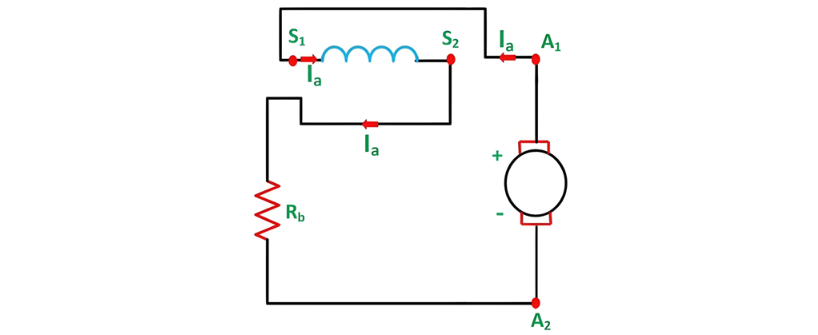
Series Motor Self-Excitation in Dynamic Braking
Field connections are reversed to ensure field winding current flows in the original direction (e.g., from S1 to S2), allowing back EMF to maintain residual flux. The machine then functions as a self-excited series generator.
Self-excitation yields slower braking; thus, for rapid braking, the machine is operated in self-excitation mode with a series field resistance to limit current safely.
Dynamic (rheostatic) braking is inefficient: all generated energy dissipates as heat in the resistors.

 Login