• Product
  • Suppliers
  • Manufacturers
  • Solutions
  • Free tools
  • Knowledges
  • Experts
  • Communities
Search


Ground Fault kontra Earth Fault: Pagkamaong sa mga Diferensya ug mga Pamaagi sa Proteksyon

Edwiin
Larangan: Switch sa kuryente
China

Ano ang Ground Fault ug Earth Fault?

Ground Fault:

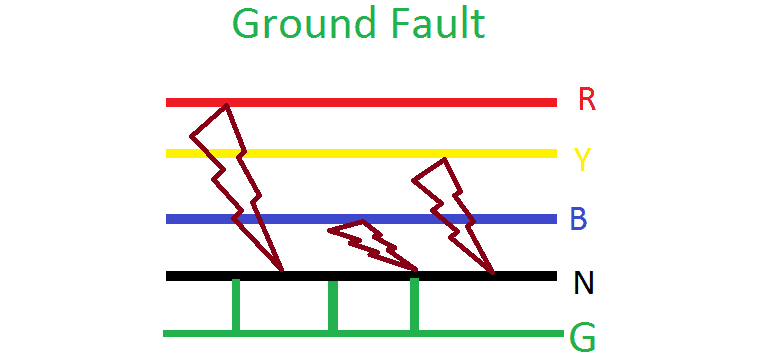
Ang ground fault mao ang pag-oc sa dili gitumong koneksyon (fault) tali asa live conductor ug ang yuta o neutral point. Sa sulod niining fault, ang kuryente magsugad nga magflow direkta sa yuta. Kini mahimong makita sa uban pang mga porma sama sa single line-to-ground fault (L-G), double line-to-ground fault (LL-G), o three line-to-ground fault (LLL-G).

Ang ground faults labi na severe tungod kay mahimong magresulta kini og dako nga magnitudo sa fault current. Kon wala ma-clear sa higayon nga gisulayan, kini nga mataas nga kuryente mahimong magpadako sa damage sa power system equipment sama sa transformers, cables, ug switchgear. Tungod niini, ang rapid detection ug isolation sa ground faults labi na importante alang sa system protection ug safety.
Note:

Ang ground point kinahanglan nga maayo nga gikonektado sa source ug effectively grounded. Padulong, kon ang live conductor mohitabo sa yuta (e.g., mauli sa yuta), mahimo kini og dili gitumong path sa yuta. Kini nga kondisyon kasagaran gigamit isip earth fault—usa ka tipo sa open-circuit o leakage fault diin ang kuryente nagflow gikan sa conductor ngadto sa yuta.

Daghan nga Mga Pwersa sa Ground Faults:

  • Insulation failure: Degradation o loss sa dielectric properties sa insulation tungod sa aging, overheating, o contamination.

  • Physical damage sa underground cables: Mechanical damage sa panahon sa excavation o construction, o water ingress sa cable trenches, nagresulta sa insulation breakdown.

  • Cable overload: Excessive current nagresulta sa overheating, mahimong melt o sever ang conductor, paghatag og oportunidad nga mohitabo sa yuta.

  • Natural disturbances:

    • Trees falling onto power lines.

    • Water accumulation o flow over insulators, causing flashover.

    • Animals o birds simultaneously touching a live conductor and a grounded structure, creating a conductive path.

Protection Against Ground Faults:

Arangkada protektahan ang power system, ang protective relays gamiton aron matodlok ang abnormal conditions ug pag-initiate sa tripping sa associated circuit breaker.

Instrument transformers—such as Current Transformers (CTs) and Potential Transformers (PTs)—gamiton aron sukolihon ang system current ug voltage, respectively. Kini nga mga signals ipasa sa protective relays, nga compare ang measured values against pre-set thresholds.

Kon ang current o voltage adunay excess sa preset limit, ang relay activate, sending a trip signal to the circuit breaker to isolate the faulty section and clear the fault.

Common relays used for ground fault protection include:

  • Current-based relays:

    • Overcurrent Relay

    • Instantaneous Overcurrent Relay

    • Earth Fault Relay

  • Voltage-based relays:

    • Overvoltage Relay

    • Overfluxing Relay

Earth fault:

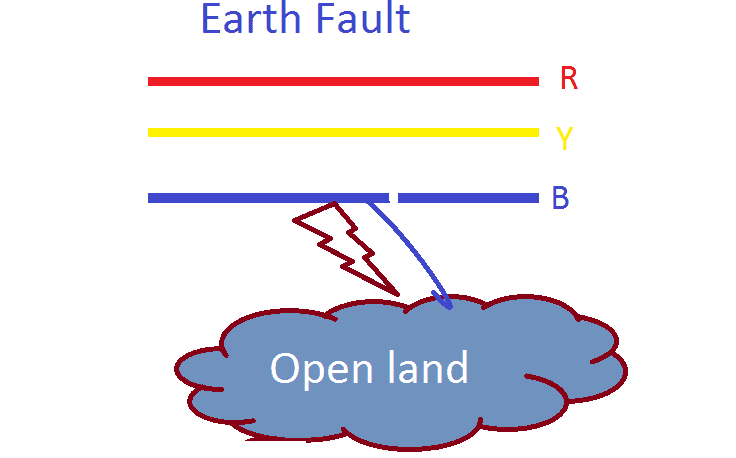
An earth fault mao usa ka tipo sa open-circuit fault nga naghimo kon ang current-carrying cable o conductor mabati ug mohitabo sa yuta o sa conductive material nga ania sa yuta. Sa sulod niining scenario, sa radial power flow conditions, ang load end sa system mabati sa source.
Maghatag og tip ug pagsalig sa author

Gipareserbado

Asa kini ang usa ka Transformer Core Nangangailangan I-ground sa Tungod nga Punto Lamang? Usa ra ba ang Mas Handuraw ang Multi-Point Grounding?
Asa karon ang Core sa Transformer Nangangailangan Moground?Sa panahon sa operasyon, ang core sa transformer, sama sa metal nga estruktura, bahin, ug komponente nga naghulagway sa core ug windings, tanan nahimutang sa matigas nga elektrisidad. Sa impluwensya niining elektrisidad, sila magkuha og relatyibong mataas nga potensyal labi na sa ground. Kon ang core wala moground, adunay potential difference kay sa pagitan sa core ug grounded clamping structures ug tank, mahimong makaresulta og intermit
01/29/2026
Pagkabana sa Transformer Neutral Grounding
I. Ano ang Neutral Point?Sa mga transformer ug generator, ang neutral point mao ang partikular nga punto sa winding diin ang absolute voltage tali kini nga punto ug bawg external terminal sama. Sa diagram sa ubos, ang punto O mao ang neutral point.II. Asa Nagkinahanglan ang Grounding sa Neutral Point?Ang elektrikal nga koneksyon pamaagi tali sa neutral point ug yuta sa usa ka three-phase AC power system gitawag og neutral grounding method. Kini nga grounding method direkta nakaapekto sa:Ang segu
01/29/2026
Pagkamalubag sa Voltage: Ground Fault, Open Line, o Resonance?
Ang pag-ground sa single-phase, pag-putol sa linya (open-phase), ug resonance mahimong magresulta sa imbalance sa three-phase voltage. Importante nga ma-distinguish ang mga kahimtang aron mas mapabilis ang troubleshooting.Single-Phase GroundingBagama't ang single-phase grounding nagresulta sa imbalance sa three-phase voltage, ang magnitude sa line-to-line voltage wala mogawas. Kini maklasi ngadto sa duha ka klase: metallic grounding ug non-metallic grounding. Sa metallic grounding, ang voltage s
11/08/2025
Pagsusunod ug Prinsipyo sa Pagkamol sa Sistema sa Pagsulay sa Solar nga Enerhiya
Komposisyon ug Pamaagi sa Pagtrabaho sa Photovoltaic (PV) Power Generation SystemsAng isang photovoltaic (PV) power generation system giprimahan sa PV modules, controller, inverter, baterya, ug uban pang accessories (wala nay kinahanglanon og bateria sa grid-connected systems). Batasan kung asa ang sistema makadepende sa public power grid, ang PV systems gilahin sa off-grid ug grid-connected types. Ang mga off-grid systems molihok independiente walay pagsalig sa utility grid. Gigamit sila og ene
10/09/2025
Inquiry
+86
I-klik aron i-upload ang file
Pangutana
Pangutana sa IEE-Business Application
Pangita og mga equipment gamit ang IEE-Business app asa asa ug kailan man sugad og pagkuha og solusyon pagsulay sa mga eksperto ug pagpadayon sa industriya nga pakisayran suportahan ang imong proyekto sa kuryente ug negosyo