• Product
  • Suppliers
  • Manufacturers
  • Solutions
  • Free tools
  • Knowledges
  • Experts
  • Communities
Search


Free Expert Guides on Power Systems, Circuit Design & Electrical Troubleshooting

Access free engineering resources from IEE Business—covering power design, circuit layout, equipment selection, and troubleshooting. Expert-developed guides help engineers, procurement, and project teams make better decisions. Stay ahead on smart grids, renewables, efficiency, and AI tools. Improve reliability, reduce downtime, and enhance outcomes with real-world solutions. Explore our knowledge hub today.
What types of insulation accessories are there for transformers?
Types of Transformer Insulation AccessoriesTransformer insulation accessories are key components that ensure the safe operation of transformers. They not only provide necessary insulation performance but also ensure the stability and reliability of transformers under various operating conditions. Here are some main types of transformer insulation accessories:Inner Insulation FittingsThe internal insulation accessories are located inside the transformer tank and include the following types: Bushi
11/21/2024
Consult
Tip
Consult
Tip
What are the benefits of using transformers in power transmission and distribution systems?
Benefits of Using Transformers in Power Transmission and Distribution SystemsTransformers play a crucial role in power transmission and distribution systems, offering several advantages:Voltage Transformation:Step-Up: At power plants, transformers increase the low voltage generated by generators to a high voltage suitable for long-distance transmission. This reduces energy losses during transmission because the current is lower at higher voltages, thus minimizing line losses.Step-Down: In distri
11/19/2024
Consult
Tip
Consult
Tip
What are at least five different sizes of transformers normally used by Tanesco?
Five Different Sizes of Transformers Commonly Used by TanescoTanesco (Tanzania Electric Supply Company) uses various sizes of transformers in different applications. While the specific models and sizes may vary based on project requirements and standards, the following are some commonly used transformer sizes in Tanesco's distribution and transmission networks:1. Small Distribution Transformers Capacity: 10 kVA to 50 kVA Usage: Primarily used in residential areas, small commercial buildings, and
11/19/2024
Consult
Tip
Consult
Tip
What causes high hysteresis losses in transformers at low frequencies?
The reason why hysteresis loss is higher in transformers at low frequencies is primarily due to the characteristics of the hysteresis effect itself, rather than low-frequency saturation. Here is a detailed explanation:Basic Concept of Hysteresis LossHysteresis loss is the energy loss that occurs in the transformer core due to the flipping of magnetic domains during the magnetization process. The magnitude of hysteresis loss depends on the area of the hysteresis loop, which represents the magneti
11/18/2024
Consult
Tip
Consult
Tip
How can you select the best transformer for your power system?
How to Choose the Best Transformer for Your Power SystemSelecting the best transformer is crucial for ensuring the efficient, reliable, and economical operation of your power system. Below are some key factors and steps to help you choose the right transformer for your power system:1. Determine Load Requirements Capacity (Rated Power): Choose a transformer with a capacity slightly higher than your system's maximum load to allow for some margin. Voltage Levels: Determine the input and output volt
11/16/2024
Consult
Tip
Consult
Tip
What is the reason for the large and heavy size of microwave transformers?
The main reasons for the large size and heavy weight of microwave transformers include the following aspects:Frequency Characteristics:Microwave frequencies typically operate in the GHz range, much higher than the power frequency (such as 50Hz or 60Hz) used in traditional transformers. To function effectively at these high frequencies, microwave transformers require special materials and designs to reduce losses and improve efficiency. These specialized designs often lead to larger sizes.Core Ma
11/15/2024
Consult
Tip
Consult
Tip
How does an iron core decrease losses in transformers?
Methods to Reduce Core Loss in TransformersThe iron core loss in transformers mainly includes hysteresis loss and eddy current loss. Here are some effective methods to reduce these losses:1. Choose high-quality iron core materials High Permeability Materials: Using high permeability and low loss silicon steel sheets as transformer core materials can effectively reduce hysteresis loss and eddy current loss. Low Loss Material: Choose low loss silicon steel sheets with smaller grains and higher res
11/15/2024
Consult
Tip
Consult
Tip
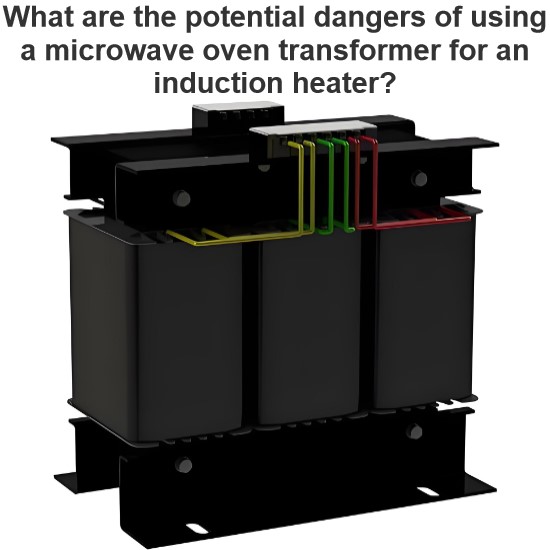
What are the potential dangers of using a microwave oven transformer for an induction heater?
Potential Dangers of Using a Microwave Oven Transformer for an Induction HeaterUsing a microwave oven transformer (Magnetron Transformer) for an induction heater poses several potential dangers. Here is a detailed explanation:1. High Voltage and High Current High Voltage: Microwave oven transformers typically output several thousand volts, far exceeding the voltage required by ordinary induction heaters. This high voltage can cause severe electric shock, posing a fatal risk to operators. High Cu
11/14/2024
Consult
Tip
Consult
Tip
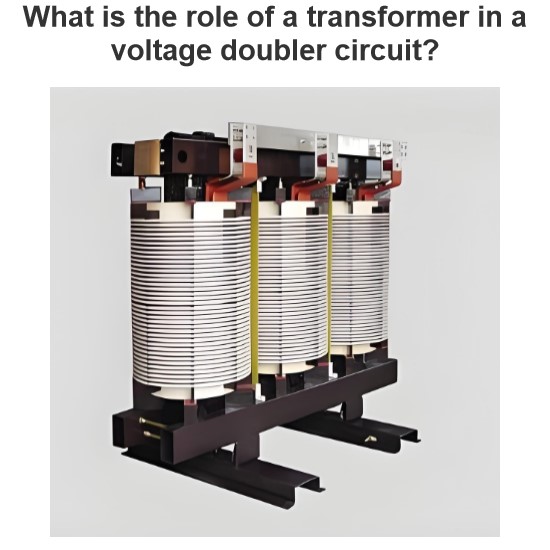
What is the role of a transformer in a voltage doubler circuit?
Role of Transformers in Voltage Multiplier CircuitsTransformers play a crucial role in voltage multiplier circuits, but they alone cannot achieve voltage multiplication. Voltage multiplier circuits typically combine transformers with rectifying elements (such as diodes and capacitors) to achieve voltage doubling or tripling. Here is an explanation of the role of transformers in voltage multiplier circuits and how using two transformers can increase the output voltage.1. Basic Role of Transformer
11/14/2024
Consult
Tip
Consult
Tip
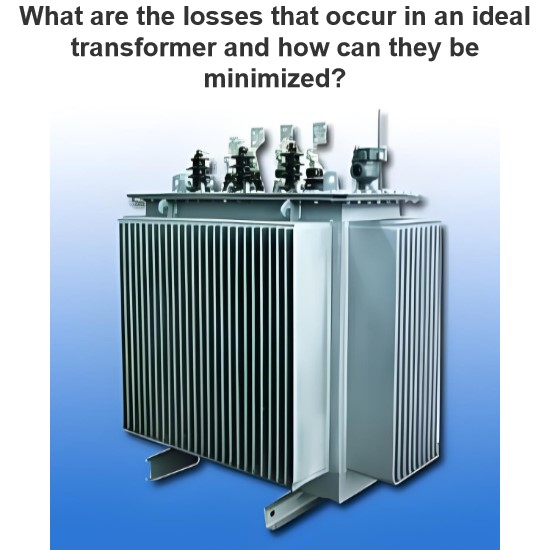
What are the losses that occur in an ideal transformer and how can they be minimized?
An ideal transformer is a theoretical model that assumes no losses. However, in practical applications, transformers always experience some losses. These losses can be primarily categorized into two types: copper losses (resistance losses) and iron losses (core losses). Below is a detailed explanation of these losses and how to minimize them:1. Copper LossesDefinitionCopper losses are the energy losses due to the resistance of the transformer windings. When current flows through the windings, th
11/12/2024
Consult
Tip
Consult
Tip
Send inquiry
+86
Click to upload file
Download
Get the IEE Business Application
Use the IEE-Business app to find equipment, obtain solutions, connect with experts, and participate in industry collaboration anytime, anywhere—fully supporting the development of your power projects and business.