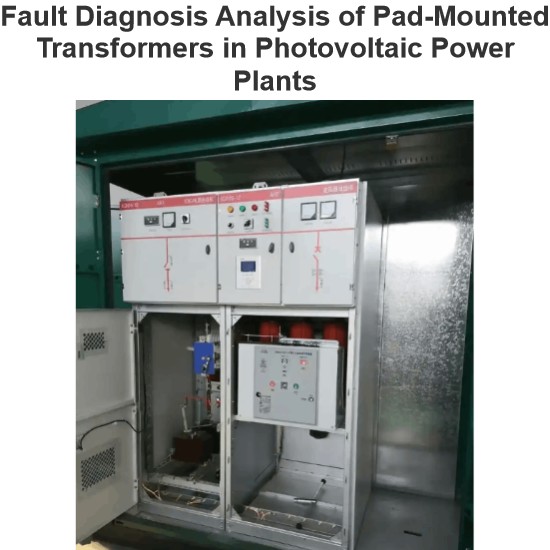
IntroductionAs the scale of photovoltaic power stations continues to expand, pad - mounted transformers, as one of the key equipment, have a profound impact on the operation of the system when they fail. This paper focuses on using advanced artificial intelligence algorithms and integrating data analysis technology to improve the accuracy and efficiency of fault diagnosis for pad - mounted transformers in photovoltaic power stations, and to build a solid technical foundation for the safe and sta
06/17/2025
Consult
Tip
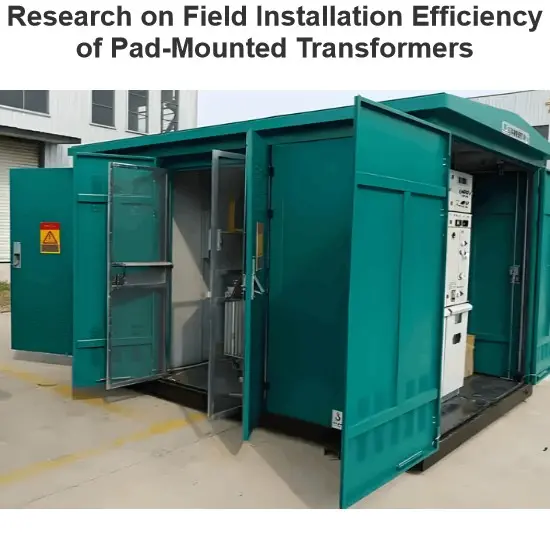
1. IntroductionTo enhance the quality of power supply services, the power system continuously promotes the reform and upgrading of transformers. As a high - end and advanced equipment, pad - mounted transformers have been increasingly applied in the power system in recent years. Especially in regions like Mexico for projects with a voltage level of 23kV, they play a significant role due to their unique advantages. However, the relatively long installation and construction time has, to a certain
06/16/2025
Consult
Tip
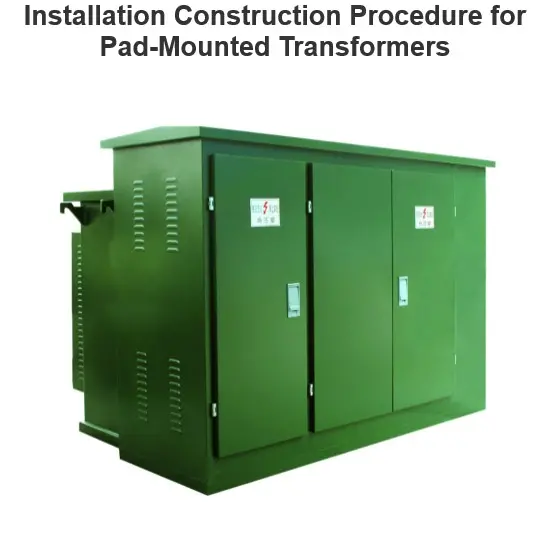
1. Scope of ApplicationThis technical specification applies to the installation of pad - mounted transformers.1.1 Construction Process1.2 Standard Construction Process Description2. Construction Preparation(1) Main Machinery and Tools Handling and Hoisting Tools: Truck crane, truck, winch, chain hoist, three - step rack, cribbing, steel wire rope, strap rope, rolling bar. Installation Tools: Bench grinder, electric welding machine, gas welding tools, electric hammer, adjustable wrench, hammer, p
06/16/2025
Consult
Tip
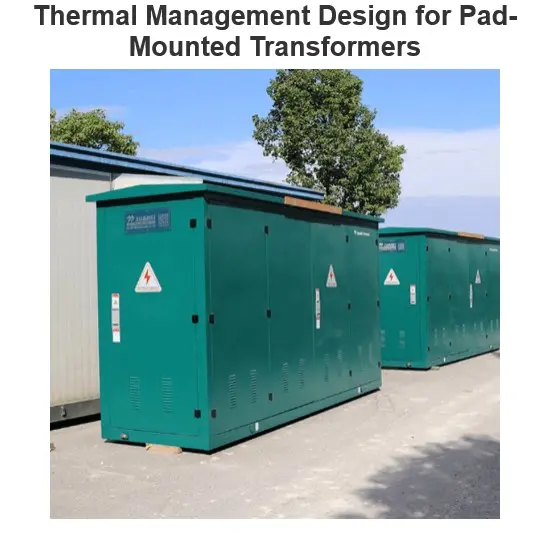
During actual operation, pad - mounted transformers face typical heat - related problems: High - temp/high - load trips: Prone to tripping under sustained high - temperature, high - load conditions. Fan & thermostat failures: Long - term fan use causes malfunctions, damaging thermostats and blocking hot - air discharge, disrupting operation. Poor fan placement: Mounting fans on the cabinet top forces power - off maintenance/ replacement; this layout also traps heat, raising indoor temps to s
06/16/2025
Consult
Tip
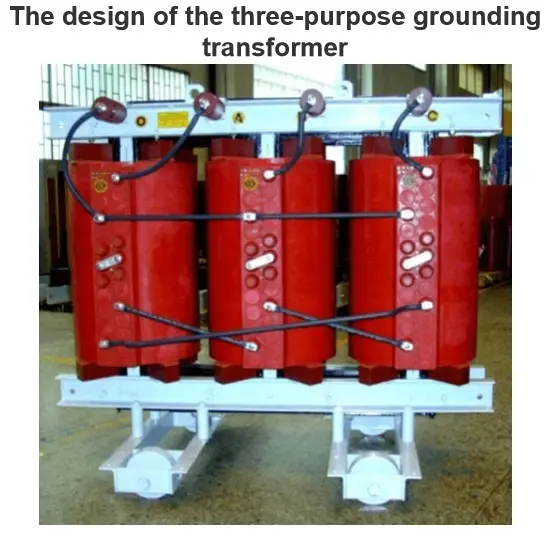
Underground Power Cable Transmission LinesDirect - buried power cable lines have large ground - distributed capacitance, causing high single - phase - to - ground short - circuit capacitive current. For 10 kV lines, if this current exceeds 10 A, arcs hardly self - extinguish, risking arc overvoltage and endangering line equipment. Arc extinction is thus necessary. With a Dyn - connected main transformer, an arc - suppression coil on the secondary neutral point suffices. For Yd - connected ones,
06/12/2025
Consult
Tip
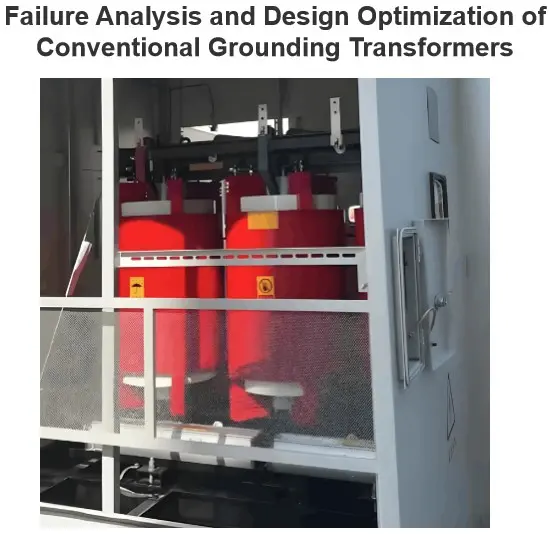
I. Core Cause of Damage: Electrodynamic Impact (Complying with GB/T 1094.5 / IEC 60076-5)The direct cause of high-voltage winding end collapse is the instantaneous electrodynamic impact induced by short-circuit current. When a single-phase grounding fault occurs in the system (such as lightning overvoltage, insulation breakdown, etc.), the grounding transformer, as the fault current path, withstands high-amplitude and steep-rise-rate short-circuit currents. According to Ampère's force
06/12/2025
Consult
Tip
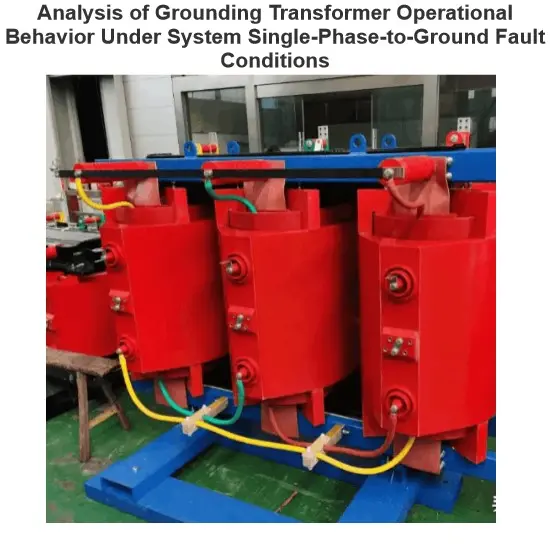
1 Theoretical AnalysisIn distribution networks, grounding transformers serve two key roles: powering low - voltage loads and connecting arc - suppression coils at neutrals for grounding protection. Grounding faults, the most common distribution network fault, heavily impact transformers’ operating characteristics, causing sharp changes in electromagnetic parameters and status.To study transformers’ dynamic behaviors under single - phase grounding faults, build this model: Ass
06/12/2025
Consult
Tip
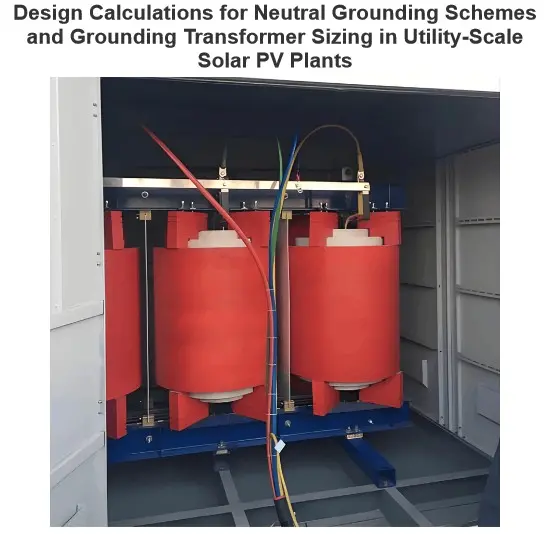
1 Classification of Neutral Grounding Methods for Solar Photovoltaic Power StationsInfluenced by differences in voltage levels and grid structures across regions, the neutral grounding methods of power systems are mainly categorized into non-effective grounding and effective grounding. Non-effective grounding includes neutral grounding via arc suppression coils and neutral ungrounded systems, while effective grounding comprises neutral solid grounding and neutral grounding via resistors. The sel
06/12/2025
Consult
Tip
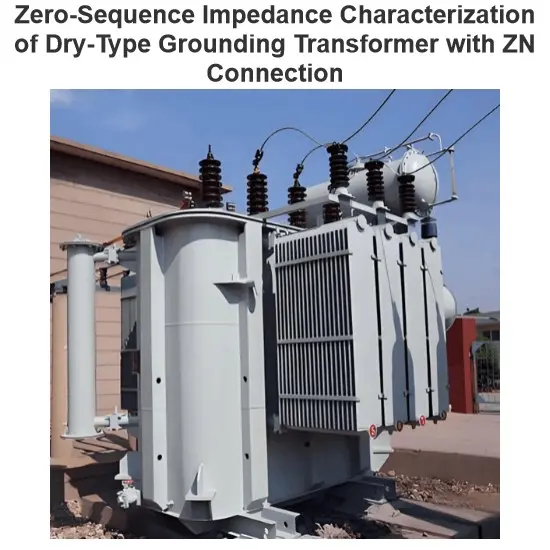
In a neutral-insulated three-phase power system, an earthing transformer provides an artificial neutral point, which can be solidly earthed or earthed via reactors/arc suppression coils. The ZNyn11 connection is typical, where zero-sequence magnetomotive forces in the inner/outer half-windings of the same core column cancel out, balancing fault currents in series windings and minimizing zero-sequence leakage flux/impedance.Zero-sequence impedance is critical: it determines fault current magnitud
06/12/2025
Consult
Tip
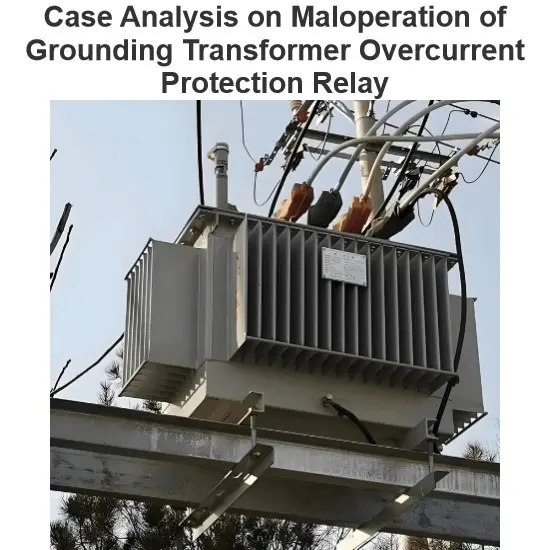
The neutral grounding mode refers to the connection between the power system neutral point and ground. In China's 35 kV and below systems, common methods include ungrounded neutral, arc-suppression coil grounding, and small-resistance grounding. The ungrounded mode is widely used as it allows short-term operation during single-phase grounding faults, while small-resistance grounding has become mainstream for its fast fault removal and overvoltage limitation. Many substations install grounding tr
06/12/2025
Consult
Tip






