• Product
  • Suppliers
  • Manufacturers
  • Solutions
  • Free tools
  • Knowledges
  • Experts
  • Communities
Search


Free Expert Guides on Power Systems, Circuit Design & Electrical Troubleshooting

Access free engineering resources from IEE Business—covering power design, circuit layout, equipment selection, and troubleshooting. Expert-developed guides help engineers, procurement, and project teams make better decisions. Stay ahead on smart grids, renewables, efficiency, and AI tools. Improve reliability, reduce downtime, and enhance outcomes with real-world solutions. Explore our knowledge hub today.
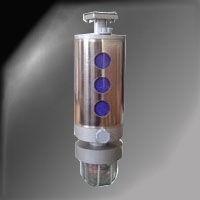
Application of Maintenance-Free Transformer Breathers in Substations
Currently, traditional-type breathers are widely used in transformers. The moisture-absorbing capability of silica gel is still judged by operation and maintenance personnel through visual observation of the color change of silica gel beads. Subjective judgment by personnel plays a decisive role. Although it has been clearly stipulated that silica gel in transformer breathers should be replaced when more than two-thirds of it changes color, there is still no accurate quantitative method to deter
11/18/2025
Consult
Tip
Consult
Tip
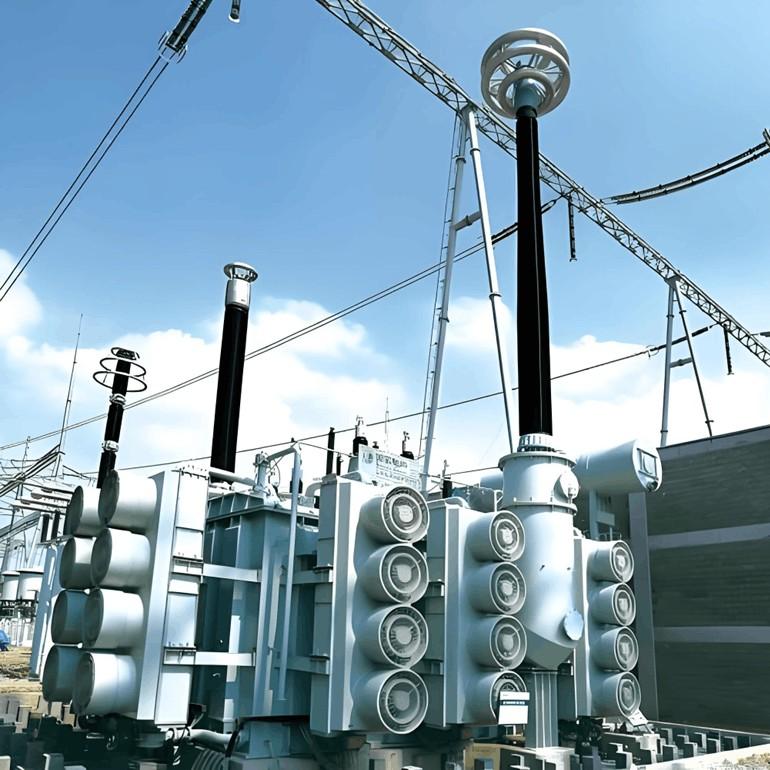
UHV Transformer Production: Slow, Precise, Essential
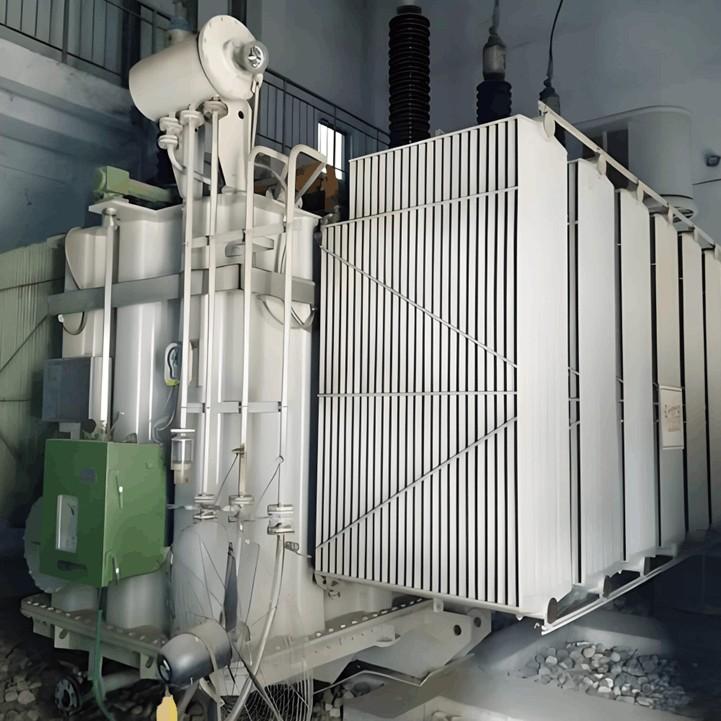
1. Overview Ultra-high-voltage (UHV) transformers are core equipment in modern power systems. Understanding their voltage ratings, complex structure, precision manufacturing processes, and critical production techniques reveals why they represent the pinnacle of a nation’s power equipment manufacturing capability. Voltage Level DefinitionThe term "ultra-high-voltage transformer" typically refers to transformers used in AC transmission lines rated at 1,000 kV or higher, or DC transmission lines r
11/11/2025
Consult
Tip
Consult
Tip
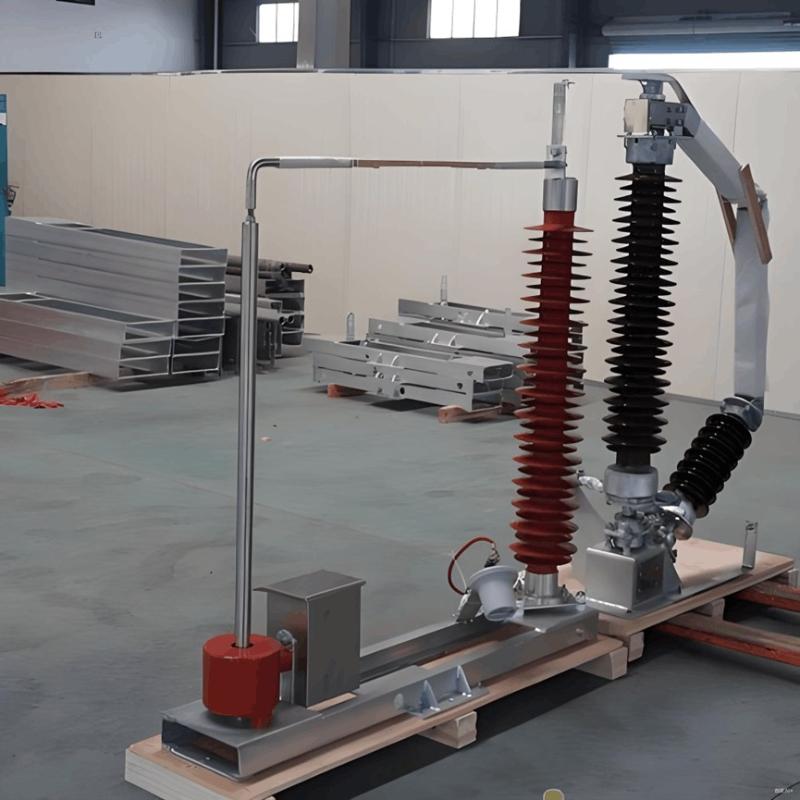
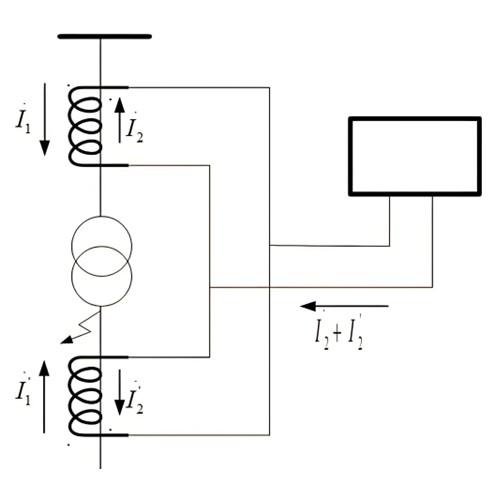
What is the function of a transformer neutral grounding disconnector?
Transformer Neutral Grounding Disconnector: Function, Principle, Structure, Operation, and MaintenanceA transformer neutral grounding disconnector is an electrical device used to isolate the neutral point of a power transformer. Its primary purpose is to protect both the transformer and the overall power system, ensuring safe and stable operation.I. Functions of the Transformer Neutral Grounding DisconnectorTransformer ProtectionOne of the key roles of the neutral grounding disconnector is to sa
11/10/2025
Consult
Tip
Consult
Tip
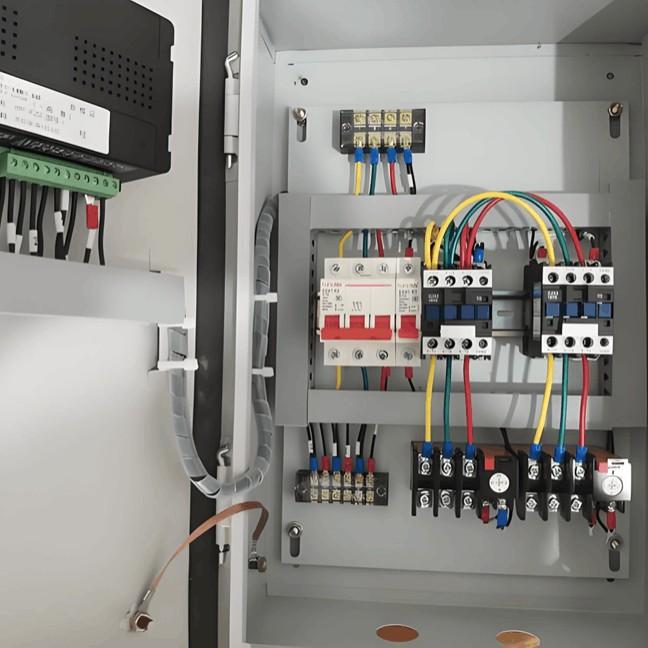
What caused the transformer in the pump control panel to burn out?
A sewage pump control panel suddenly suffered a catastrophic failure—the control transformer literally caught fire and burned to a charred mess, completely catching us off guard. With no spare parts available in the warehouse and work needing to continue, we had to think fast.From the circuit diagram, it’s clear that this pump control panel operates on a 660V AC power system, but its control circuit still uses 220V AC—essentially the same as standard distribution panels. The burnt-out transforme
11/08/2025
Consult
Tip
Consult
Tip
Toroidal vs Square Transformers: Key Differences
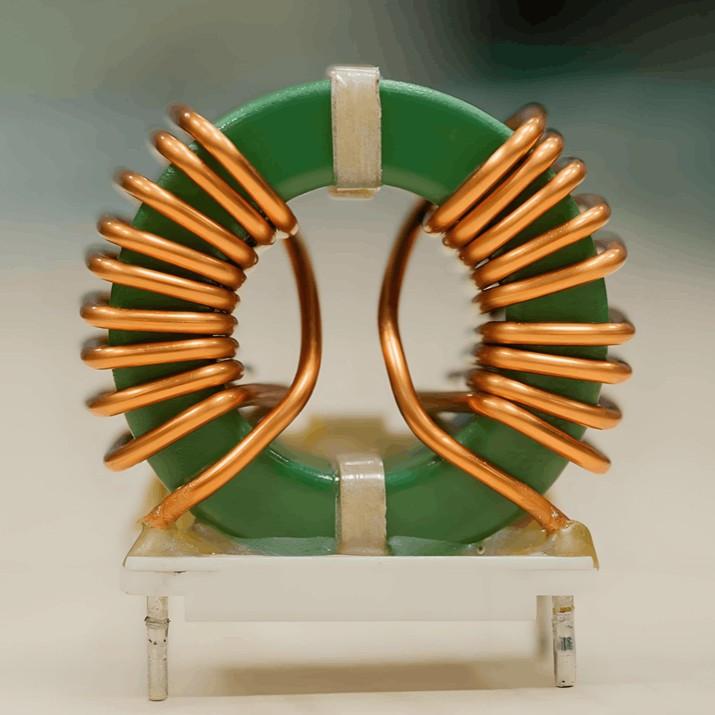
What Is a Toroidal Transformer?A toroidal transformer is a major type of electronic transformer that has been widely used in household appliances and other electronic equipment with higher technical requirements. Its primary applications are as a power transformer and an isolation transformer. Abroad, toroidal transformers are already available in complete series and are extensively used in computers, medical equipment, telecommunications, instruments, and lighting applications.In China, toroida
11/06/2025
Consult
Tip
Consult
Tip
What causes a transformer to be noisier under no-load conditions?
When a transformer is operating under no-load conditions, it often produces louder noise than under full load. The primary reason is that, with no load on the secondary winding, the primary voltage tends to be slightly higher than nominal. For example, while the rated voltage is typically 10 kV, the actual no-load voltage may reach around 10.5 kV.This elevated voltage increases the magnetic flux density (B) in the core. According to the formula:B = 45 × Et / S(where Et is the designed volts-per-
11/05/2025
Consult
Tip
Consult
Tip
Under what circumstances should an arc suppression coil be taken out of service when it is installed?
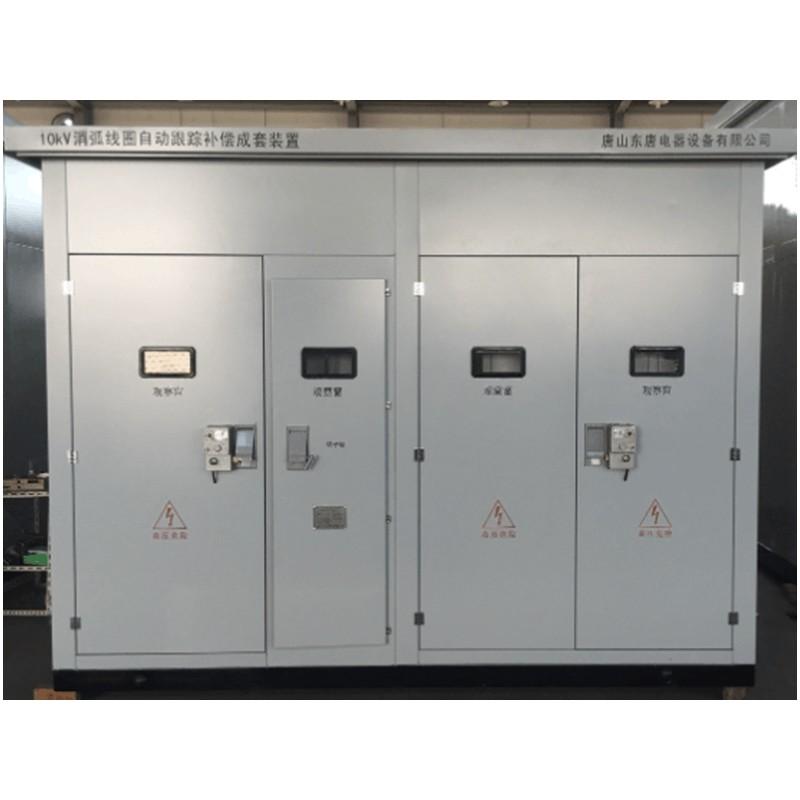
When installing an arc suppression coil, it is important to identify the conditions under which the coil should be taken out of service. The arc suppression coil should be disconnected under the following circumstances: When a transformer is being de-energized, the neutral-point disconnector must be opened first before performing any switching operations on the transformer. The energizing sequence is the reverse: the neutral-point disconnector should be closed only after the transformer is energ
11/05/2025
Consult
Tip
Consult
Tip
What fire prevention measures are available for power transformer failures?
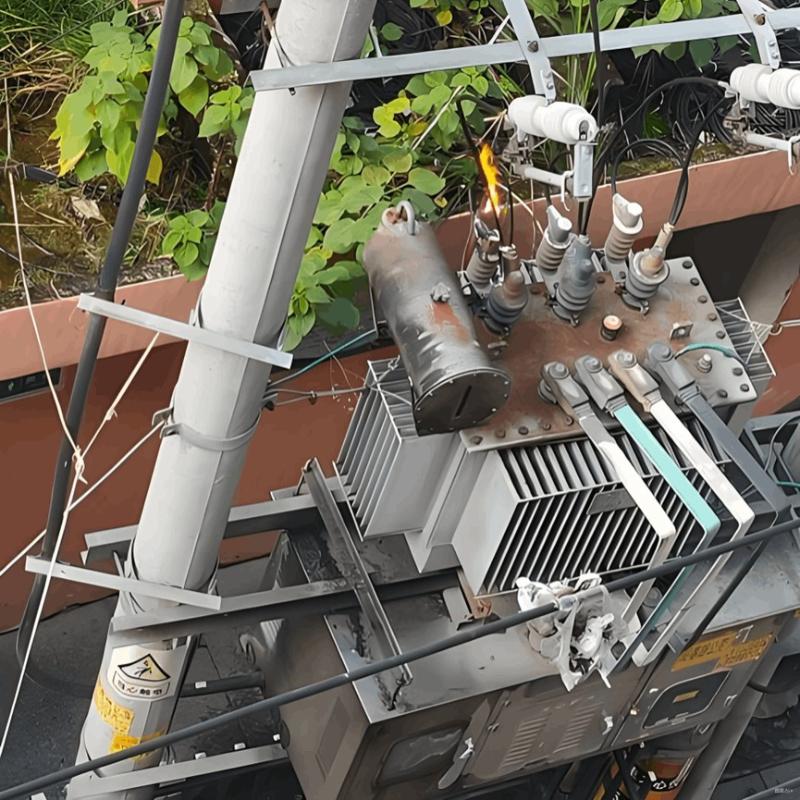
Failures in power transformers are commonly caused by severe overload operation, short circuits due to winding insulation degradation, aging of transformer oil, excessive contact resistance at connections or tap changers, failure of high- or low-voltage fuses to operate during external short circuits, core damage, internal arcing in oil, and lightning strikes.Since transformers are filled with insulating oil, fires can have severe consequences—ranging from oil spraying and ignition to, in extrem
11/05/2025
Consult
Tip
Consult
Tip
What are the common faults encountered during the operation of power transformer longitudinal differential protection?
Transformer Longitudinal Differential Protection: Common Issues and SolutionsTransformer longitudinal differential protection is the most complex among all component differential protections. Misoperations occasionally occur during operation. According to 1997 statistics from the North China Power Grid for transformers rated 220 kV and above, there were 18 incorrect operations in total, of which 5 were due to longitudinal differential protection—accounting for approximately one-third. Causes of
11/05/2025
Consult
Tip
Consult
Tip
How to Identify Internal Faults in a Transformer?
Measure DC resistance: Use a bridge to measure the DC resistance of each high- and low-voltage winding. Check whether the resistance values among phases are balanced and consistent with the manufacturer’s original data. If phase resistance cannot be measured directly, line resistance may be measured instead. The DC resistance values can indicate whether the windings are intact, whether there are short circuits or open circuits, and whether the contact resistance of the tap changer is normal. If
11/04/2025
Consult
Tip
Consult
Tip
Send inquiry
+86
Click to upload file
Download
Get the IEE Business Application
Use the IEE-Business app to find equipment, obtain solutions, connect with experts, and participate in industry collaboration anytime, anywhere—fully supporting the development of your power projects and business.