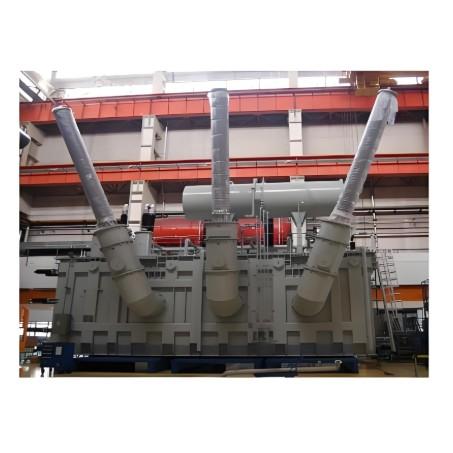
Transformer Fault Diagnosis Methods1. Ratio Method for Dissolved Gas AnalysisFor most oil-immersed power transformers, certain combustible gases are produced in the transformer tank under thermal and electrical stress. The combustible gases dissolved in oil can be used to determine the thermal decomposition characteristics of the transformer oil-paper insulation system based on their specific gas content and ratios. This technology was first used for fault diagnosis in oil-immersed transformers.
12/20/2025
Consult
Tip
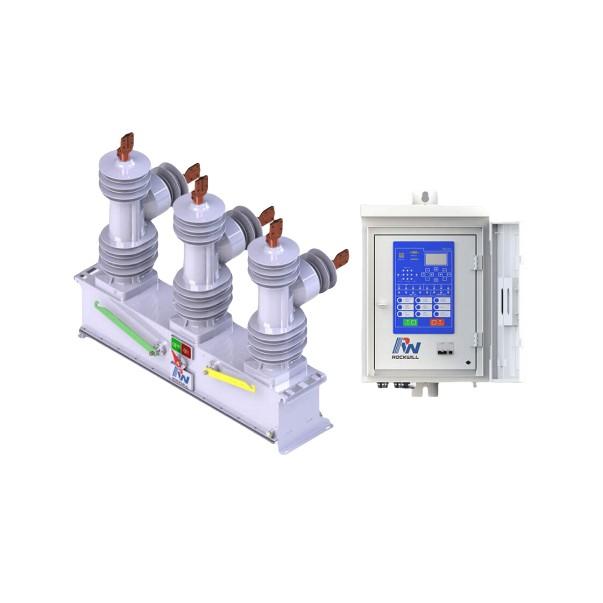
According to statistics, the vast majority of faults on overhead power lines are transient, with permanent faults accounting for less than 10%. Currently, medium-voltage (MV) distribution networks commonly employ 15 kV outdoor vacuum automatic circuit reclosers in coordination with sectionalizers. This setup enables rapid restoration of power supply after transient faults and isolates faulty line segments in the event of permanent faults. Therefore, it is essential to monitor the operational sta
12/11/2025
Consult
Tip

Measure DC resistance: Use a bridge to measure the DC resistance of each high- and low-voltage winding. Check whether the resistance values among phases are balanced and consistent with the manufacturer’s original data. If phase resistance cannot be measured directly, line resistance may be measured instead. The DC resistance values can indicate whether the windings are intact, whether there are short circuits or open circuits, and whether the contact resistance of the tap changer is normal. If
11/04/2025
Consult
Tip
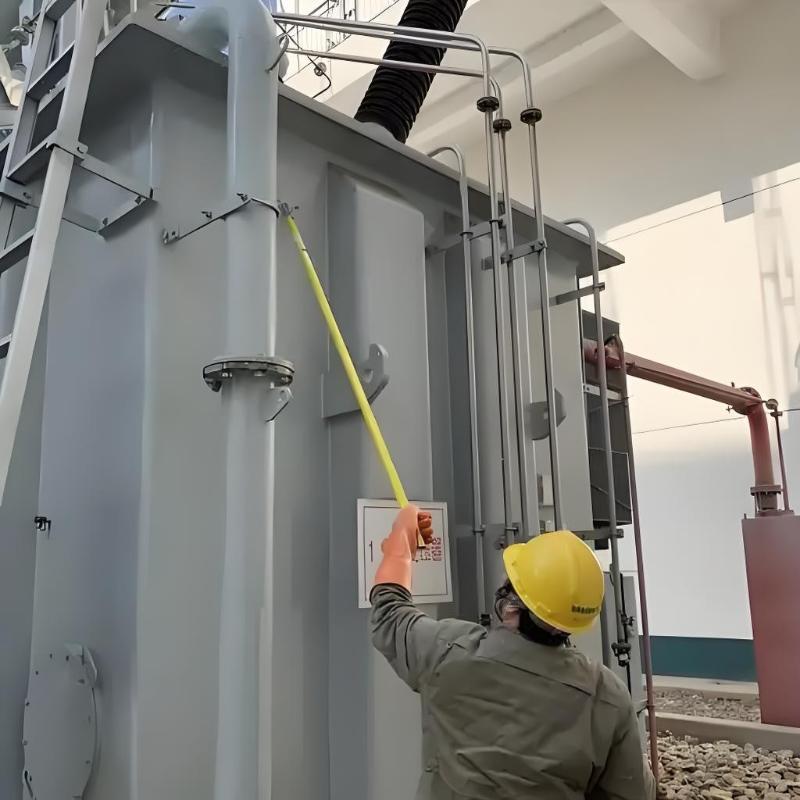
Optimized Guide to Transformer Fault Diagnosis and Advanced Testing TechniquesTransformers are core components in power systems, and their operational reliability directly impacts power supply safety. Common types include oil-immersed and dry-type transformers. Failures typically occur in the windings, core, connections, and insulation oil, with typical issues such as inter-turn short circuits, insulation aging, overheated joints, and multi-point core grounding.1. Common Fault IndicatorsImmediat
10/20/2025
Consult
Tip
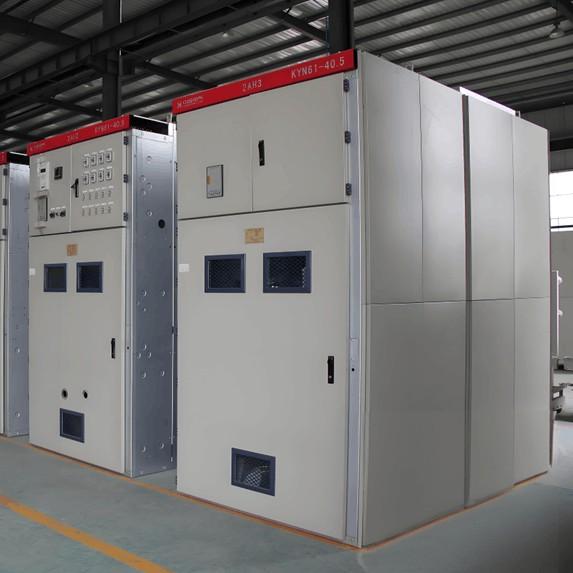
High-voltage switchgear is a critical electrical device in power systems. Deterioration in switchgear operating conditions is one of the main causes of power system failures. So, what are the common faults in high-voltage switchgear?I.Classification of High-Voltage Switchgear(1) Outdoor and Indoor TypesBased on installation location, high-voltage switchgear can be classified as outdoor or indoor types. Indoor switchgear is commonly used for systems at 10 kV and below. According to primary circui
10/10/2025
Consult
Tip
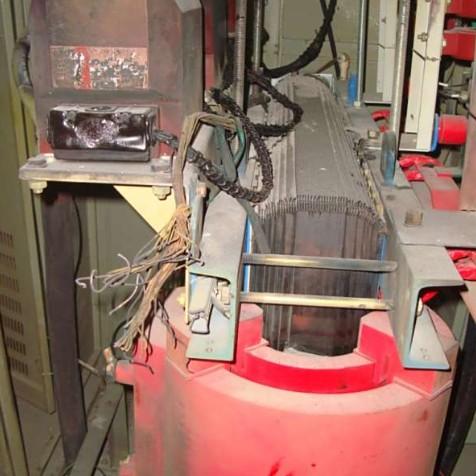
Normal operating sound of a transformer. Although a transformer is static equipment, a slight, continuous "humming" sound can be heard during operation. This sound is an inherent characteristic of operating electrical equipment, commonly known as "noise." A uniform and continuous sound is considered normal; an uneven or intermittent noise is abnormal. Tools such as a stethoscope rod can assist in determining whether the transformer's sound is normal. The causes of this noise are as follows: Vibr
10/09/2025
Consult
Tip
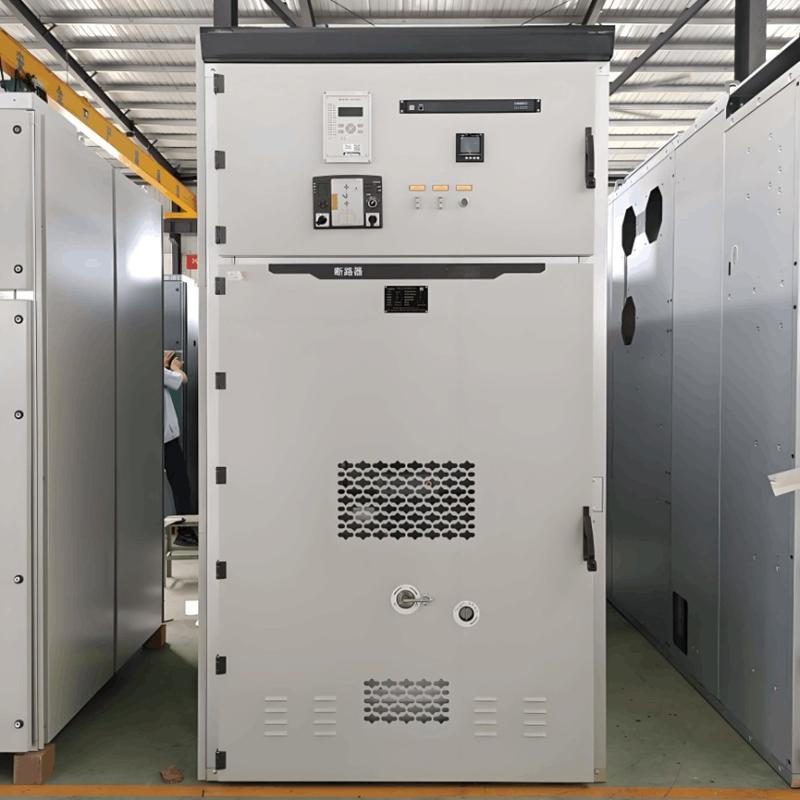
I. Common Fault Types and Diagnostic MethodsElectrical Faults Circuit Breaker Failure to Operate or Maloperation: Check the energy storage mechanism, closing/tripping coils, auxiliary switches, and secondary circuits. High-Voltage Fuse Blown: Measure voltage across the fuse terminals; inspect busbar joints, cable terminations, and protection relay settings. Busbar Discharge or Insulator Damage: Listen for discharge sounds, check temperature at busbar connections, and visually inspect insulators
09/26/2025
Consult
Tip
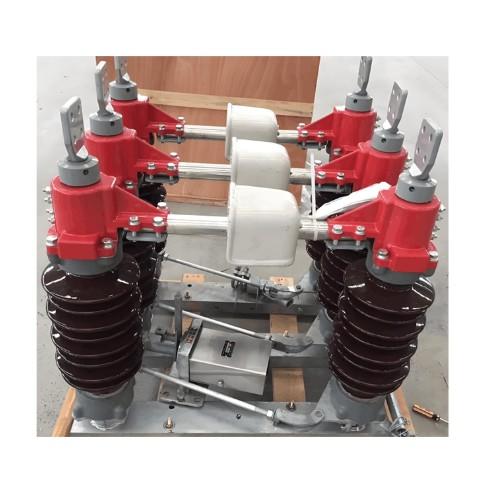
With the continuous advancement of mechanization in modern society, the demand for electrical energy in daily life has significantly increased. To ensure that power supply meets this growing demand, the power system must operate with greater stability, safety, and real-time responsiveness. This highlights the critical importance of high-voltage disconnector switch quality during manufacturing.Manufacturers must strengthen their awareness of this responsibility to ensure reliable operation of hig
09/25/2025
Consult
Tip
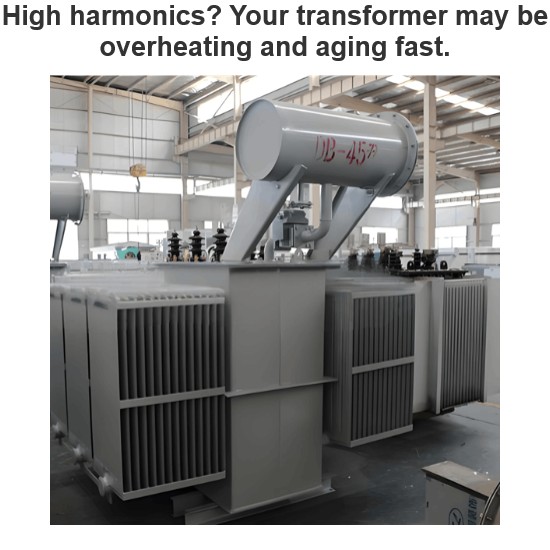
This report is based on the analysis of one-day power quality monitoring data of your company's distribution system. The data shows that there is significant three-phase current harmonic distortion in the system (with a high total harmonic distortion of current, THDi). In accordance with international standards (IEC/IEEE), harmonic currents at this level have posed substantial risks to the safe, reliable, and economical operation of the power supply transformer, mainly manifested in additional h
09/12/2025
Consult
Tip
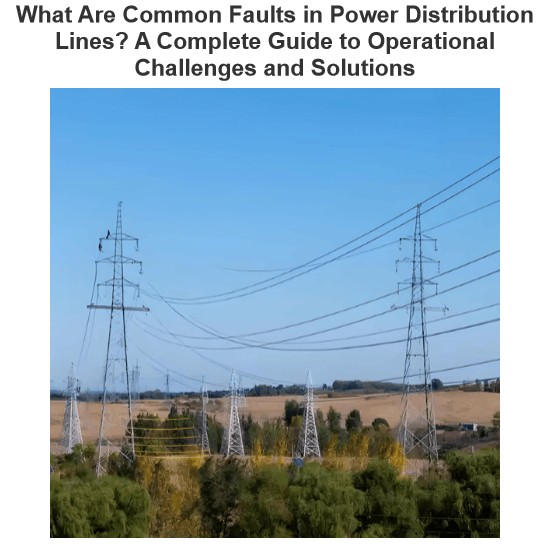
1 Overview of Power Transmission and Distribution Lines1.1 Key Characteristics of Power Transmission and Distribution Lines High Maintenance Difficulty: This is mainly due to the wide area covered by power transmission and distribution lines, the harsh terrain of the laying areas, and the impact of seasonal climate changes, all of which contribute to difficult maintenance. High Requirement for Operational Reliability: The reliable operation of power transmission and distribution lines is closely
09/06/2025
Consult
Tip






