• Product
  • Suppliers
  • Manufacturers
  • Solutions
  • Free tools
  • Knowledges
  • Experts
  • Communities
Search


Free Expert Guides on Power Systems, Circuit Design & Electrical Troubleshooting

Access free engineering resources from IEE Business—covering power design, circuit layout, equipment selection, and troubleshooting. Expert-developed guides help engineers, procurement, and project teams make better decisions. Stay ahead on smart grids, renewables, efficiency, and AI tools. Improve reliability, reduce downtime, and enhance outcomes with real-world solutions. Explore our knowledge hub today.
How can we determine if an ammeter or voltmeter is connected in series to a circuit?
How to Determine Whether an Ammeter or Voltmeter Is Connected in Series in a Circuit?Determining whether an ammeter or voltmeter is connected in series in a circuit can be done by observing the instrument's connection method and its readings. Here are specific ways to do this:How to Determine if an Ammeter Is Connected in Series?Physical Connection Direct Observation: The most straightforward method is to look at how the ammeter is connected to the circuit. An ammeter should be connected in seri
10/09/2024
Consult
Tip
Consult
Tip
Does my furnace inducer motor need oiled?
Basic Structure and Working Principle of Induction MotorThe induction motor is mainly composed of two parts: stator and rotor. The stator part includes the stator core and stator winding, etc. The stator core is a part of the motor magnetic circuit, and the stator winding is connected to AC power to generate a rotating magnetic field.The rotor part has types such as squirrel-cage rotor and wound-rotor, taking the squirrel-cage rotor as an example, it is embedded with copper bars or aluminum bars
10/09/2024
Consult
Tip
Consult
Tip
What is the purpose of grounding in electrical systems?
Grounding in electrical systems serves multiple purposes, which can be primarily summarized into the following aspects: Personal Safety Protection: Earthing prevents electrical equipment enclosures from becoming electrified due to insulation damage, thereby avoiding electric shock accidents when personnel come into contact with them. By connecting the metal parts of electrical equipment to the grounding electrode, even if the equipment's insulation fails, it ensures that current is diverted thro
10/09/2024
Consult
Tip
Consult
Tip
What is the application for a dual power supply?
Dual power supply application overviewA dual power supply system is a power supply solution that uses two independent power supplies (usually grid power) to provide power to ensure that if one power supply fails, the other power supply can immediately take over the power supply, thus guaranteeing continuous operation of the system. This design is particularly suitable for occasions where the stability of the power supply is required. The following is the specific application of the dual power sy
10/09/2024
Consult
Tip
Consult
Tip
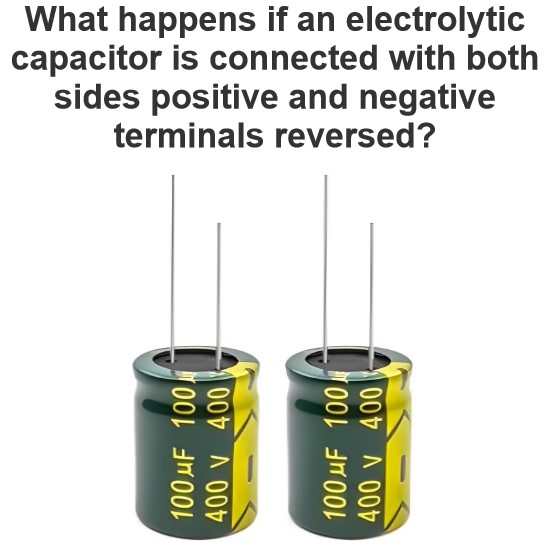
What happens if an electrolytic capacitor is connected with both sides positive and negative terminals reversed?
If the positive and negative terminals of an electrolytic capacitor are connected in reverse, i.e., reverse-biased, it can lead to a series of problems and potentially damage the capacitor. Electrolytic capacitors are polarized capacitors that contain an electrolyte. The positive terminal is typically a metal foil or a metal foil coated with an oxide layer, while the negative terminal is usually made of metal powder or carbon. The electrolyte serves to isolate the positive and negative terminals
10/08/2024
Consult
Tip
Consult
Tip
Is it possible to power multiple appliances using a single inverter?
A single inverter can be used to power multiple appliances, but the following points need to be noted: Power matching: Ensure that the rated output power of the inverter can meet the total power requirements of all appliances. If the combined power of multiple appliances exceeds the rated power of the inverter, it may cause the inverter to overload, affecting its performance or safety. Type of appliance: Inverters are usually designed to convert direct current to alternating current and are suit
10/08/2024
Consult
Tip
Consult
Tip
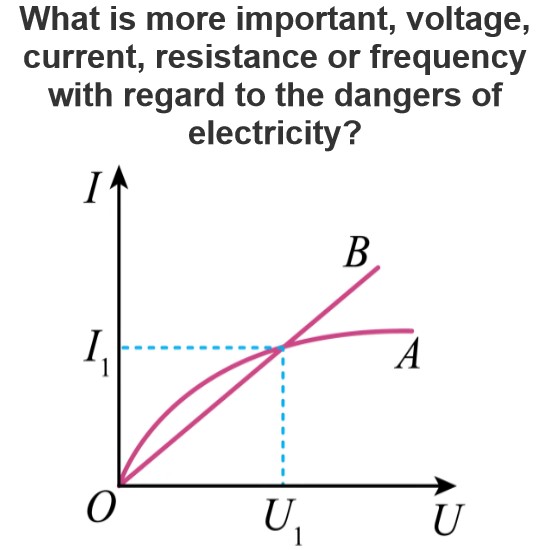
What is more important, voltage, current, resistance or frequency with regard to the dangers of electricity?
When assessing the dangers associated with electricity, voltage, current, resistance, and frequency are all important factors, but their significance depends on the specific context. Understanding the role of each parameter in electrical hazards can help better comprehend potential risks. Below is a discussion of the importance of these factors:Voltage (Voltage) Definition: Voltage is the force that drives current through a circuit. Importance: Higher voltage means there is more energy available
10/08/2024
Consult
Tip
Consult
Tip
Is it possible to connect two polarized capacitors together?
Connecting two polarized capacitors (typically electrolytic capacitors) together requires careful attention to their polarity to ensure they operate correctly and avoid damage. Polarized capacitors have distinct positive and negative terminals, and incorrect connections can lead to damage or even explosions. Here are some guidelines on how to properly connect polarized capacitors:Parallel Connection (Parallel Connection)If you want to connect two polarized capacitors in parallel to increase the
10/08/2024
Consult
Tip
Consult
Tip
Can capacitors with different voltage ratings be used in parallel?
Capacitors of different voltage levels can be used in parallel under certain conditions, but some key factors need to be noted to ensure safe and efficient operation. Here are some details about parallel capacitors with different voltage levels:Parallel possibility Voltage matching: First, the rated voltage of the capacitor should be lower than or equal to the rated voltage of the circuit, especially the direct current container. If the voltage difference is too large, it may cause the capacitor
10/08/2024
Consult
Tip
Consult
Tip
Do all transformers use oil for cooling? If not, what are some alternatives?
Not all transformers use oil cooling. In fact, the cooling method for transformers depends on their type, size, installation location, and specific application requirements. Besides oil cooling, there are several alternative cooling methods available. Below are some common transformer cooling methods:Dry-Type Transformers (Dry-Type Transformers)Natural Cooling Features: Dry-type transformers typically use air as the cooling medium without any liquid. Application: Suitable for indoor installation
10/08/2024
Consult
Tip
Consult
Tip
Send inquiry
+86
Click to upload file
Download
Get the IEE Business Application
Use the IEE-Business app to find equipment, obtain solutions, connect with experts, and participate in industry collaboration anytime, anywhere—fully supporting the development of your power projects and business.