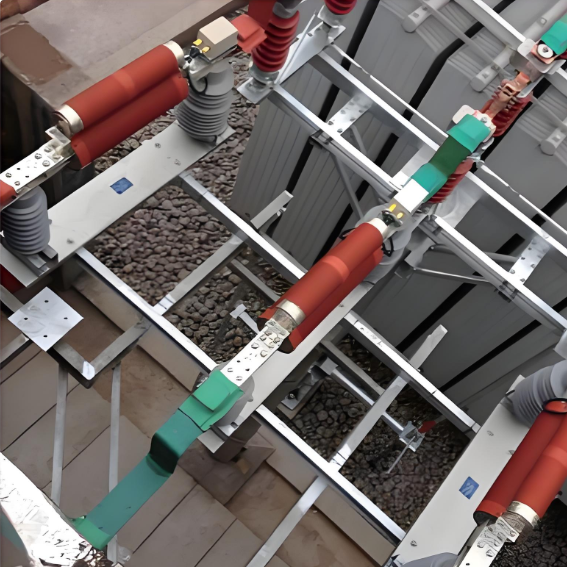
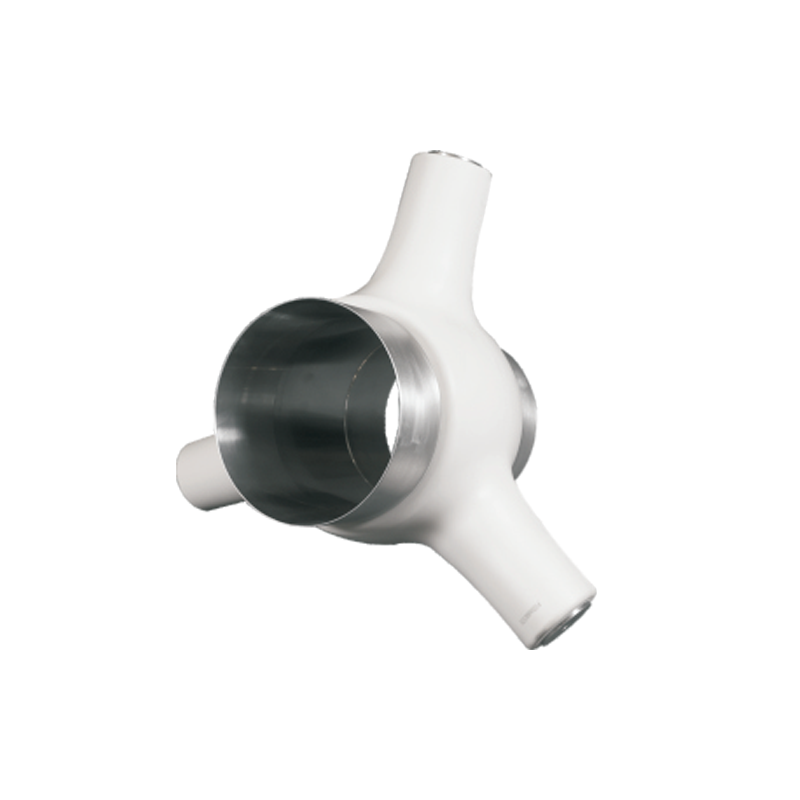
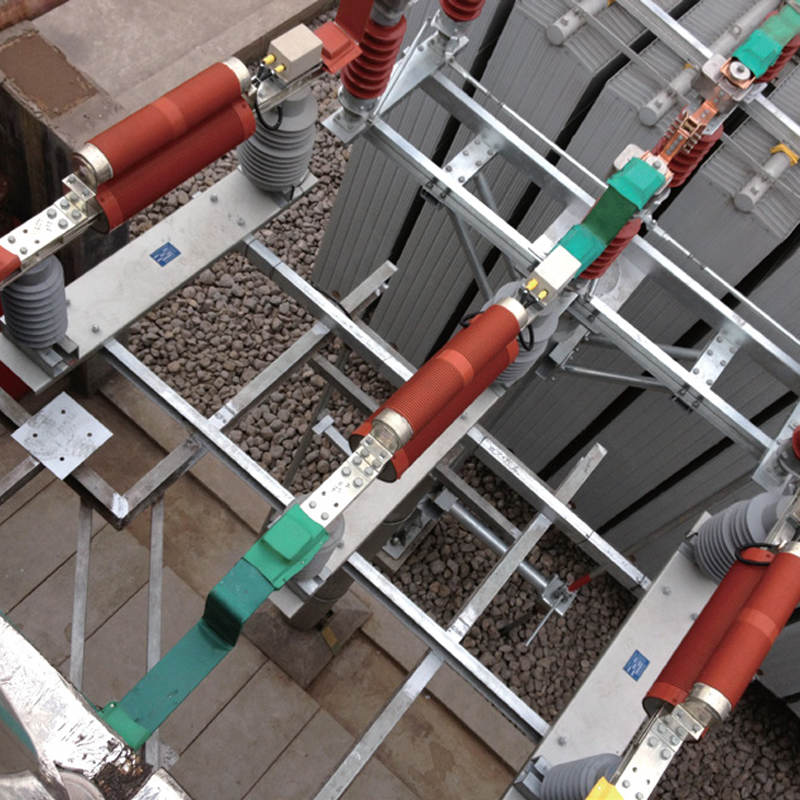
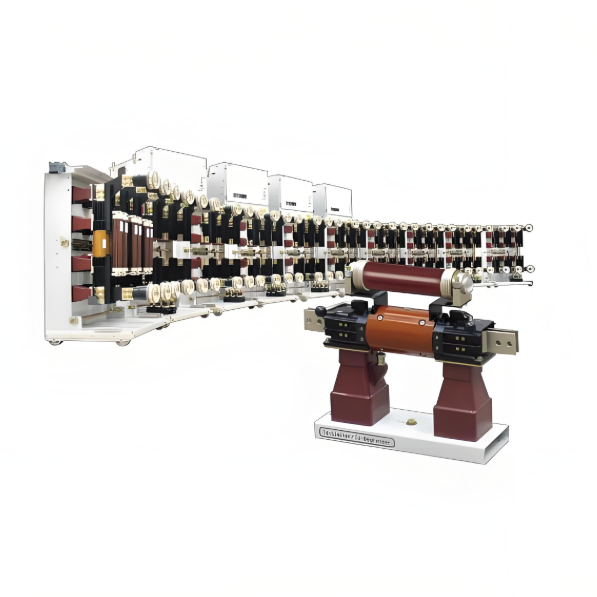
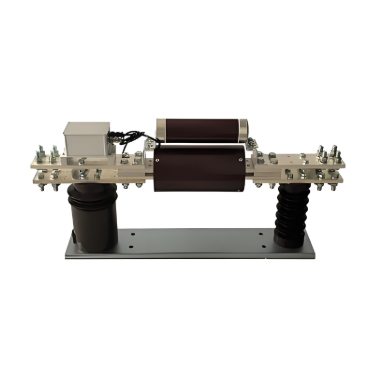
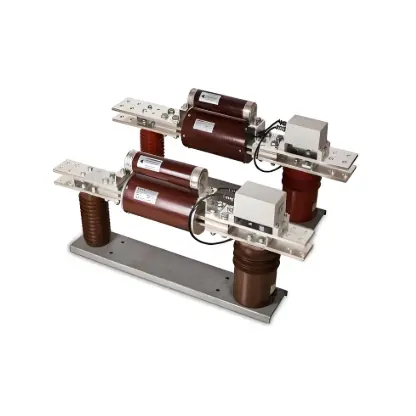
This ROCKWILL Comprehensive Technical Comparison in the Fault Current Limiter Industry systematically evaluates four mainstream fault current limiting technologies from working principle, response speed, normal-state loss, current limiting performance, reliability, footprint, maintenance requirement and total life cycle cost. Superconducting FCL (SFCL) features near-zero impedance and zero loss in normal operation, self-triggered quenching and ultra-fast limiting response, but requires cryogenic cooling and high capital cost. Solid-state FCL (SSFCL) adopts power electronic switches with microsecond-level response and flexible control logic, while it needs external fault detection and suffers from power device derating under high voltage. Saturable-core FCL has stable electromagnetic characteristics and good repeatability, yet with relatively large dimension and weight. Traditional current-limiting reactor is low-cost and highly reliable, but brings continuous power loss and voltage drop under normal load. All compared technologies comply with IEC 62271 and IEEE C37 series standards. Relevant qualification documents include Type Test Certificate No. TT-2025-04252, Witness Test Report No. WT-2025-09185, Routine Factory Test Report No. FT-2025 series, Raw Material Mill Certificates, all issued by CNAS accredited independent test laboratory and available for tender submission, utility review and project site acceptance. This comparison document balances technical performance and engineering practicability to guide rational FCL type selection for different power grid scenarios.

 Login