Winning utility tenders and renewable energy EPC contracts requires more than competitive equipment pricing. Every regional power grid enforces strict local technical codes, environmental resilience thresholds, and utility approval protocols. This 2026 regional engineering guide details how Rockwill adapts its 11 kV to 252 kV prefabricated substations, E-houses, and step-up transformers to meet local grid standards across four high-growth global markets: the Middle East (GCC), Francophone Africa, Southeast Asia, and Latin America.
Disclaimer: Specific utility approvals are project-based; compliance statements in this guide refer to design alignment with referenced standards and typical project experience, not blanket type acceptance.
Middle East (GCC): High-Ambient Desert Engineering & Utility Code Alignment
Grid Standards and Environmental Requirements
Utilities across Saudi Arabia, the UAE, Oman, and Qatar—including SEC, DEWA, ADDC, and Kahramaa—enforce stringent thermal and dust-ingress specifications. Standard IEC ambient ratings (+40°C) are often insufficient for Gulf deployments.
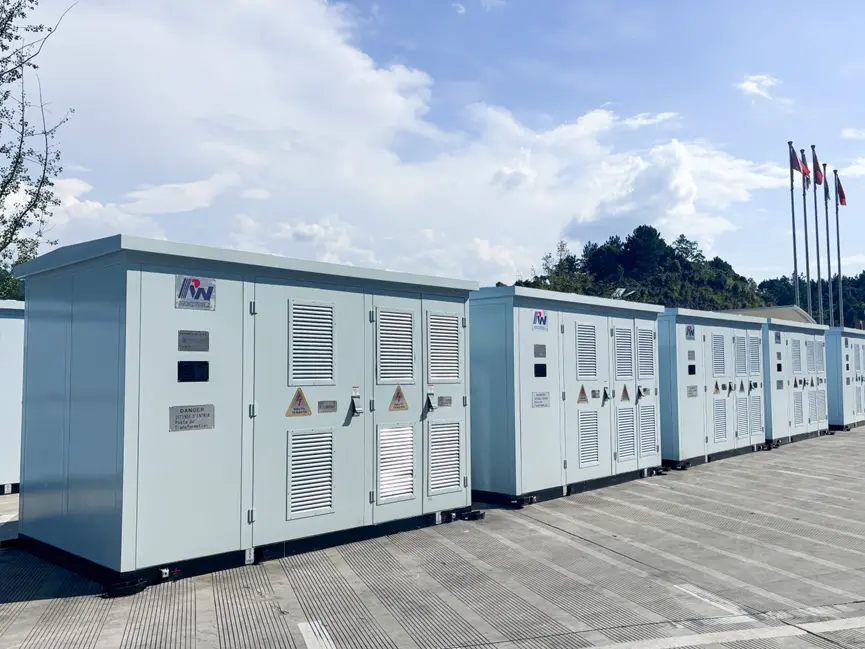
- Thermal Derating and Cooling: Equipment is engineered to operate continuously at +50°C to +55°C ambient temperatures under high solar radiation. Rockwill applies thermal-derating margins through double-skin insulated enclosures with solar-reflective roofing, enlarged transformer radiator banks, and redundant industrial HVAC systems.
- Dust and Coastal Corrosion Protection: Substations are built to IP55 or IP65 ingress protection with fine-sand labyrinth breathers and C5-M marine-grade anti-corrosion coatings for coastal desalination, oil & gas, and port infrastructure.
- Secondary and Cyber Compliance: Integration of IEC 61850 digital substation protocols, arc-flash protection relays, and compatibility with Tier-1 protection platforms (including Siemens SIPROTEC, SEL, and Schneider Easergy) to support GCC grid-code protection requirements.
Regional Field Application
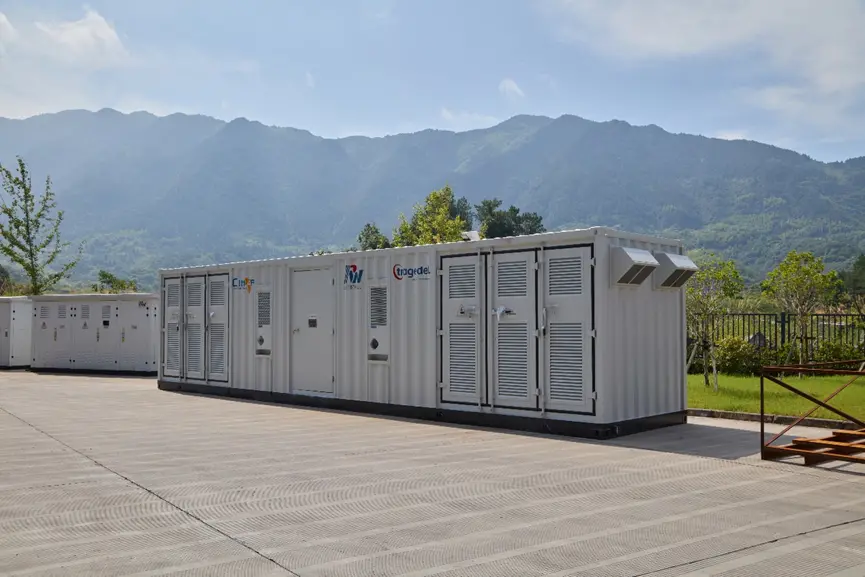
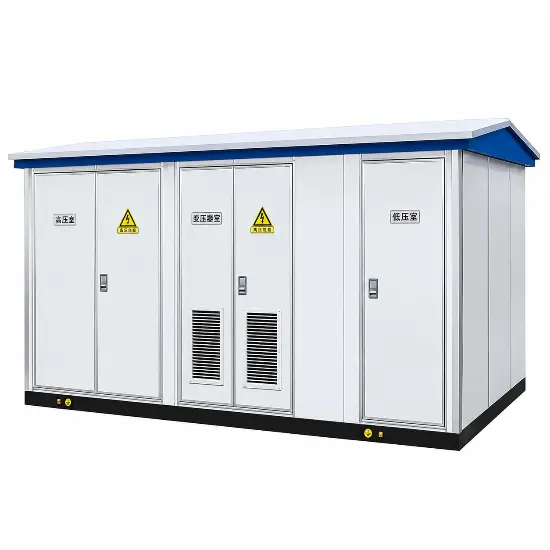
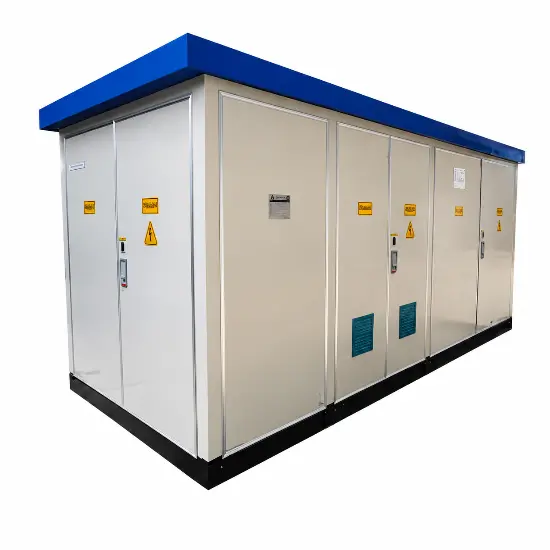
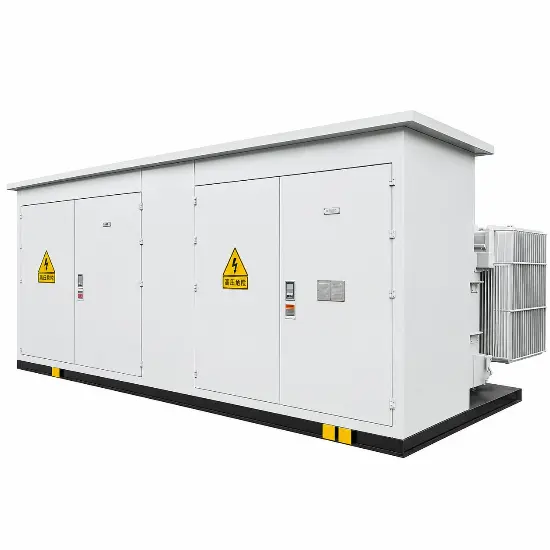
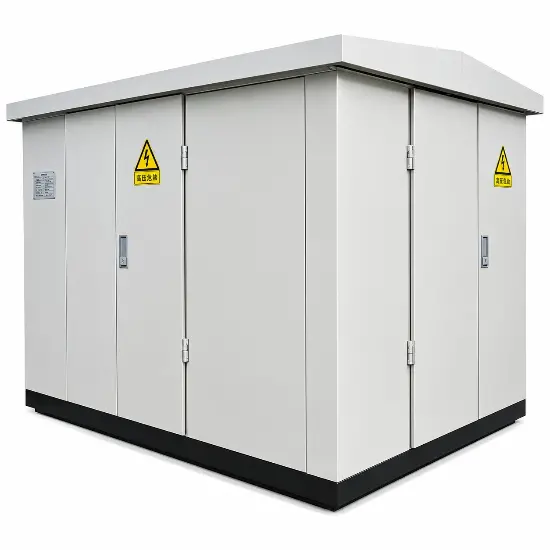
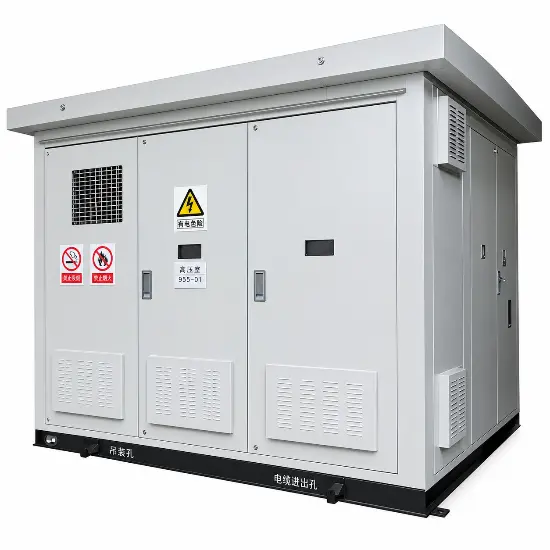
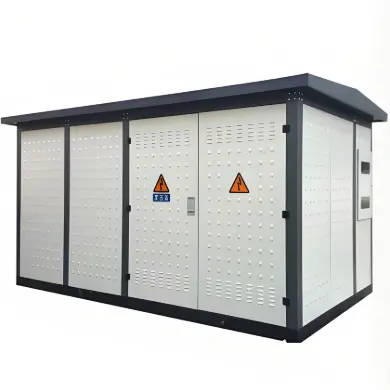
In Middle Eastern utility-scale solar PV and industrial grid-connection projects, Rockwill delivers containerized 33 kV and 132 kV/145 kV E-houses and desert-rated compact substations. By pre-wiring protection panels and performing full Factory Acceptance Testing (FAT) prior to shipment, EPC contractors can avoid extreme summer site-construction delays and typically reduce on-site commissioning windows by 40–60%, depending on project scope and site conditions.
Francophone West & Central Africa: NF C52-112 / NF C13-200 Compliance & Extreme Climate Resilience
Grid Standards and Environmental Requirements
Power utilities in Niger (NIGELEC), Mauritania (SOMELEC), Senegal (SENELEC), Côte d’Ivoire (CIE), and Mali follow French-derived electrical standards alongside IEC norms. Standard Anglo-Saxon switchgear layouts may not align with local utility inspection during tender evaluation.
- French Standard Architecture: Rockwill manufactures dedicated substations compliant with NF C52-112-1 (transformers), NF C13-200 (high-voltage consumer substations), and NF C64-400, featuring French-style operating interlocks, compartmentalized MV switchgear, and localized French-language mimic diagrams and nameplates. (Note: Standard versions are subject to confirmation of current effective editions.)
- Harmattan Dust and Extreme Heat Adaptation: Sub-Saharan installations face fine Harmattan dust storms and sustained temperatures above +45°C. Rockwill utilizes sealed hermetically filled transformers, positive-pressure ventilation filters, and maintenance-free SF6 or SF6-free vacuum switchgear.
- Weak-Grid Voltage Stability: High integration compatibility with automatic step voltage regulators (SVRs) and auto-reclosers to stabilize long radial distribution feeders.
Verified Regional Track Record
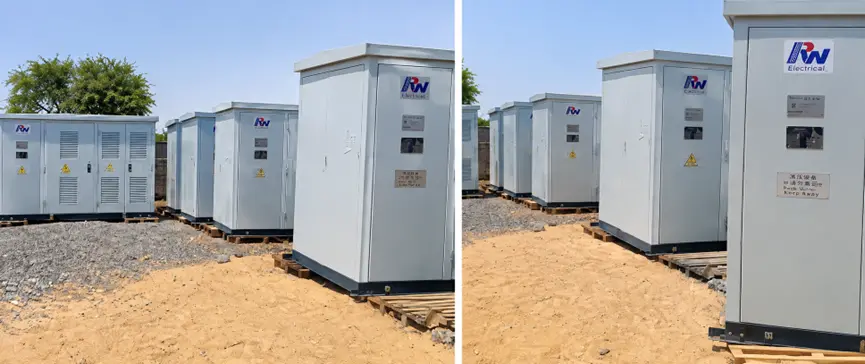
- Niger (NIGELEC): Multiple batch deployments of custom prefabricated substations across national distribution networks, with field-proven operation in +45°C desert heat and severe sandstorm conditions.
- Mauritania (SOMELEC): Delivery of heavy-duty distribution substations and MV/LV packages engineered for coastal salt-fog resistance and mining grid expansion.
Southeast Asia: Tropical Humidity, Typhoon Resistance & Grid-Code Interoperability
Grid Standards and Environmental Requirements
Rapid grid modernization across the Philippines (NGCP, Meralco), Indonesia (PLN), Vietnam (EVN), Cambodia (EDC), and Thailand (PEA/EGAT) demands high moisture resistance and rapid island-logistics deployment.
- Tropical Moisture and Salt-Fog Defense: Relative humidity routinely exceeds 90%. Rockwill equips enclosures with intelligent anti-condensation space heaters, hygrostats, stainless-steel 316L hardware options, and tropicalized epoxy-resin insulation.
- Seismic and Typhoon Structural Design: Enclosures are engineered to withstand high wind loads (typhoon zones) and seismic Zone 4 acceleration, critical for archipelago grids in the Philippines and Indonesia.
- Utility Standard Alignment: Full compliance with IEC 62271-202, PLN SPLN specifications, and NGCP grid-connection codes, supporting seamless SCADA telemetry via DNP3, IEC 60870-5-101, and IEC 61850-8-1.
Verified Regional Track Record
- Cambodia (EDC & Solar EPCs): Extensive deployment of 22 kV/24 kV compact substations and smart pole-mounted reclosers supporting urban distribution upgrades and utility-scale solar farms.
- Philippines & Indonesia: Supply of skid-mounted solar step-up substations and industrial E-houses engineered for rapid crane installation on remote island sites where heavy civil concrete works are logistically prohibitive. In such applications, factory-wired containerized substations can reduce on-site civil works by up to 70% and cut field commissioning to approximately two weeks, depending on site conditions.
Latin America: Dual IEC/ANSI Standards, High Altitude & Mining Microgrids
Grid Standards and Environmental Requirements
Latin American markets—spanning Brazil (ANEEL/ABNT), Chile, Peru, Colombia (RETIE), and Mexico (CFE)—operate diverse dual-standard grids blending IEC and IEEE/ANSI practices.
- Dual IEC and IEEE/ANSI Capability: Rockwill configures substations with dead-front elbow connectors, pad-mounted transformer interfaces (IEEE C57.12.34), or standard IEC metal-enclosed switchgear depending on country-specific utility codes.
- High-Altitude Engineering (Andean Region): Mining and solar projects in Chile, Peru, and Bolivia frequently sit at 3,000 to 4,800 meters above sea level. Rockwill applies air-density insulation correction factors per IEC 60694, enlarged creepage distances, and enhanced cooling systems to prevent corona discharge and overheating at high elevation. Equipment is designed and type-tested to altitude-correction methodology for sites up to 4,800 m.
- Certification Alignment: Product designs support regional compliance pathways including RETIE (Colombia), ABNT NBR (Brazil), and SEC (Chile).
Verified Regional Track Record
- Brazil: Deployment of corrosion-resistant compact substations and distribution transformers engineered for high-humidity rainforest environments and aggressive industrial load profiles.
- Chile, Peru & Colombia: Supply of modular mining E-houses, mobile skid-mounted substations, and BESS step-up packages supporting off-grid copper/lithium mining operations and high-altitude Atacama solar plants.
Project Delivery & Quality Assurance Model
To complement product adaptation, Rockwill emphasizes a project delivery approach that reduces on-site risks:
- Factory Acceptance Testing (FAT): Full functional testing, protection relay configuration, and pre-commissioning at the factory to minimize field work.
- Packaging & Logistics: Seaworthy packaging with vibration and moisture protection for long-distance transport.
- Rapid Site Installation: Skid-mounted or containerized units allow for crane placement and minimal civil works.
- Remote Commissioning Support: Engineering support via digital tools to assist local teams during energization.
- Local Partner Network: Collaboration with regional EPCs and service agents for timely after-sales support.









 Login