I.Background and Current Issues
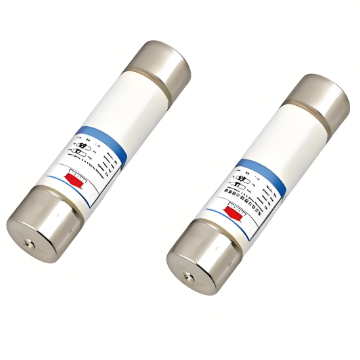
Ang solusyon niini naglakip sa paghatag og siyentipikong basehan alang sa disenyo, pagpili, ug pag-angkat sa mga electrical protection devices pinaagi sa objektibong pagkompara sa teknikal nga katangian sa mga fuses ug circuit breakers. Gitukod ang mga irreplaceable nga advantage ug application scenarios sa mga fuses sa modernong distribution systems, ngadto sa optimal nga configuration aron masiguro ang seguridad, reliability, ug cost-effectiveness.
II. Analysis of Core Advantages of Fuses (Compared to Circuit Breakers)
Dili ang mga fuses usa ka outdated nga produkto; sila may distinct nga advantages bahin sa mga circuit breakers sa specific nga applications:
- Excellent Selectivity: Ang pagabot sa full selective protection tali sa upstream ug downstream fuses kasagaran straightforward—kay gikinahanglan lang ang pagpadayon sa 1.6:1 overcurrent selectivity ratio nga gi-specify sa national/IEC standards (i.e., ang rated current sa upstream fuse link ≥ 1.6 times sa downstream fuse). Kini nga katangian makapukaw sa mga fuses isip highly advantageous sa pagprotekta sa intermediate distribution branches, nga mag-enable sa precise fault isolation ug pagminimize sa scope sa power outages.
- Strong Current-Limiting and Breaking Capacity: Ang mga fuses molihok kaayo rapido bahin sa short-circuit faults, nga efektibo nga limitahan ang peak current ug energy sa short-circuit currents. Ang ilang breaking capacity kasagaran mataas (kasagaran gibabaw sa 100 kA), nga sigurado nga interrumpton sa uban pang short-circuit faults ug proteksyon sa circuits ug equipment.
- Cost-Effectiveness and Compactness: Sa equivalent nga rated currents ug breaking capacities, ang mga fuses labi na economical kay sa mga circuit breakers (especially selective circuit breakers). Ang ilang compact size usab makatubag sa pag-optimize sa spatial layout sa mga distribution cabinets.
- High Reliability and Maintenance-Free Operation: Isip one-time protection devices, ang mga fuses adunay simple ug direct nga operation mechanism walay complex nga mechanical components. Sila may high reliability ug naghuyop sa risks sama sa mechanical jamming o electronic component failures nga mabuting mogamit sa mga circuit breakers.
III. Typical Application Scenarios and Solutions for Fuses
Batasan sa ilang teknikal nga katangian, ang mga fuses ideal nga solusyon alang sa sumusunod nga scenarios:
- Intermediate-Level Branch Protection:
- Scenario: Distribution branches nahimutang tali sa main switch ug end circuits sa usa ka distribution system.
- Solution: Ang paggamit sa fuses sa kini nga posisyon makapukaw sa ilang perfect nga selectivity aron mag-coordinate sa upstream selective circuit breakers o fuses, nga mag-siguro sa localized fault isolation ug pag-prevent sa unintended tripping. Kini mag-maintain sa power continuity alang sa uban pang bahin sa sistema samtang mahimong mapugos ang overall costs tungod sa economic advantages sa fuses sa large-scale applications.
- Protection of Small to Medium-Capacity Main Feeders or Radial Lines:
- Scenario: Radial lines o main feeders nga may smaller nga current capacities (e.g., below 300 A) nga extending gikan sa low-voltage distribution panels.
- Solution: Ang paggamit sa high-breaking-capacity gG-type fuses naghatag og reliable nga overload ug short-circuit protection. Ang ilang high breaking capacity sigurado nga safe nga fault interruption tan-awon pa ang ilang pag-install close sa transformers.
- Motor Circuit Protection:
- Scenario: End circuits nga supply motors, sama sa fans ug pumps.
- Solution: Strongly recommended ang paggamit sa aM-type (motor protection) fuses kontra sa gG-type fuses. Ang aM-type fuses gitukod para mobati sa motor starting currents ug short-circuit currents. Ang ilang rated current mahimo ang pagpili sa lower value, nga significantly improve ang protection sensitivity sa short-circuit faults ug ensure better coordination sa overload protection characteristics sa thermal relays.
- Backup Protection:
- Scenario: Gigamit sa conjunction sa non-selective circuit breakers o load switches.
- Solution: Ang paggamit sa high breaking capacity sa fuses compensates sa limited breaking capacity sa certain circuit breakers (cascading technology) o naghatag og protection functionality sa load switches, nga form usa ka economical ug practical nga protection combination.
IV. Implementation Recommendations and Considerations
- Correct Selection:
- Gamiton ang gG-type fuses para sa general line protection.
- Gamiton ang aM-type fuses exclusively para sa motor protection.
- Strictly adhere sa selectivity ratio (1.6:1) para sa coordinating upstream ug downstream devices aron masiguro ang selective protection.
- Addressing Inherent Limitations:
- Single-Phase Fusing: Para sa critical nga three-phase equipment, gamiton ang fuse bases equipped sa striker pins ug alarm microswitches. Kini nga mga device signal kung usa ka phase fuse blows, triggering a relay para cut off ang upstream three-phase power supply ug prevent phase-loss operation sa motors.
- Inconvenience of Replacement: Install ang fuses sa easily accessible locations ug keep spare fuse links on hand. Ang need sa replacement human sa usa ka fault usab provides clear fault indication.
- Product Development:
- Standard Updates: Promptly revise ang national fuse standards para align sa latest IEC standards, promoting technological upgrades.
- Product Diversification: Develop more new types of fuses para offer a wider selection.
- Integrated Solutions: Provide more standardized distribution cabinet/box solutions incorporating fuses para designers ug users to choose from.
V. Conclusion
Ang mga fuses hold a significant position sa modernong low-voltage distribution systems tungod sa ilang unique nga advantages, including excellent selectivity, high breaking capacity, cost-effectiveness, ug high reliability. Dili sila meant "replace" ang circuit breakers pero "complement" sila.
Ang scientific solution mao ang paggamit sa powerful selective circuit breakers sa system’s front end ug critical circuits habang actively employing high-performance fuses sa numerous intermediate-level branches ug specific end circuits (e.g., motors). Kini nga hybrid, hierarchical configuration sa protection devices ensures ang construction sa an optimal low-voltage distribution system nga both safe ug reliable as well as economically efficient.