What is it?
Auxiliary Power Systems are electrical distribution systems
incorporated in the railway infrastructure to power loads
that require electricity for their operation, such as:
• Interlocks and other signaling equipment
• Track sensors
• Point heaters
• Telecommunications equipment
• Other technical buildingsThey are particularly used in areas where it is not possible to find a regular supply of electricity.
• 25% of the total energy of the railway system is consumed by auxiliary power systems.
How it works?
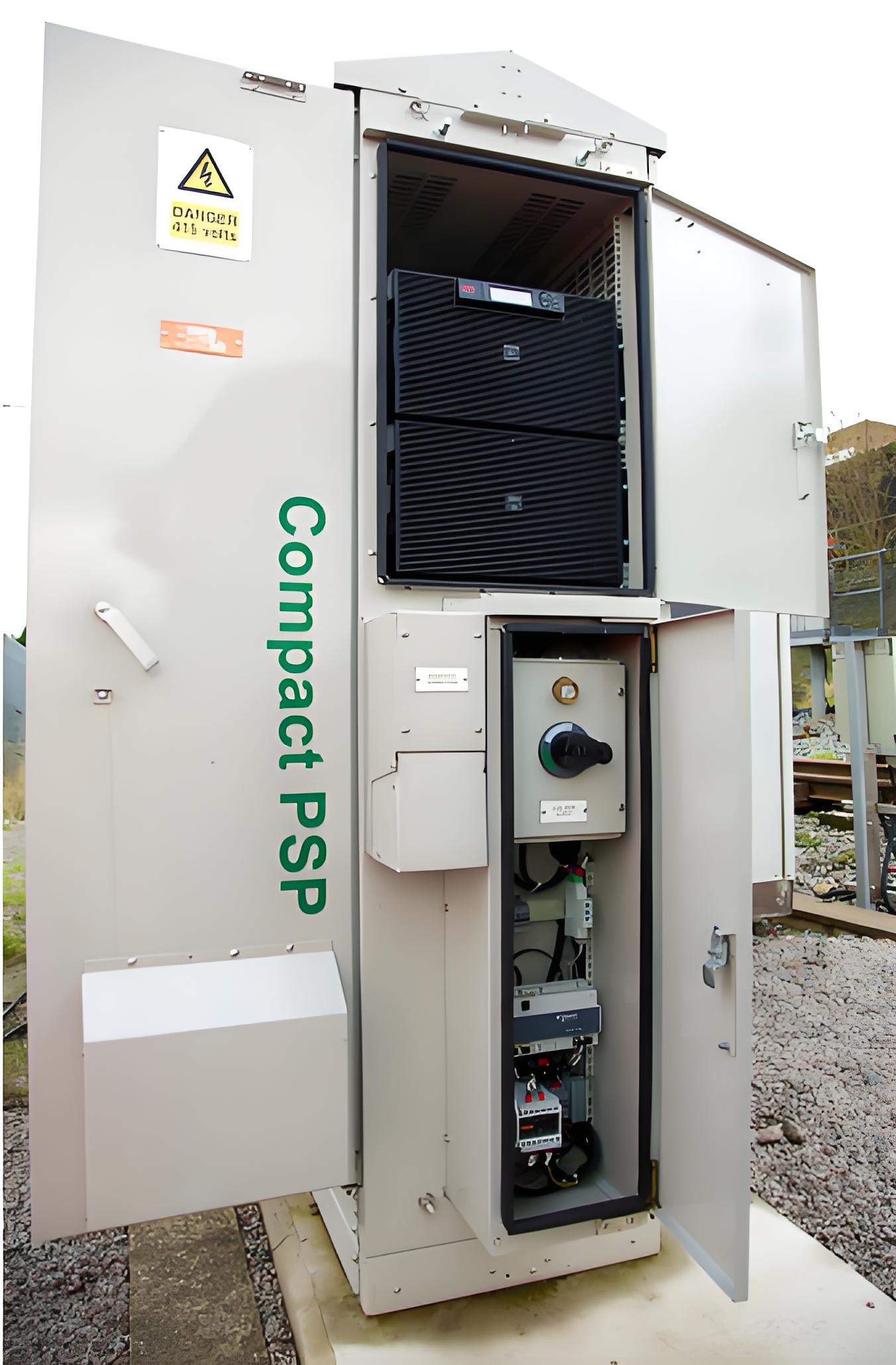
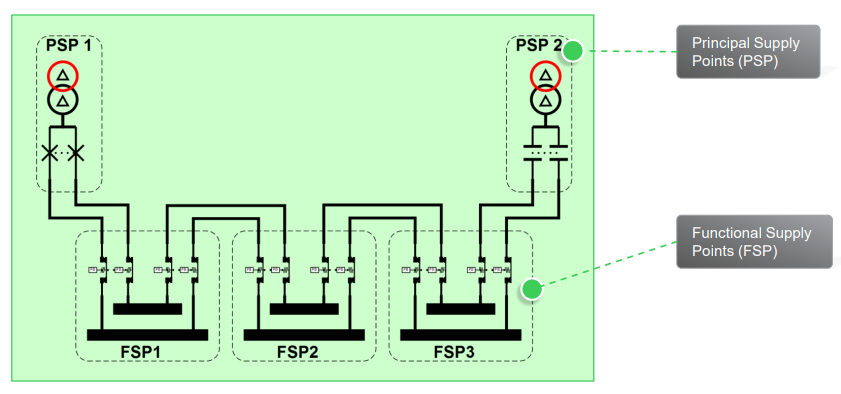
To ensure high reliability, auxiliary power systems use
dual-source power distribution loops.
This setup provides redundancy by connecting two
independent power sources, allowing uninterrupted
operation even if one source fails.
Key Benefits:
✔ Continuous Power Supply – If one source fails, the backup automatically takes over.
✔ Enhanced Stability – Minimizes downtime and improves fault tolerance.
✔ Flexible Power Routing – Electricity can flow through alternate paths if disruptions occur.
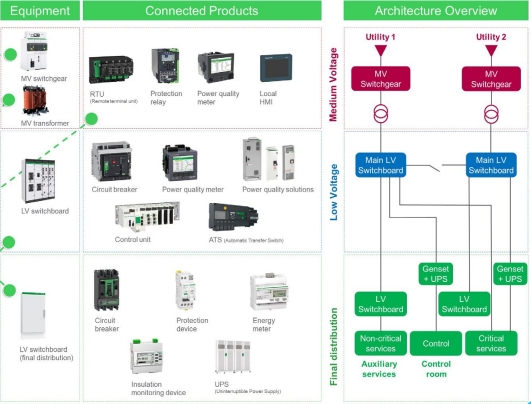
Main components of the electrical architecture solution
Key Components of the Electrical Architecture
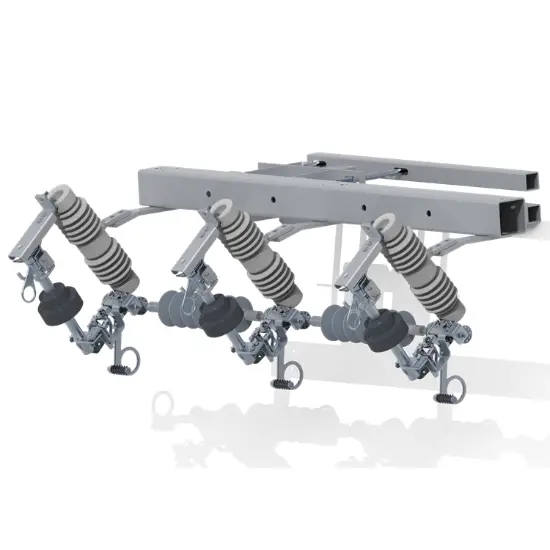
Medium Voltage (MV) Switchgear Cabinets
•Three-phase distribution cabinets for power control
and protection.
•Isolate faults and maintain system stability.
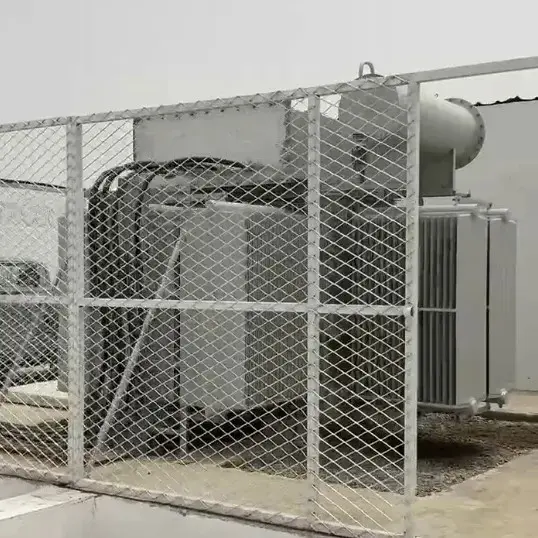
Auxiliary Power Transformer (Dry-Type)
•Converts voltage levels to support auxiliary systems
safely.
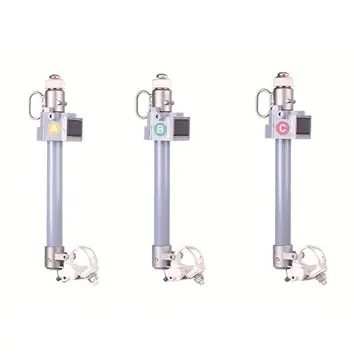
Control, Protection & Measurement Equipment
•Relays, circuit breakers, and sensors for fault detection.
•Real-time monitoring of voltage, current, and power
quality.
Low Voltage (LV) Distribution Equipment
•Switches, distribution panels, and cooling systems.
•Ensures safe power delivery to end-use applications

 Login