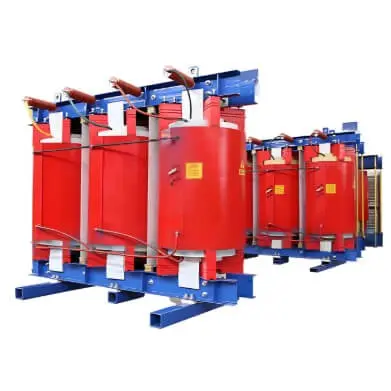
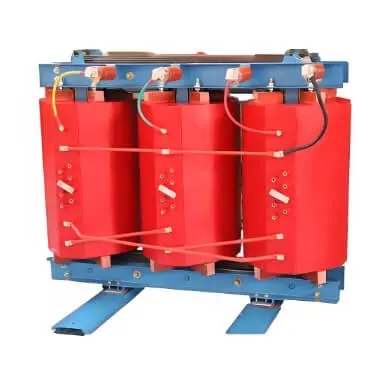
| Brand | ROCKWILL |
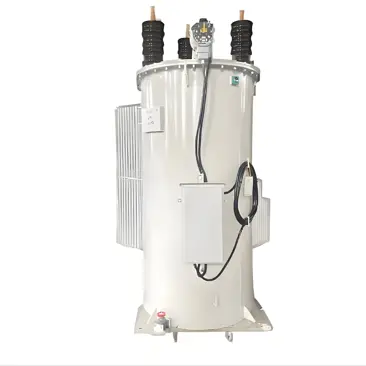
| Model NO. | 6kV 10kV 22kV 33kV 44kV Three - phase High protection class dry - type grounding/earthing transformer |
| Rated voltage | 10kV |
| Rated frequency | 50/60Hz |
| Rated capacity | 1000kVA |
| Series | DKSC |
Description
As a pioneer and the first dedicated original manufacturer focusing on this track in China's earthing transformer industry, decades of intensive cultivation have enabled us to accumulate solid technical expertise and even take the lead in establishing the initial norms for industry development. From tackling core technological challenges to implementing large-scale production, we have built an end-to-end independent layout. Relying on consistently leading product performance and extremely stable reliability, we have become a trusted benchmark in the field of power grid construction.
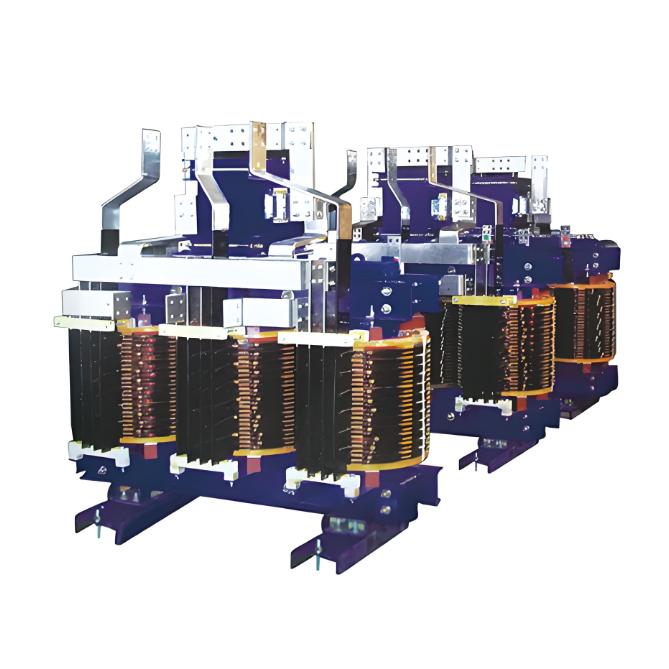
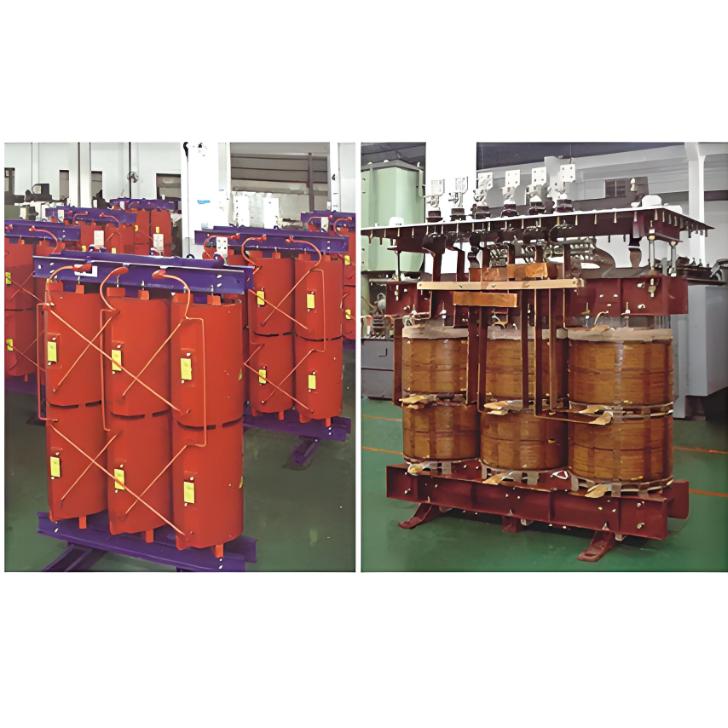
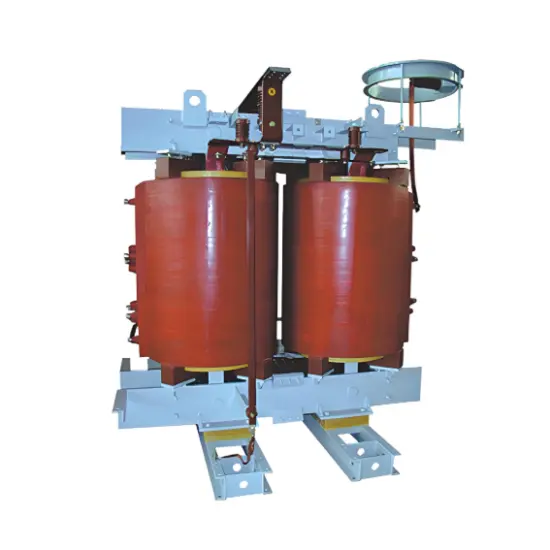
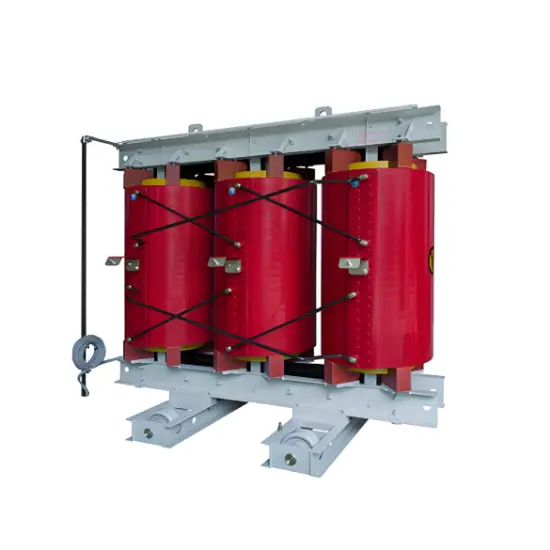
Designed for grounding protection in medium-voltage power grids, the 6kV 10kV 22kV 33kV 44kV Three - phase High protection class dry - type grounding/earthing transformer adopts epoxy resin vacuum casting thin-insulation technology. Both high and low-voltage windings are wound with copper foils, ensuring partial discharge values below 10pC. Thanks to the foil winding structure, it features large interlayer capacitance and linear initial voltage distribution, delivering outstanding lightning impulse withstand capability. The windings have consistent reactance heights and balanced ampere-turns, with near-zero axial short-circuit force, ensuring excellent short-circuit resistance.
With insulation classes F/H, the transformer operates safely at 155℃/180℃ long-term. Its core uses mineral oxide-insulated cold-rolled silicon steel sheets, achieving low no-load loss and noise. Moisture-proof, flame-retardant, and self-extinguishing, it suits urban distribution networks, industrial facilities, etc. Covering capacities up to 10,000kVA, it establishes a stable neutral grounding system for ≤35kV systems.
Feature
High Lightning Impulse Withstand Capability:Due to the high - and low - voltage windings all being wound with copper strips (foils), the interlayer voltage is low, the capacitance is large, and the initial voltage distribution of the foil - type winding is close to linear. Therefore, its lightning impulse withstand capability is strong.
High Short - Circuit Withstand Capability:Because the reactance heights of the high - and low - voltage windings are the same, there is no helix angle phenomenon, and the ampere - turn balance between the coils is achieved. The axial force on the high - and low - voltage windings caused by short - circuit is almost zero. Therefore, its short - circuit withstand capability is strong.
Good Anti - Cracking Performance:The dry - type transformer adopts the epoxy resin “thin insulation (1 - 3mm) technology”, which meets the requirements of occasions with low temperature, high temperature, and a large temperature variation range, and meets the anti - cracking requirements after long - term operation. It solves the cracking problem that is difficult to solve with the “thick insulation (6mm) technology”, providing reliable technical guarantee for dry - type transformers.
Strong Overload Capacity:If the load losses of transformers with the same capacity are equal, the area of the copper foil will be increased correspondingly compared with the copper conductor. After the volume is increased, the dosage of the filling resin is increased correspondingly. Therefore, the heat capacity of the winding is large, and the short - term overload capacity of the transformer is strong.
Good Flame - Retardant Performance:The epoxy resin vacuum casting process is adopted without environmental pollution, which is beneficial to environmental protection. The transformer has the characteristics of maintenance - free, moisture - proof, resistance to damp - heat, flame - retardant, and self - extinguishing, and is suitable for various environments and harsh conditions.
Low Loss and Low Noise:The iron core usually adopts high - quality cold - rolled silicon steel sheets insulated with mineral oxides. Through advanced processing technology, the loss level and no - load current are reduced to the minimum, and a very low noise level is achieved. At the same time, the assembled iron core is coated with class F resin paint on its surface to prevent dust, corrosion, smoke, and rust.
High Temperature Resistance Grade:The epoxy resin dry - type transformer belongs to class F or class H insulation, and can operate safely at a high temperature of 155℃ or 180℃ for a long time. With the same capacity, it has a small volume and light weight, which can save installation costs, etc.
Relevant Technical Specifications:Capacity ≤ 10000kVA; Voltage ≤ 35kV; Insulation grade: class F or H
Main technical parameter
Some of these earthing transformers cover voltage levels including:3.3kV / 6kV / 11kV / 15kV / 20kV / 22kV / 30kV / 33kV / 34.5kV / 36kV / 44kV / 66kV / 88kV / 110kV / 132kV / 145kV / 150kV / 220kV / 275kV / 330kV / 400kV, etc. The current withstand time ranges from 1s, 2s, 3s, 5s, 6s, 8s, 9s, 10s, 30s, 60s, 1hour to 2hours, and customization is available.
Model |
Voltage Class (V) |
Rated Capacity (kVA) |
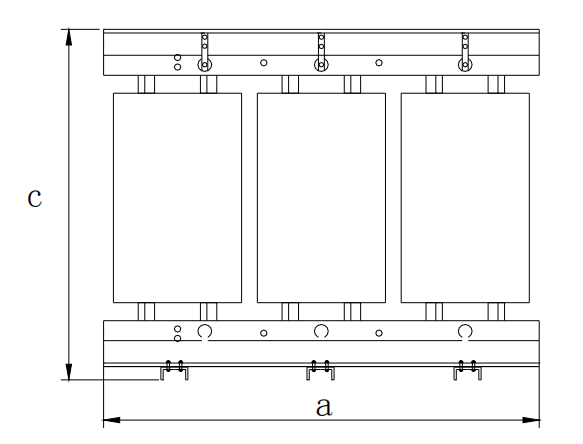
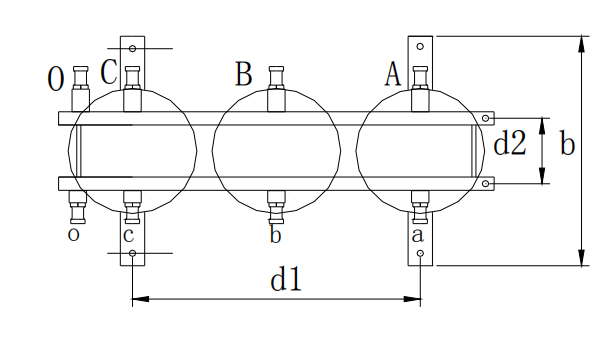
Overall Dimensions |
||||
a |
b |
c |
d1 |
d2 |
|||
DKSC-6/200 |
6300 |
200 |
1260 |
700 |
1065 |
820 |
550 |
DKSC-6/315 |
6300 |
315 |
1370 |
720 |
1060 |
820 |
660 |
DKSC-6/400 |
6300 |
400 |
1445 |
800 |
1155 |
1070 |
660 |
DKSC-6/630 |
6300 |
630 |
1520 |
800 |
1240 |
1070 |
660 |
DKSC-6/800 |
6300 |
800 |
1600 |
900 |
1280 |
1070 |
660 |
DKSC-10/200 |
10500 |
200 |
1260 |
700 |
1065 |
820 |
550 |
DKSC-10/315 |
10500 |
315 |
1370 |
720 |
1060 |
820 |
660 |
DKSC-10/400 |
10500 |
400 |
1445 |
800 |
1155 |
1070 |
660 |
DKSC-10/500 |
10500 |
500 |
1460 |
800 |
1215 |
1070 |
660 |
DKSC-10/630 |
10500 |
630 |
1520 |
800 |
1240 |
1070 |
660 |
DKSC-10/800 |
10500 |
800 |
1600 |
1000 |
1280 |
1070 |
660 |
DKSC-10/1000 |
10500 |
1000 |
1680 |
1000 |
1360 |
1070 |
820 |
DKSC-10/1250 |
10500 |
1250 |
1725 |
1000 |
1450 |
1070 |
820 |
Application Environmen:
Grid Grounding Systems:Provides an artificial neutral point for ungrounded or high-resistance grounded medium-voltage grids, effectively limiting ground fault current and enhancing power supply reliability.
Harsh Physical Environments:Features IP54/IP55 protection and wide-temperature design (-25°C to +45°C expandable to -40°C to +50°C ), suitable for high-humidity, dusty, high-altitude (≤3000m), and corrosive industrial conditions.
Space and Safety-Sensitive Locations:Dry-type oil-free construction meets compact installation requirements, while VPI technology and H/C-class insulation ensure high flame retardancy (UL94-V0), making it suitable for enclosed or fire-sensitive areas such as underground substations, data centers, and chemical plants.
New Energy and Industrial Applications:Widely used in wind/solar power stations, ship and rail transit power systems, oilfield platforms, and metallurgical rolling mills, providing neutral grounding and fault current management.
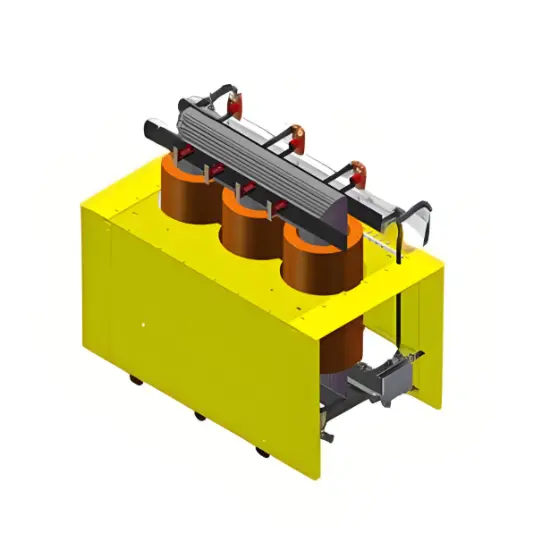
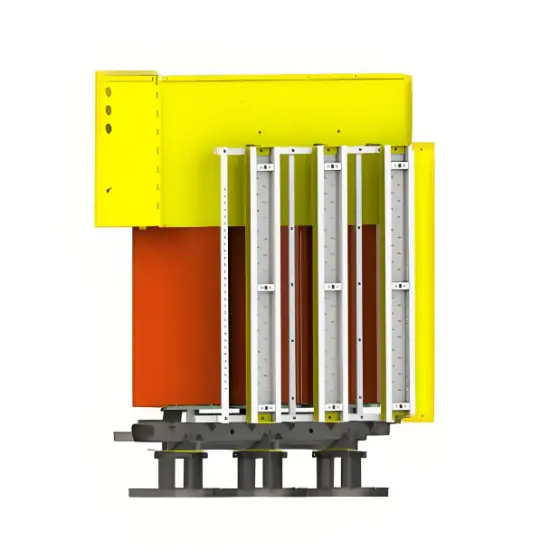
Outline Dimensions Diagram
<meta />
The core reason why the zigzag winding has become the mainstream is its better technical characteristics: ① The zero-sequence impedance is lower and more stable, which can provide a more reliable current path for ground faults and ensure the accurate operation of protection devices, while the zero-sequence impedance of the wye-delta winding is greatly affected by winding parameters; ② There is no circulating current loss during normal operation. The cross-connection method of its windings cancels the positive and negative sequence currents, avoiding the unbalanced circulating current that may exist in the wye-delta winding, and the operation efficiency is higher; ③ The voltage adaptation range is wider, with mature applications from medium-voltage 3.3kV to extra-high voltage 400kV+ systems, while the wye-delta winding is more limited to low-voltage and medium-voltage distribution scenarios; ④ The short-circuit resistance is stronger. The symmetry of the winding structure enables it to better withstand the electrodynamic and thermal stresses during faults, meeting the strict requirements for fault tolerance in the IEEE 32 standard.








 Login
Login