1. Introduction
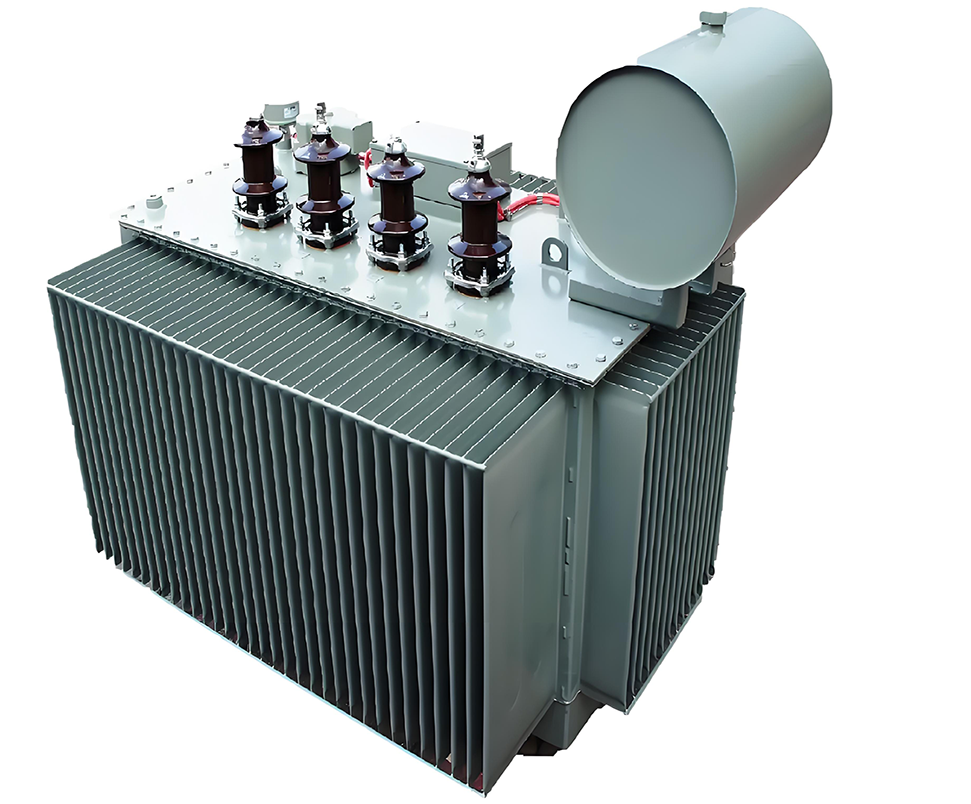
Latin America's power systems exhibit complex and variable characteristics, including diversified voltage levels, non-standardized grounding systems, and poor power quality. To address these challenges, Z-type grounding transformers leverage their unique zero-sequence impedance characteristics, voltage compatibility, and electrical isolation advantages to provide stable and reliable power for industrial equipment. This solution systematically elaborates on the application of Z-type grounding transformers in Latin America through three aspects: grid characteristics analysis, design principles, and installation/maintenance strategies.
2. Analysis of Latin American Power Grid Characteristics
Latin American grids are regionally heterogeneous and complex, posing specific demands for power equipment:
2.1 Voltage Level Variations
Brazil: Industrial power primarily uses 220V/380V three-phase (60Hz).
Mexico: Industrial systems operate at 440V/460V three-phase (60Hz).
Colombia: Hybrid 220V/440V/480Vsystems coexist:
Northern industrial zones: 220V three-phase four-wire systems.
Older industrial areas: 440V dedicated lines.
Eastern mining regions: Mixed voltage configurations.
2.2 Grounding System Inconsistencies
Colombia: Some regions use IT systems(ungrounded neutral), incompatible with China’s standard TN-S systems, leading to false leakage protection trips and insulation breakdown risks.
Brazil: Medium-voltage grids (e.g., 10kV) employ multi-point direct grounding, but suffer from inadequate high-resistance fault protection. Pilot projects now use arc suppression coils or active grounding.
Mexico: Low-voltage grids follow TN-S systems(U.S. influence), while high-voltage grids prefer direct grounding.
2.3 Power Quality Issues
Harmonic Pollution: In Colombian oil fields, widespread VFD-driven pumps cause THD ≥10%, accelerating transformer aging.
Surge Voltages: During tropical storms, surges exceed 2,000V, triggering short circuits.
Voltage Instability: Brazilian grids face blackouts during wind overloads; Mexican industrial zones require transformers with enhanced anti-interference capabilities.
3. Design Principles and Advantages of Z-Type Grounding Transformers
Z-type transformers use a zigzag winding connection to minimize zero-sequence impedance (to 6–10Ω, vs. 600Ω in conventional transformers). This design cancels zero-sequence magnetic fluxes in opposite-direction coils on the same core, enabling efficient fault current paths and suppressing arc grounding overvoltages.
3.1 Customized Parameters for Latin America:
Parameter |
Design Value |
Adaptation Analysis |
Rated Capacity |
125 kVA |
Supports Colombian industrial loads + 20% overload margin. |
Input Voltage |
220V/440V dual-winding |
Compatible with Colombia’s hybrid grids. |
Output Voltage |
380V ±1% |
Matches Chinese equipment requirements. |
Zero-Seq. Impedance |
8–10Ω/phase |
Lower than regional norms for smoother fault currents. |
Insulation Class |
Class H (180°C) |
Tolerates high ambient temperatures. |
Protection Class |
IP54 (outdoor) |
Resists dust/humidity in tropical climates. |
Harmonic Suppression |
Δ-YY + LC filters |
Reduces THD from 12% to <5%. |
3.2 Innovative Protection Design:
Harmonic Mitigation: Δ-YY wiring + LC filters limit 3rd-order harmonics (≤3%). Case Study: At a Colombian gold mine, THD dropped to <5%, reducing motor bearing wear by 60% ($30k/year savings).
Surge Protection: Integrated 100kA (8/20μs) surge arrestersclamp residual voltage to ≤5kV. Case Study: Eliminated monthly VFD failures in a Colombian mine.
Grounding Flexibility: Switchable neutral devices support IT/TN-S/TT systems, resolving false trips. Case Study: Reduced downtime by 100% at a Barranquilla plant.
Thermal Management: Forced-air cooling + Class H insulation ensures ≤65K winding temperature risein 35°C/85% humidity.
4. Installation and Maintenance Strategies
4.1 Regional Installation Protocols
Brazil: IP66 enclosures + smart cooling for high-heat environments.
Mexico: Compliance with NOM-001-SEDE(ventilation ≥1m, fire clearance ≥1.5m, grounding ≤2Ω).
Colombia: Surge arresters + switchable neutral devices; insulated rubber mats (≥5mm)prevent dust-induced shorts.
4.2 Maintenance Cycles
Quarterly: Insulation resistance tests (≥500MΩ), cooling system cleaning, vibration monitoring (≤2.5mm/s).
Biannual: THD tests, winding deformation analysis.
Annual: Country-specific certifications (e.g., Mexico’s UL 5085, Colombia’s RETIE).
4.3 Fault Response
Brazil: Lightning strikes→Test insulation oil (>50kV breakdown voltage).
Mexico: Surge damage →Replace arrester modules + update documentation.
Colombia: THD >5% →Load reduction (20%) + LC filter recalibration.
4.4 Localized Support
Service centers in Monterrey (MX), São Paulo (BR), and Bogotá(CO)with portable testing tools.
Spanish-language manuals, technician training, and “Dust-Control Maintenance Packages”(quarterly filter cleaning/insulation checks).

 Login
Login