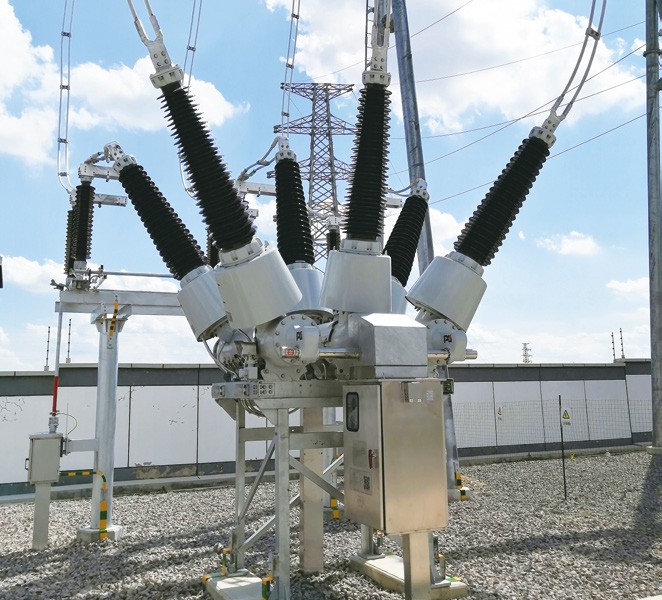
252kV 363kV 550kV 800kV HV SF6 Circuit Breaker
Key attributes
| Brand | Wone |
| Model NO. | 252KV 363KV 550KV 800KV SF6 Circuit Breaker |
| Rated voltage | 363kV |
| Rated normal current | 4000A |
| Series | LW55 |
Product descriptions from the supplier
Description:
LW55 Series of SF6 Dead Tank Circuit Breaker, including LW55-252, LW55-363, LW55-550 and LW55-800, are used for making and breaking normal current, fault current and switching lines to realize the control, measurement and protection of power system.
With the advantages of excellent breaking performance, reliable mechanical properties, advanced tightness technology, high design parameters, the whole structure of circuit breaker is compact, with stable and reliable performance and long endurance.
Main Features:
The circuit breaker is of strong breaking capacity, long electrical endurance.
LW55 Series have excellent antiseismic and antipollution capacities, which make it suitable for those polluted places and higher elevation areas.
The oil pressure in hydraulic mechanism is automatic controlled and it can’t be affected by the temperature.
There are almost no external pipe for this new type of hydraulic operating mechanism, the possibility of oil leakage is reduced.
Technical Parameters:

What are the leakage rate requirements for the arc quenching chamber of a tank-type circuit breaker?
The leakage rate of SF₆ gas must be controlled at an extremely low level, typically not exceeding 1% per year. SF₆ gas is a potent greenhouse gas, with a greenhouse effect 23,900 times that of carbon dioxide. If a leak occurs, it can not only cause environmental pollution but also lead to a decrease in the gas pressure within the arc quenching chamber, affecting the performance and reliability of the circuit breaker.
To monitor the leakage of SF₆ gas, gas leakage detection devices are typically installed on tank-type circuit breakers. These devices help to promptly identify any leaks so that appropriate measures can be taken to address the issue.

Related Products
-
RHB type Live tank SF6 gas circuit breaker

-
72.5kV Three-phase AC Dead tank type SF6 circuit breaker
-
145kV 150kV 170kV Dead Tank SF6 Circuit Breaker
-
252kV outdoor self-energy power high voltage SF6 circuit breaker
-
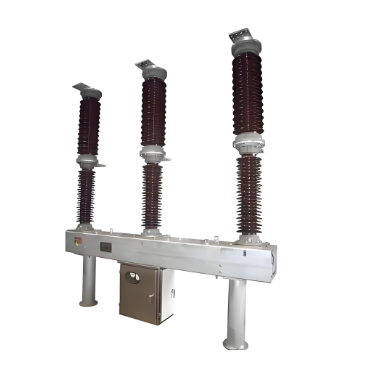
126kV 145kV high voltage SF6 circuit breaker
-
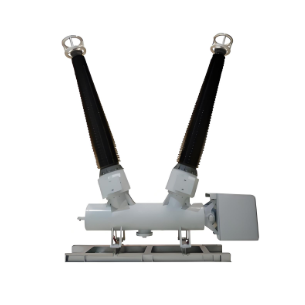
420kV Dead tank SF6 circuit breaker
-
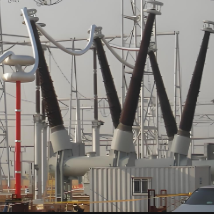
800kV dead tank SF6 circuit breaker
Related Knowledges
-
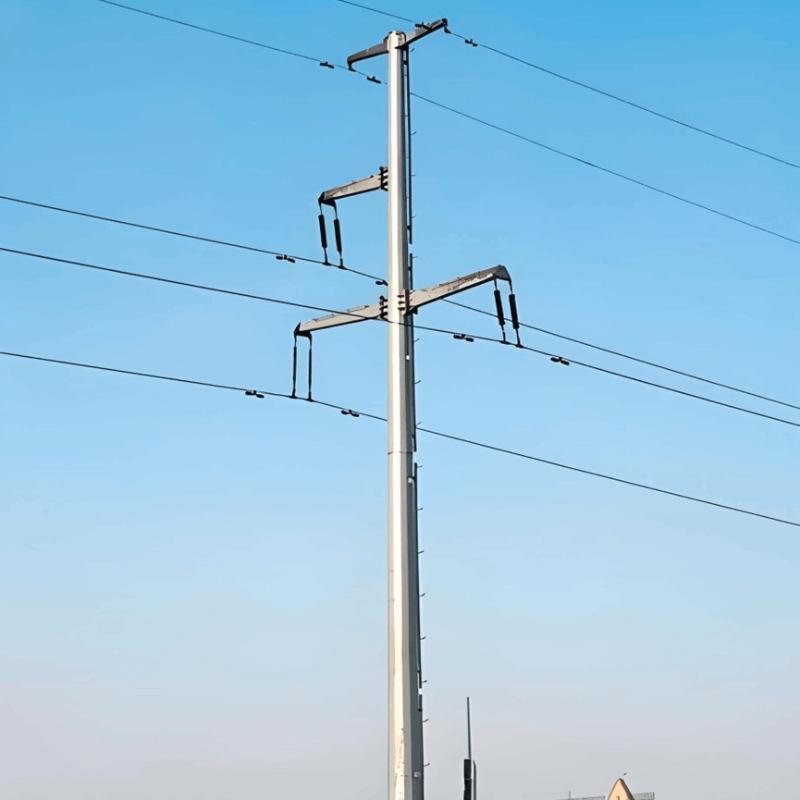 How to Design 10kV Overhead Line PolesThis article combines practical examples to refine the selection logic for 10kV steel tubular poles, discussing clear general rules, design procedures, and specific requirements for use in 10kV overhead line design and construction.Special conditions (such as long spans or heavy ice zones) require additional specialized verifications based on this foundation to ensure safe and reliable tower operation.General Rules for Overhead Transmission Line Tower SelectionThe rational selection of overheadJames10/20/2025
 -
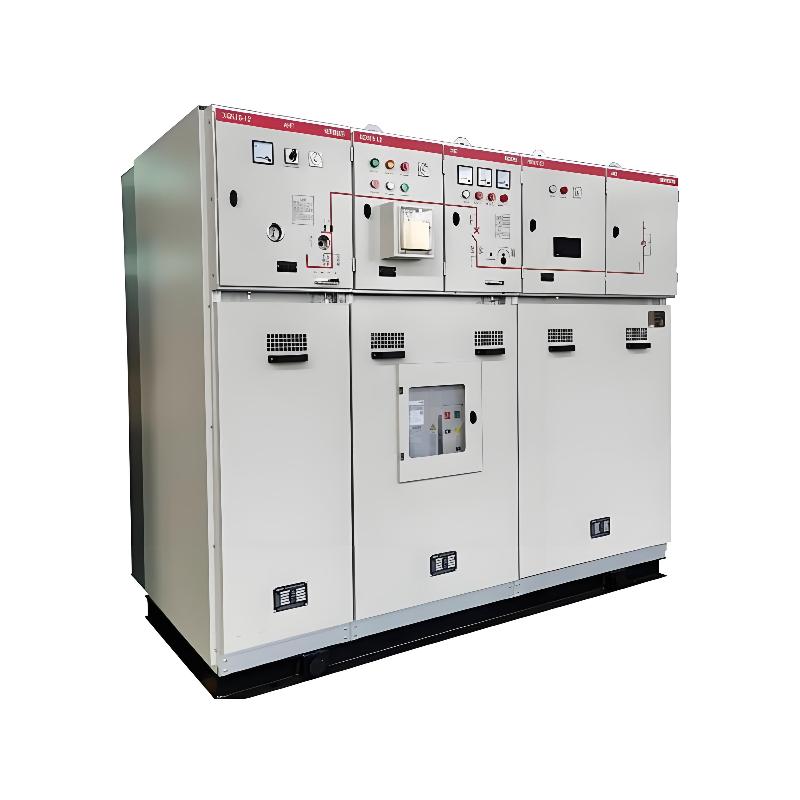 10kV RMU Common Faults & Solutions GuideApplication Issues and Handling Measures for 10kV Ring Main Units (RMUs)The 10kV ring main unit (RMU) is a common electrical distribution device in urban power distribution networks, primarily used for medium-voltage power supply and distribution. During actual operation, various issues may arise. Below are common problems and corresponding corrective measures.I. Electrical Faults Internal Short Circuit or Poor WiringA short circuit or loose connection inside the RMU can lead to abnormal operatiEcho10/20/2025
 -
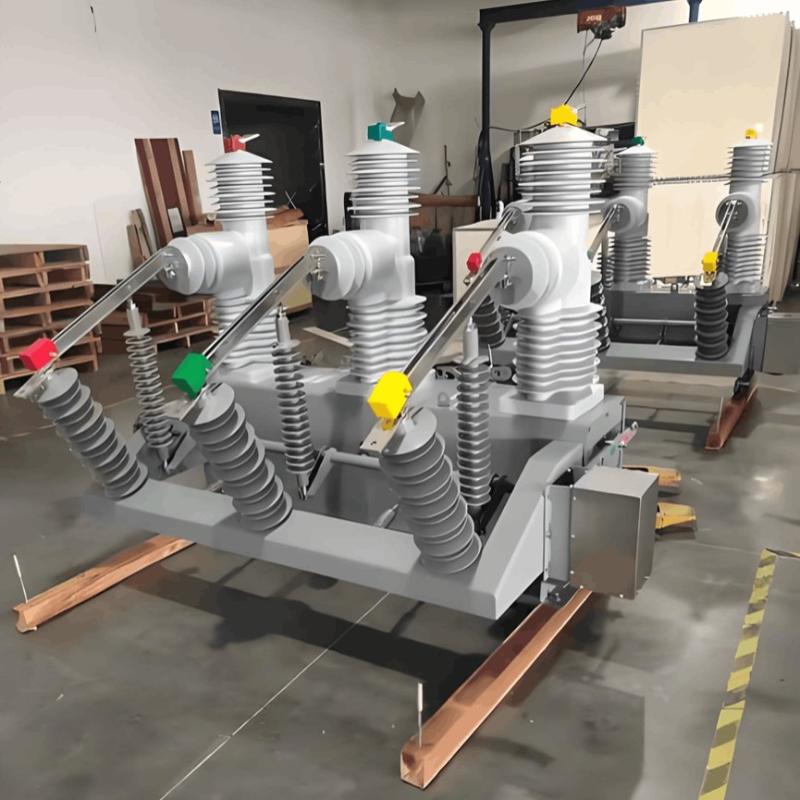 High-Voltage Circuit Breaker Types & Fault GuideHigh-Voltage Circuit Breakers: Classification and Fault DiagnosisHigh-voltage circuit breakers are critical protective devices in power systems. They rapidly interrupt current when a fault occurs, preventing damage to equipment from overloads or short circuits. However, due to long-term operation and other factors, circuit breakers may develop faults that require timely diagnosis and troubleshooting.I. Classification of High-Voltage Circuit Breakers1. By Installation Location: Indoor-type: InstaFelix Spark10/20/2025
 -
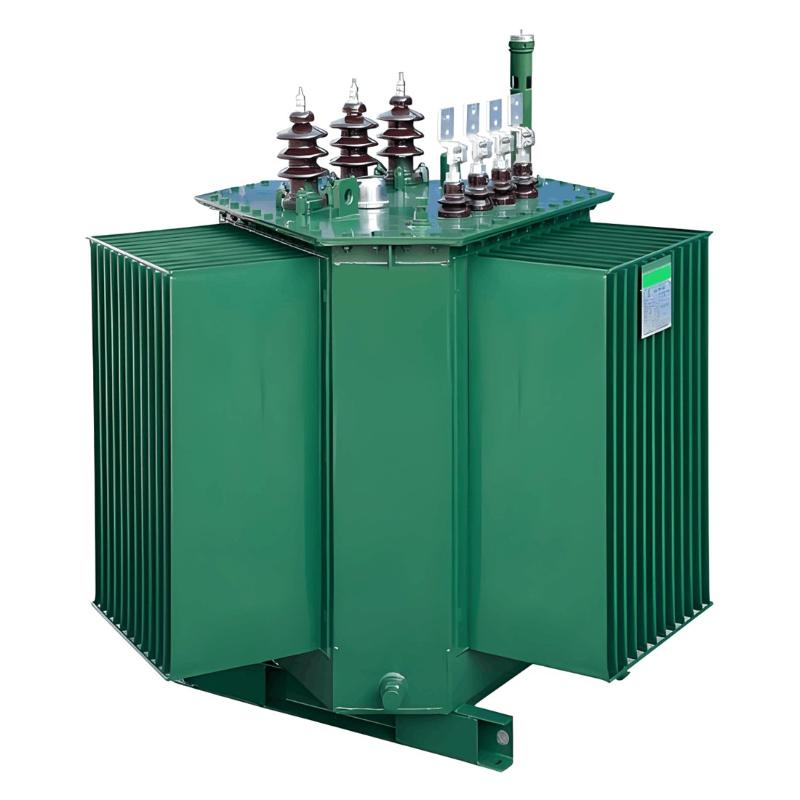 3D Wound-Core Transformer: Future of Power DistributionTechnical Requirements and Development Trends for Distribution Transformers Low losses, especially low no-load losses; highlighting energy-saving performance. Low noise, particularly during no-load operation, to meet environmental protection standards. Fully sealed designto prevent transformer oil from contacting external air, enabling maintenance-free operation. Integrated protection devices within the tank, achieving miniaturization; reducing transformer size for easier on-site installation. CEcho10/20/2025
 -
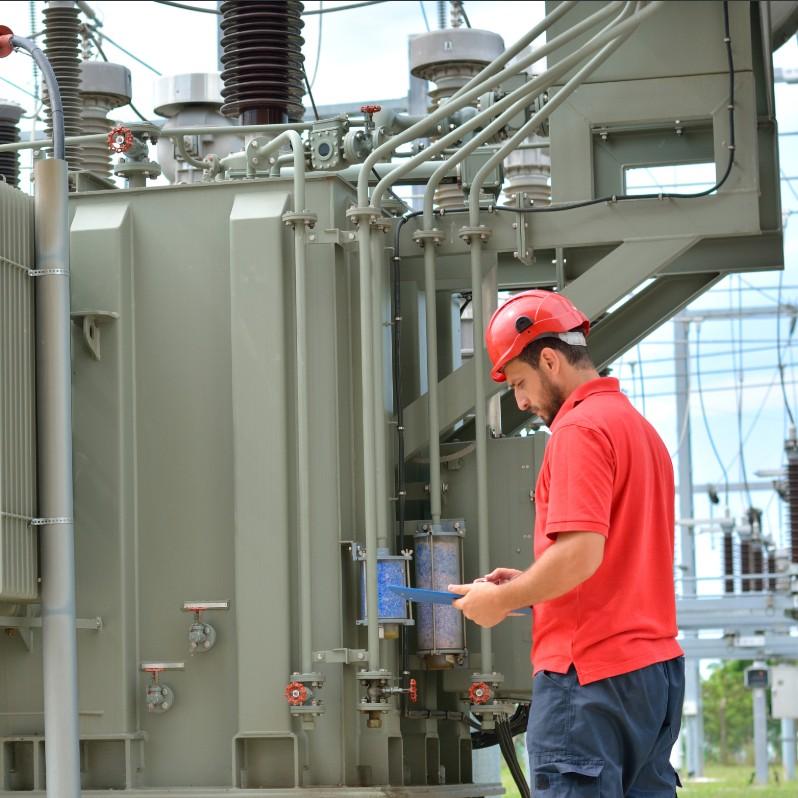 10 Prohibitions for Transformer Installation and Operation!10 Prohibitions for Transformer Installation and Operation! Never install the transformer too far away—avoid placing it in remote mountains or wilderness. Excessive distance not only wastes cables and increases line losses, but also makes management and maintenance difficult. Never choose transformer capacity arbitrarily. Selecting the right capacity is essential. If the capacity is too small, the transformer may be overloaded and easily damaged—overloading beyond 30% should not exceed two hoursJames10/20/2025
 -
 How to Maintain Dry-Type Transformers Safely?Maintenance Procedures for Dry-Type Transformers Put the standby transformer into operation, open the low-voltage side circuit breaker of the transformer to be maintained, remove the control power fuse, and hang a "DO NOT CLOSE" sign on the switch handle. Open the high-voltage side circuit breaker of the transformer under maintenance, close the grounding switch, fully discharge the transformer, lock the high-voltage cabinet, and hang a "DO NOT CLOSE" sign on the switch handle. For dry-type transFelix Spark10/20/2025