145kV HV Gas-Insulated Switchgear (GIS)
Key attributes
| Brand | ROCKWILL |
| Model NO. | 145kV HV Gas-Insulated Switchgear (GIS) |
| Rated voltage | 145kV |
| Rated normal current | 3150A |
| Series | ZF28 |
| Place of Origin | Zhejiang, China |
Product descriptions from the supplier
Product overview
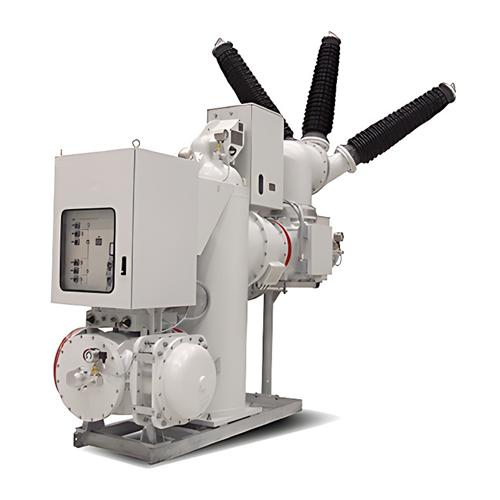
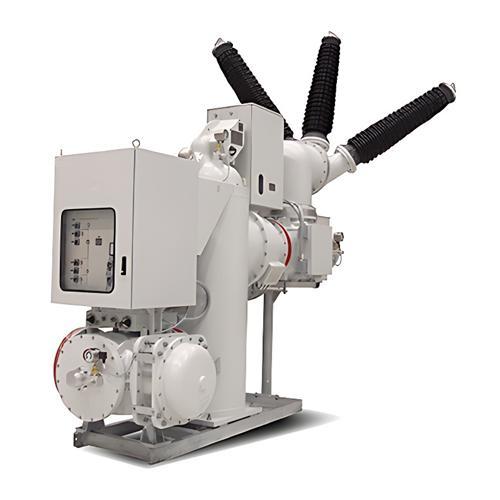
ZF28-145 type GIS is composed of standard modules through same sized flanged joint, which can meet the demand for substation optimization design through the flexible combination between modules. It saves space and conforms to technical requests.
This product can be applied to power system, power generation, rail transportation, petrochemical, metallurgy, mining, building materials and other large industrial consumer.
Features and advantages of the product
-
Special arc extinguish chamber design with spring operation mechanism;
-
The structure is tight and the minimum interval width can reach 800mm;
-
Full three phase encapsulated;
-
Self-developed 3 position isolated grounding switch;
-
Completely self-research and development with high starting point and large investment;
-
Inspected to be qualified by KEMA High level of parameters, advanced structural design;
-
Insulation level is higher than IEC and GB standards;
-
Self-blast combined interrupter, 3-position disconnector and earthing switch, spring operating mechanism;
-
Double sealing ring structure;
-
Minimum area;Compact and standardized module design with minimum intervals width 800mm;
-
It is applied to cold, humid, salt fog, coastal, high altitude areas;
-
Spring operating mechanism base processed by Four Axis Milling CNC Machining Center imported from DMG, German;
-
Basin-type produced by vacuum epoxy casting Production line imported from Germany Hubers;
Technical Parameter

Insulation Principle:
-
In an electric field, the electrons in SF₆ gas molecules are slightly displaced from the nuclei. However, due to the stability of the SF₆ molecular structure, it is difficult for electrons to escape and form free electrons, resulting in high insulation resistance. In GIS (Gas-Insulated Switchgear) equipment, the insulation is achieved by precisely controlling the pressure, purity, and electric field distribution of the SF₆ gas. This ensures a uniform and stable insulating electric field between the high-voltage conductive parts and the grounded enclosure, as well as between different phase conductors.
-
Under normal operating voltage, the few free electrons in the gas gain energy from the electric field, but this energy is not sufficient to cause collision ionization of the gas molecules. This ensures the maintenance of the insulating properties.
Due to the excellent insulation performance, arc extinguishing performance and stability performance of SF6 gas, GIS equipment has the advantages of small footprint, strong arc extinguishing ability and high reliability, but the insulation ability of SF6 gas is greatly affected by the uniformity of the electric field, and it is easy to have insulation abnormalities when there are tips or foreign objects inside the GIS.
GIS equipment adopts a fully enclosed structure, which brings the advantages of internal components without environmental interference, long maintenance cycle, low maintenance workload, low electromagnetic interference, etc., while also having problems such as complex single overhaul work and relatively poor detection methods, and when the closed structure is eroded and damaged by the external environment, it will further bring a series of problems such as water ingress and air leakage.
The core difference lies in the scenario adaptability brought by the "hybrid application of insulating media": ① Compared with fully gas-insulated GIS, HGIS connects via air-insulated busbars, reducing reliance on a fully enclosed gas environment. It has more advantages in scenarios where installation space is relatively sufficient but the volume of core components needs to be controlled; ② Compared with fully air-insulated AIS, the core functional modules of HGIS adopt gas insulation, resulting in a more compact structure. It is suitable for scenarios with limited floor space (such as urban substations and offshore platforms) and reduces the impact of the external environment on core components.

Related Products
-
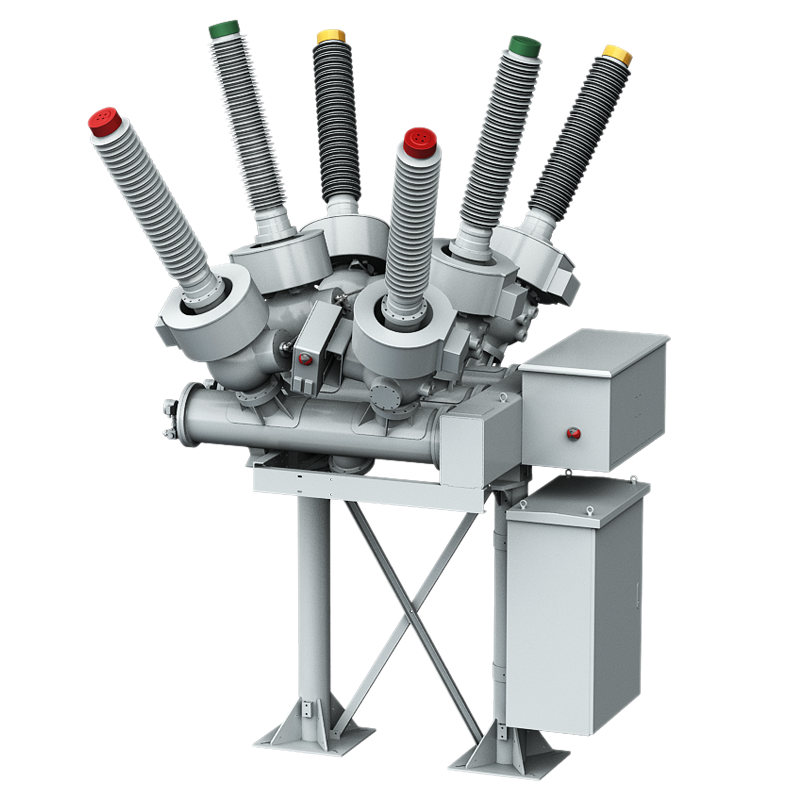
ZHW Series HV Gas insulation switchgear (GIS)
-
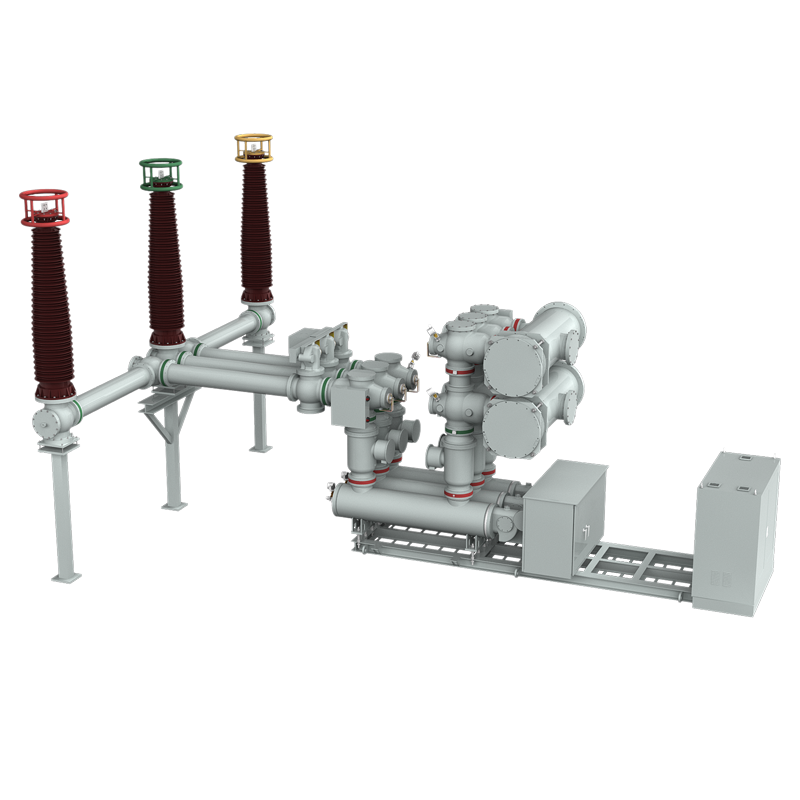
ZFW34 HV Gas insulation switchgear (GIS)
-
ZFW21 HV Gas insulation switchgear (GIS)
-
12kV 17.5kV 24kV outdoor Gas Insulated Ring Main Unit
-
KGC-1189Desktop Dissolved Gas Analysis Analyzer

-
550kV Gas Insulated Switchgear HV (GIS)

-
420kV HV Gas Insualted Switchgear(GIS)
Related Knowledges
-
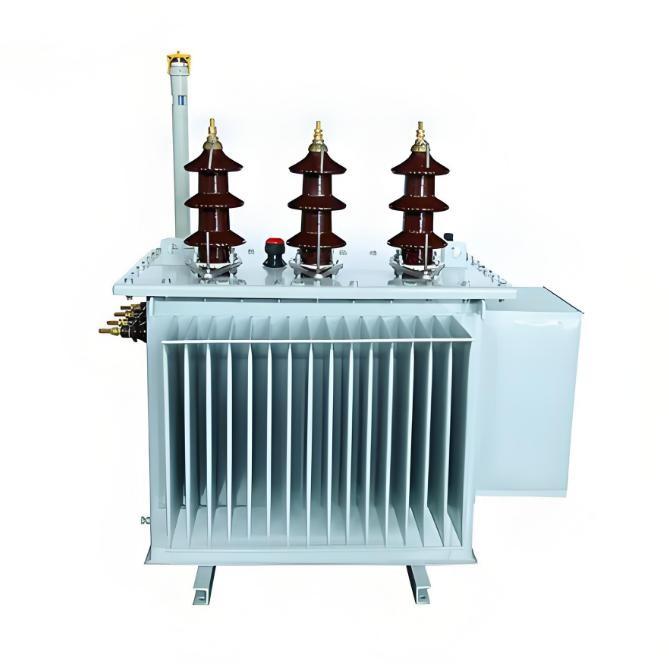
 Top 5 Faults Found in H61 Distribution TransformersFive Common Defects of H61 Distribution Transformers1.Lead Wire DefectsInspection Method: The three-phase DC resistance imbalance rate significantly exceeds 4%, or one phase is essentially open-circuited.Remedial Measures: The core should be lifted for inspection to locate the defective area. For poor contacts, re-polish and tighten the connection. Poorly welded joints should be re-welded. If the welding surface area is insufficient, it should be enlarged. If the lead wire cross-section is inade12/08/2025
 -
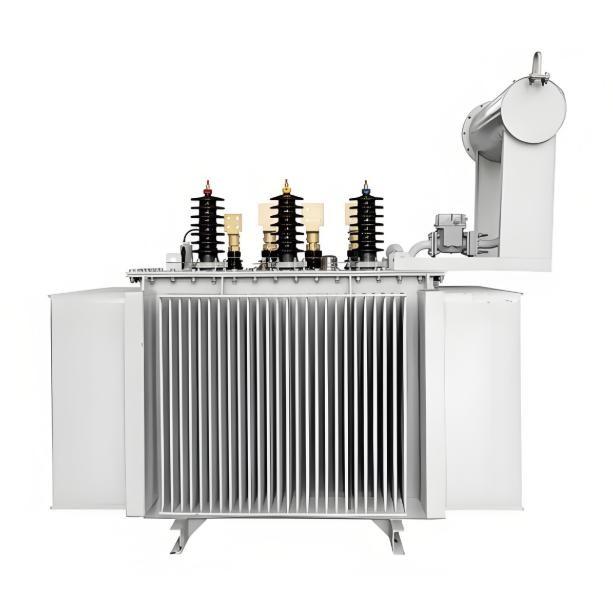
 How Voltage Harmonics Affect H59 Distribution Transformer Heating?The Impact of Voltage Harmonics on Temperature Rise in H59 Distribution TransformersH59 distribution transformers are among the most critical equipment in power systems, primarily functioning to convert high-voltage electricity from the power grid into low-voltage electricity required by end users. However, power systems contain numerous nonlinear loads and sources, which introduce voltage harmonics that adversely affect the operation of H59 distribution transformers. This article will discuss i12/08/2025
 -
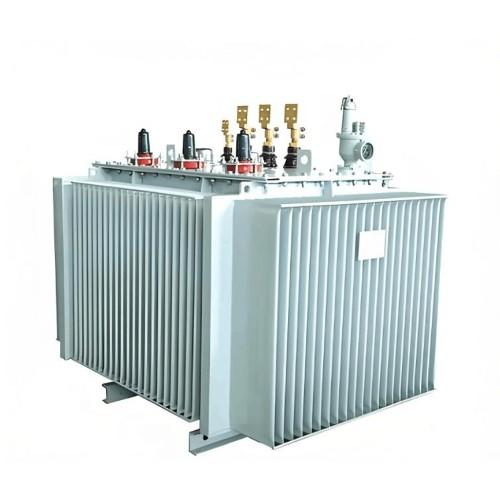
 What Is an H61 Distribution Transformer? Uses & SetupH61 distribution transformers refer to transformers used in power distribution systems. In a distribution system, high-voltage electricity must be converted into low-voltage electricity via transformers to supply electrical equipment in residential, commercial, and industrial facilities. The H61 distribution transformer is a type of infrastructure equipment primarily used in the following scenarios: Supplying power from high-voltage grids to low-voltage grids: During power delivery, high-voltage12/08/2025
 -
 How to Diagnose Faults in H59 Distribution Transformers by Listening to Their SoundsIn recent years, the accident rate of H59 distribution transformers has shown an upward trend. This article analyzes the causes of failures in H59 distribution transformers and proposes a series of preventive measures to ensure their normal operation and provide effective assurance for power supply.H59 distribution transformers play a vital role in power systems. With the continuous expansion of power system scale and the increasing single-unit capacity of transformers, any transformer failure n12/08/2025
 -
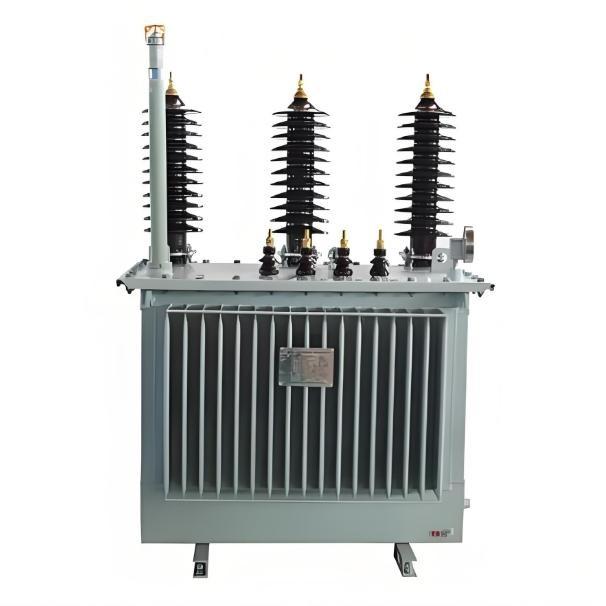 What lightning protection measures are used for H61 distribution transformers?What lightning protection measures are used for H61 distribution transformers?A surge arrester should be installed on the high-voltage side of the H61 distribution transformer. According to SDJ7–79 "Technical Code for Design of Overvoltage Protection of Electric Power Equipment," the high-voltage side of an H61 distribution transformer should generally be protected by a surge arrester. The grounding conductor of the arrester, the neutral point on the low-voltage side of the transformer, and the12/08/2025
 -
 How does the oil in oil-immersed power transformers clean itself?The self-cleaning mechanism of transformer oil is typically achieved through the following methods: Oil Purifier FiltrationOil purifiers are common purification devices in transformers, filled with adsorbents such as silica gel or activated alumina. During transformer operation, convection caused by oil temperature changes drives the oil to flow downward through the purifier. Moisture, acidic substances, and oxidation byproducts in the oil are absorbed by the adsorbent, thereby maintaining oil c12/06/2025
Related Solutions
-
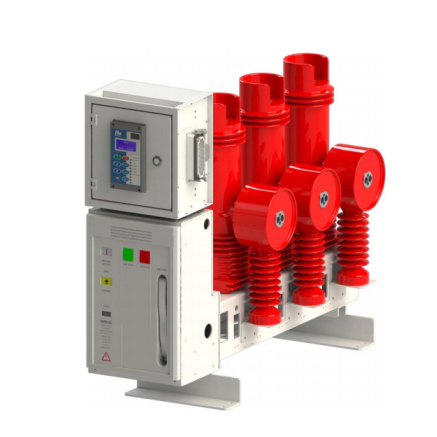 Intelligent Operation Solution for 12kV Vacuum Circuit Breakers: Integrating Real-time Monitoring & Lifetime OptimizationⅠ. Equipment Operation & MaintenanceIntelligent Monitoring System IntegrationMulti-parameter Real-time Monitoring: Embedded sensors (temperature, displacement, Hall effect current sensors) track contact temperature rise, mechanical characteristics (opening/closing speed, overtravel), coil current, and partial discharge signals. Data undergoes preprocessing via edge computing prior to cloud upload.Lifetime Prediction Model: Dynamically evaluates remaining lifespan using electrical wear data06/10/2025
 -
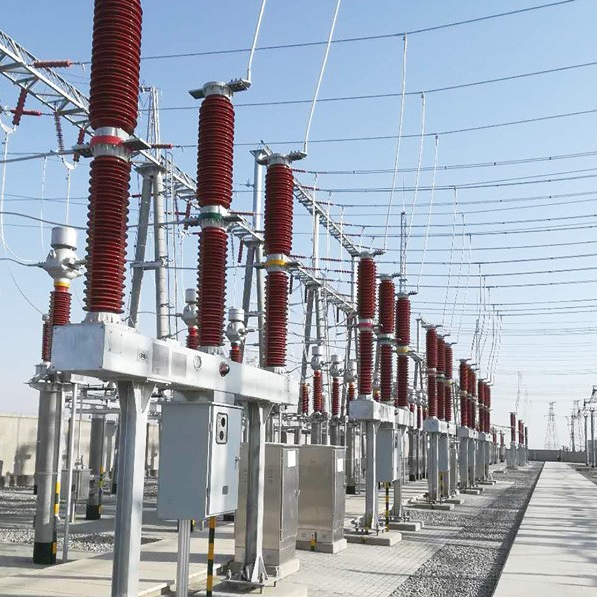 SF6 Circuit Breaker Solutions for Outdoor Installation (Anti-Pollution & Seismic Resistance)I.Core Challenges in Outdoor InstallationIn high-voltage transmission and distribution systems, SF6 circuit breakers are exposed to complex outdoor environments for extended periods, facing the following critical issues:Pollution & Insulation DegradationDust, salt fog, and industrial pollutants in outdoor environments easily adhere to equipment surfaces. In coastal or industrial areas, pollution levels may reach Class IV, resulting in insufficient creepage distance and triggering flasho05/12/2025
 -
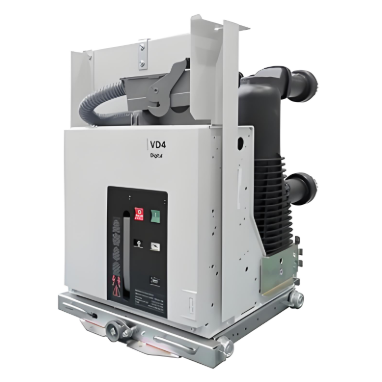 12kV Indoor Vacuum Circuit Breaker Southeast Asia Solution: Anti-Corrosion Compact Design12kV Indoor Vacuum Circuit Breaker Southeast Asia Solution: Anti-Corrosion Compact DesignⅠ. Executive SummarySoutheast Asia faces rapidly growing electricity demand alongside environmental challenges including high temperatures, humidity, salt spray corrosion, and grid instability. This solution recommends Solid Insulated Pole-Mounted Vacuum Circuit Breakers (VCB) featuring high reliability, compact design, and smart monitoring. Tailored for tropical climates and industrial scenarios, it06/10/2025