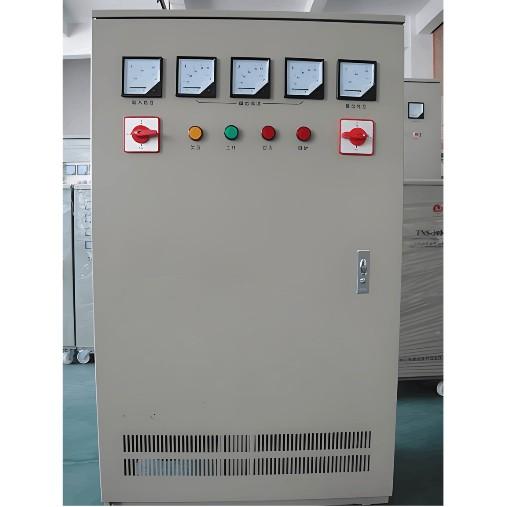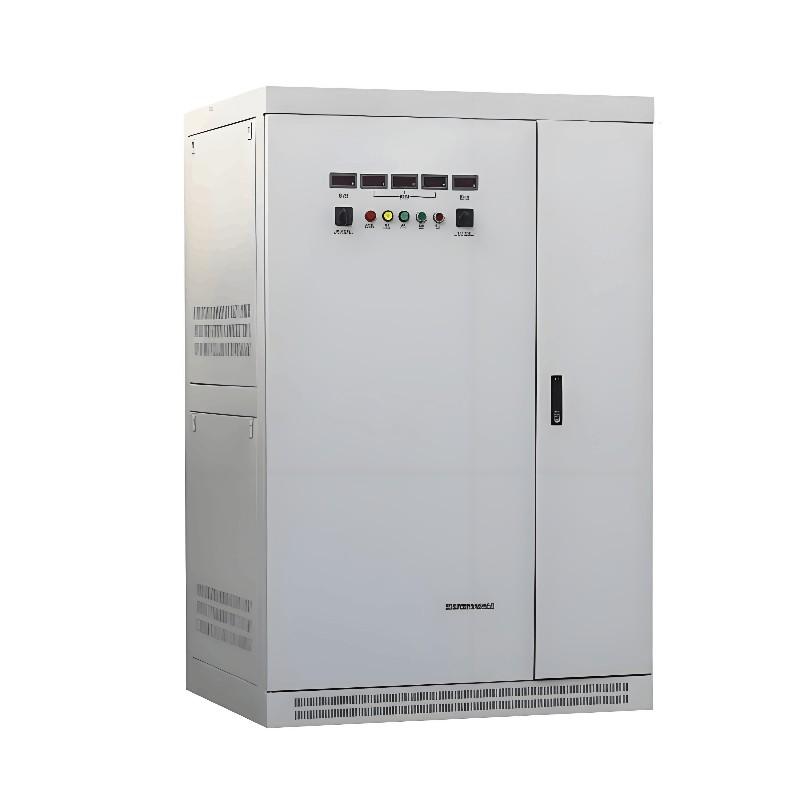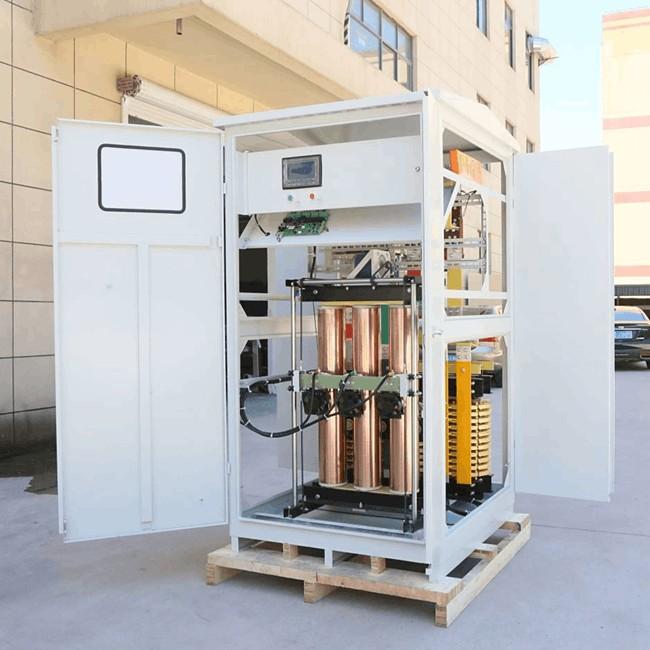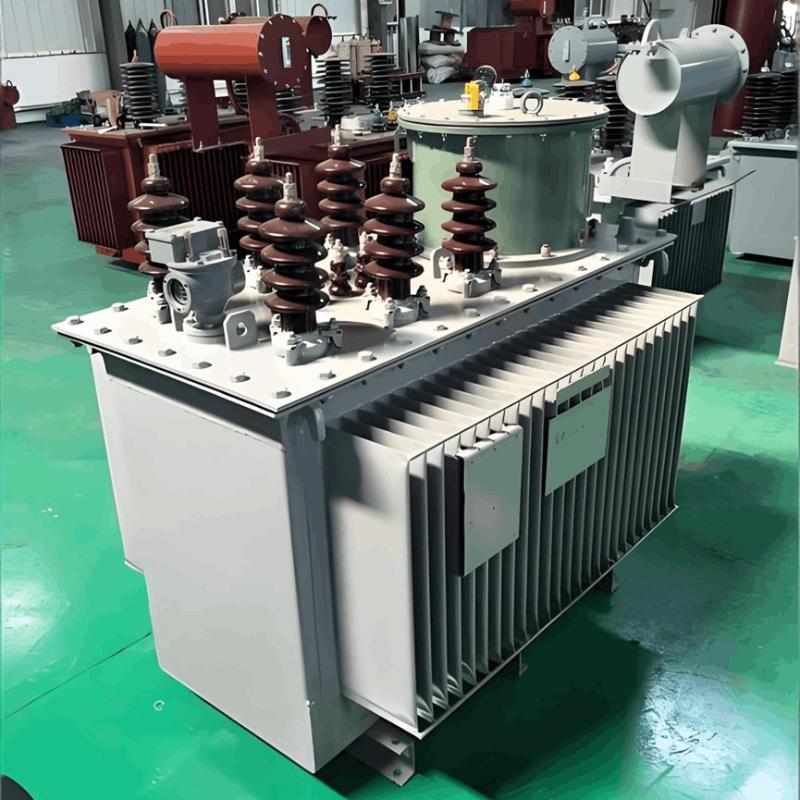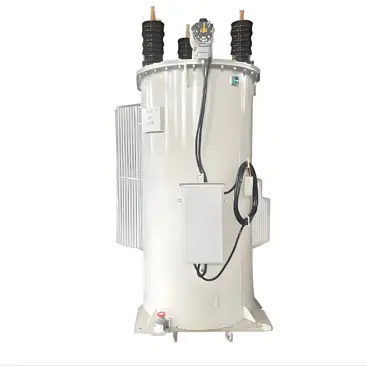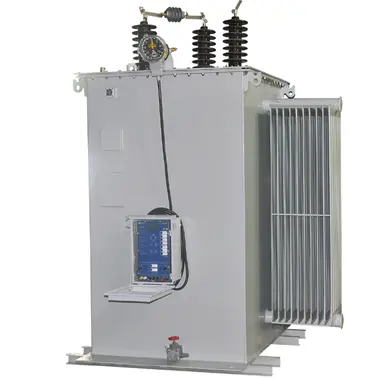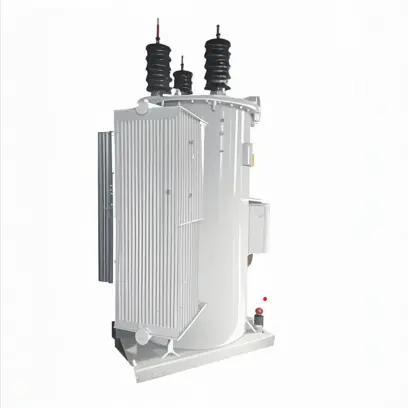
A single-phase autotransformer voltage regulator is a common electrical device widely used in laboratories, industrial production, and household appliances. It adjusts the output voltage by varying the input voltage and offers advantages such as simple structure, high efficiency, and low cost. However, improper use may not only impair equipment performance but also lead to safety hazards. Therefore, mastering the correct operating procedures is essential.
1. Basic Principle of Single-Phase Autotransformer Voltage Regulators
A single-phase autotransformer voltage regulator is a special type of transformer featuring only one winding, with the input and output sharing part of the same coil. By moving a sliding contact along the winding, the turns ratio is altered to adjust the output voltage. Compared to conventional transformers, autotransformers eliminate the need for a separate secondary winding, resulting in a more compact size and higher efficiency. However, they also pose certain safety risks—since there is no electrical isolation between input and output, the risk of electric shock is increased.
2. Preparations Before Use
Inspect the external condition: Before use, check the regulator’s exterior for any damage, deformation, or oil leakage. If any abnormalities are found, discontinue use immediately and contact a qualified technician for inspection.
Verify rated specifications: Check the nameplate to confirm that the rated input voltage, output voltage range, and maximum load current meet your requirements. Never operate beyond the rated capacity, as this may cause overheating or burnout.
Select an appropriate power source: Ensure that the supply voltage and frequency match the regulator’s rated values. For example, if the device is rated for 220V input but the actual supply is 380V, a step-down transformer must be used before connecting to the autotransformer.
Grounding protection: Since the input and output of an autotransformer share a common ground, the enclosure must be reliably grounded to prevent electric shock due to leakage current.
3. Correct Wiring Method
Input terminal connection: Connect the live wire (L) and neutral wire (N) from the power source to the input terminals of the regulator, usually labeled “L” and “N” or “Input.” Pay attention to polarity and avoid reverse connections.
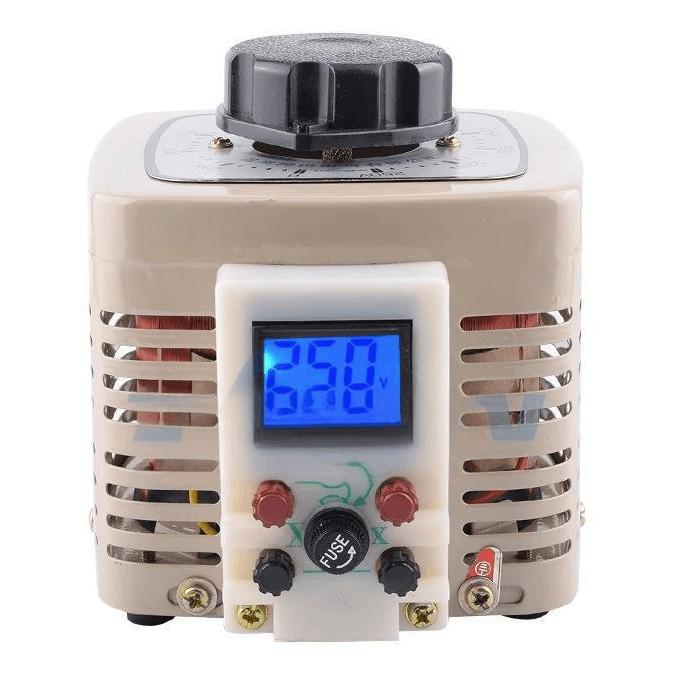
Output terminal connection: Connect the load equipment to the output terminals, typically marked “Output” or “U, V.” The output voltage can be adjusted by rotating the voltage control knob.
Avoid short circuits: During wiring, ensure that no short circuit exists at the output terminals. A short circuit can cause a sudden surge in current, potentially damaging the regulator or causing a fire.
4. Operational Precautions
Adjust voltage gradually: When adjusting the output voltage, rotate the control knob slowly to avoid rapid or large changes. Sudden voltage shifts may cause electrical stress on the load, especially sensitive instruments or electronic devices.
Monitor load current: Continuously monitor whether the load current remains within the rated range during operation. Excessive current indicates an overloaded condition; reduce the load or stop using the device immediately.
Prevent overheating: The regulator may heat up during prolonged full-load operation. If the unit becomes excessively hot, stop using it and investigate the cause. Consider adding a cooling fan or reducing the load if necessary.
Avoid no-load operation: Autotransformer voltage regulators should not be operated under no-load conditions for extended periods, as this may cause internal coil overheating or damage.
5. Common Problems and Solutions
Unstable output voltage: This may be caused by poor contact of the control knob or worn carbon brushes. Inspect the contact condition and replace the brushes if necessary.
Abnormal noise: If the regulator emits a “humming” sound or other unusual noises during operation, the internal winding may be loose or the core inadequately secured. Shut down immediately and inspect.
Electric leakage: If the enclosure becomes energized, grounding may be faulty or internal insulation damaged. Disconnect power immediately and perform maintenance.
6. Maintenance and Care
Regular cleaning: Dust and dirt can impair heat dissipation. Clean the surface regularly with a dry cloth; avoid using wet cloths or chemical solvents.
Inspect terminal connections: Periodically check the tightness of input and output terminals to ensure secure connections and prevent overheating or arcing due to poor contact.
Lubricate the adjustment mechanism: If the control knob becomes stiff, apply a small amount of lubricant to the shaft—but take care not to contaminate the windings or other electrical components.
Storage environment: When not in use, store the regulator in a dry, well-ventilated area, away from moisture and high temperatures.
7. Safety Recommendations
Wear protective gear: When operating high-voltage or high-power regulators, wear insulated gloves and safety goggles to protect against electric shock or arc flash.
Keep away from flammable materials: The regulator may become hot during operation; keep it away from paper, fabric, and other combustibles.
Keep out of children’s reach: Place the device where children cannot access it to prevent accidental operation and potential hazards.
8. Application Examples
Laboratory use: In electronics experiments, autotransformer voltage regulators provide variable AC voltage to test device performance under different voltage conditions.
Industrial production: In machining or electroplating industries, they are used to control the power output of motors or heating equipment.
Household appliances: Some older appliances are sensitive to voltage fluctuations; using a voltage regulator can stabilize power supply and extend appliance life.
In summary, the single-phase autotransformer voltage regulator is a practical and efficient electrical device, but it must be used strictly in accordance with operational guidelines. Proper wiring, reasonable load management, and regular maintenance ensure safe, reliable operation and prolong service life. Users unfamiliar with electrical principles should operate the device only under the guidance of qualified personnel to avoid equipment damage or personal injury.