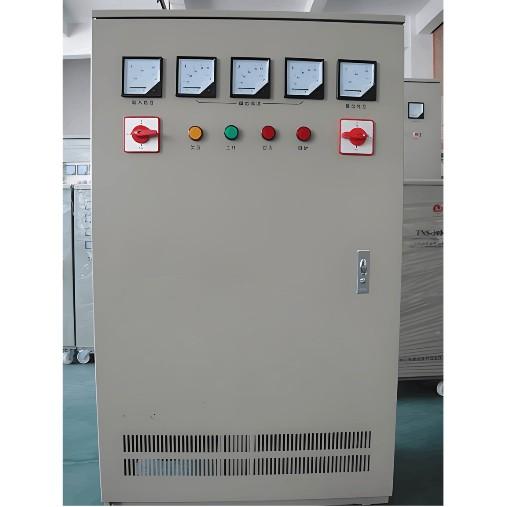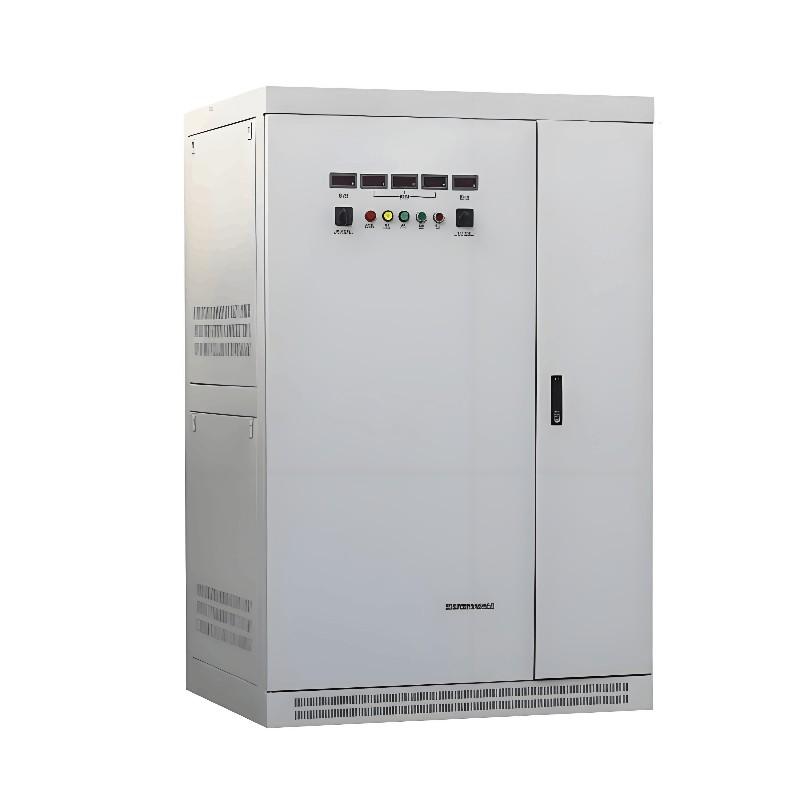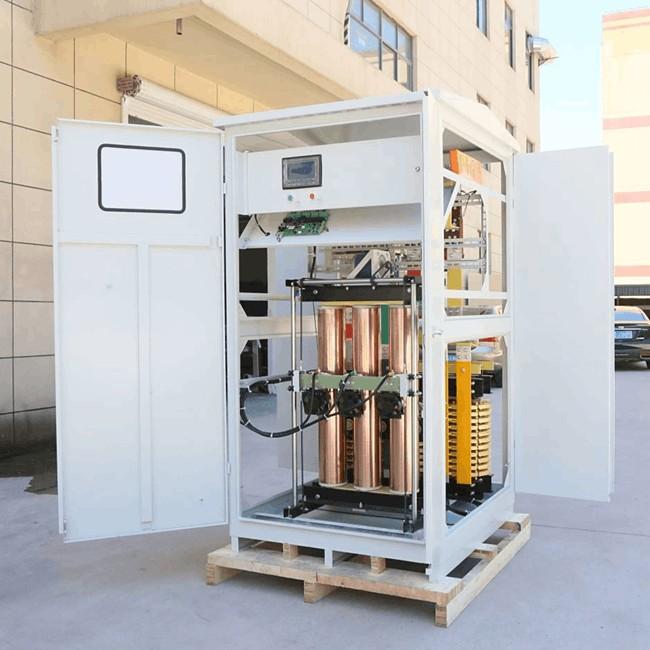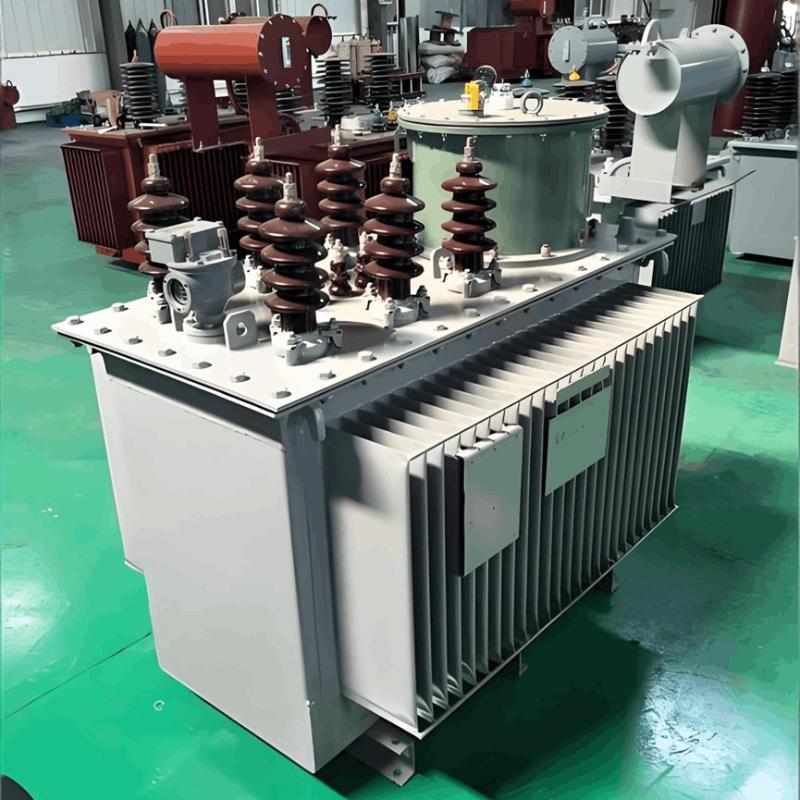
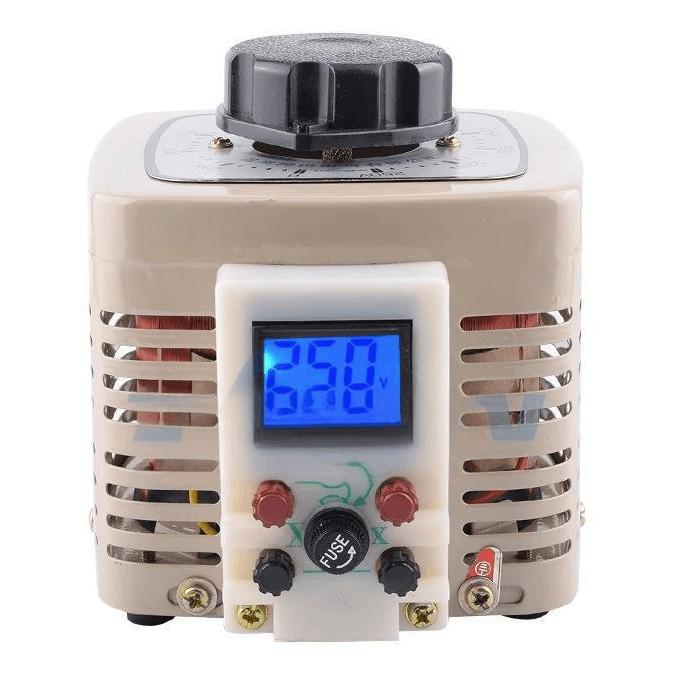
Ang isang single-phase autotransformer voltage regulator usa ka kasagaran nga electrical device nga gi gamit sa mga laboratory, industriya, ug mga appliance sa balay. Gitataasan ni kini ang output voltage pinaagi sa pagbago sa input voltage ug naghatag og mga advantage sama sa simple nga structure, mataas nga efficiency, ug murang gasto. Apan, ang dili maayo nga paggamit mao ang mahimong magdulot sa pagkawala sa performance sa equipment ug mahimo usab nga magdulot sa safety hazards. Kini nga, ang pag-master sa tama nga operating procedures kay importante.
1. Basic Principle of Single-Phase Autotransformer Voltage Regulators
Ang single-phase autotransformer voltage regulator usa ka espesyal nga klase sa transformer nga adunay usa ra ka winding, diin ang input ug output nag-share og bahin sa sama nga coil. Pinaagi sa pag-move sa usa ka sliding contact sulod sa winding, gitataasan ang turns ratio aron mapag-adjus ang output voltage. Kumpara sa mga conventional transformers, ang mga autotransformers walay kinahanglanon sa separate secondary winding, resulta niania usa ka mas compact nga size ug mas mataas nga efficiency. Apan, sila usab nagdumala og certain safety risks—tungod kay wala gyud kay electrical isolation tali sa input ug output, ang risk sa electric shock mahimong mas taas.
2. Preparations Before Use
Inspect the external condition: Bago gamiton, suriha ang eksternal nga kondisyon sa regulator alang sa bisan unsang damage, deformation, o oil leakage. Kon ania nga abnormalidad makita, ihapsay ang paggamit agad ug kontakha ang qualified technician alang sa inspeksyon.
Verify rated specifications: Suriha ang nameplate aron matubag kung ang rated input voltage, output voltage range, ug maximum load current molihok sa imong pangutana. Dili mobati ang operasyon sa dili sa rated capacity, tungod kay kini mahimong magdulot sa overheating o burnout.
Select an appropriate power source: Siguraduhon nga ang supply voltage ug frequency molihok sa rated values sa regulator. Tumong, kon ang device rated para sa 220V input apan ang aktwal nga supply 380V, kinahanglan ug step-down transformer bago i-connect sa autotransformer.
Grounding protection: Tungod kay ang input ug output sa autotransformer nag-share og common ground, ang enclosure kinahanglan ng lig-on nga grounded aron maprevent ang electric shock tungod sa leakage current.
3. Correct Wiring Method
Input terminal connection: Iconnect ang live wire (L) ug neutral wire (N) gikan sa power source sa input terminals sa regulator, kasagaran na-mark “L” ug “N” o “Input.” Pahibaloa sa polarity ug ayaw ibalik ang connections.
Output terminal connection: Iconnect ang load equipment sa output terminals, kasagaran na-mark “Output” o “U, V.” Ang output voltage mahimong mapag-adjus pinaagi sa pag-rotate sa voltage control knob.
Avoid short circuits: Durante sa wiring, siguraduhon nga wala gyud short circuit sa output terminals. Ang short circuit mahimong magdulot sa sudden surge sa current, potensyal nga makadaog sa regulator o fire.
4. Operational Precautions
Adjust voltage gradually: Sa panahon sa pag-adjust sa output voltage, pag-rotate sa control knob ng dili mosugyot aron maprevent ang rapid o large changes. Ang sudden voltage shifts mahimong magdulot sa electrical stress sa load, lalo na ang sensitive instruments o electronic devices.
Monitor load current: Patuloy nga monitor kung ang load current molihok sa rated range sa panahon sa operasyon. Ang excessive current nagpakita og overloaded condition; bawason ang load o ihapsay ang paggamit sa device agad.
Prevent overheating: Ang regulator mahimong mag-init sa panahon sa prolonged full-load operation. Kon ang unit maging sobrang init, ihapsay ang paggamit ug investiga ang cause. Consider adding a cooling fan or reducing the load if necessary.
Avoid no-load operation: Ang autotransformer voltage regulators dili mobati mogamit sa no-load conditions sa higayon, tungod kay kini mahimong magdulot sa internal coil overheating o damage.
5. Common Problems and Solutions
Unstable output voltage: Kini mahimong gipasabot sa poor contact sa control knob o worn carbon brushes. Inspect the contact condition and replace the brushes if necessary.
Abnormal noise: Kon ang regulator mag-emits og “humming” sound o other unusual noises sa panahon sa operasyon, ang internal winding mahimong loose o ang core dili mubo. Ihapsay agad ug inspect.
Electric leakage: Kon ang enclosure mag-energize, ang grounding mahimong dili maayo o ang internal insulation damaged. Disconnect power immediately and perform maintenance.
6. Maintenance and Care
Regular cleaning: Ang dust ug dirt mahimong mag-impose sa heat dissipation. Regularly clean the surface with a dry cloth; avoid using wet cloths or chemical solvents.
Inspect terminal connections: Periodically check the tightness of input and output terminals to ensure secure connections and prevent overheating or arcing due to poor contact.
Lubricate the adjustment mechanism: Kon ang control knob mao ang stiff, apply a small amount of lubricant to the shaft—but take care not to contaminate the windings or other electrical components.
Storage environment: Bila gamiton, store the regulator in a dry, well-ventilated area, away from moisture and high temperatures.
7. Mga Rekomendasyon sa Kaligtasan
Pagdagan ug protektibong mga gamit: Sa pag-operasyon sa mga regulator nga may mataas nga voltya o pwersa, idaghan ug mga insuladong guantes ug goggles para mabatangan gikan sa kuryente o flash arc.
Huwag padan-on ang mga materyales nga madaling masunog: Ang regulator maaaring mag-init sa panahon sa operasyon; huwag ito padan-on sa papel, tela, ug uban pang combustibles.
Ipadayon gikan sa mga bata: Ibutang ang device sa lugar diin dili makakapunta ang mga bata aron maprevent ang accidental na operasyon ug potensyal nga mga panganib.
8. Mga Halimbawa sa Aplikasyon
Paggamit sa laboratoryo: Sa mga eksperimento sa elektronika, ang mga autotransformer voltage regulators naghatag og variable AC voltya aron testiha ang performance sa device sa iba't ibang kondisyon sa voltya.
Industriyal na produksyon: Sa machining o electroplating industries, gigamit sila aron kontrolhon ang power output sa mga motors o heating equipment.
Mga aparato sa tahanan: Ang uban ka mga lumang aparato sensitibo sa mga fluctuation sa voltya; ang paggamit sa voltage regulator makapagtubok sa power supply ug palapason ang buhok sa aparato.
Sa kabulawan, ang single-phase autotransformer voltage regulator usa ka praktikal ug efektibong electrical device, pero kinahanglan nga gamiton niini ngadto sa maong operational guidelines. Ang maayo nga wiring, reasonable load management, ug regular maintenance siguradohan ang safe, reliable operation ug palapason ang service life. Ang mga user nga wala familiar sa electrical principles dapat lang magoperasyon sa device sa guidance sa qualified personnel aron maprevent ang damage sa equipment o personal injury.