Minimum Operating Voltage for Trip and Close Operations in Vacuum Circuit Breakers
1. Introduction
When you hear the term "vacuum circuit breaker," it might sound unfamiliar. But if we say "circuit breaker" or "power switch," most people will know what it means. In fact, vacuum circuit breakers are key components in modern power systems, responsible for protecting circuits from damage. Today, let's explore an important concept — the minimum operating voltage for trip and close operations.
Though it sounds technical, this simply refers to the lowest voltage at which a circuit breaker can reliably operate. In other words, it determines whether the breaker can successfully complete its switching task — a critical factor in ensuring system reliability.
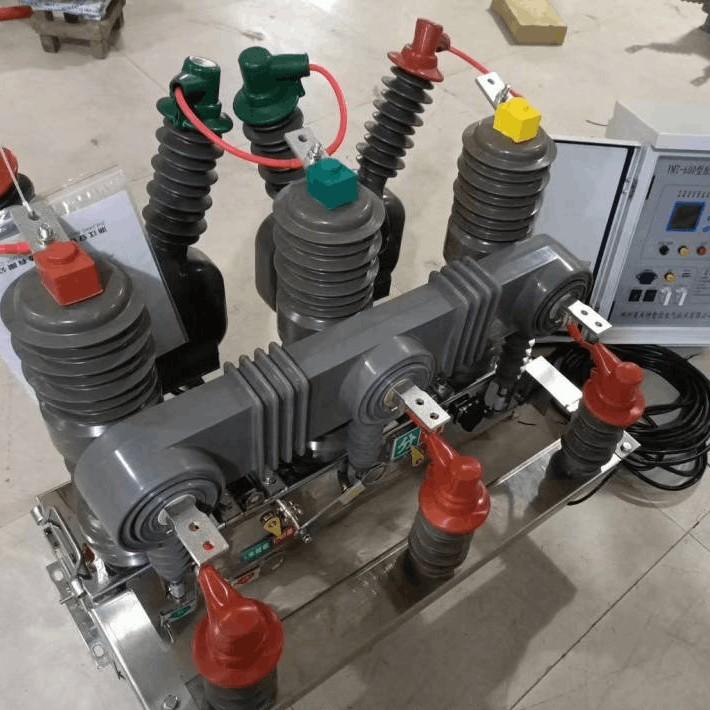
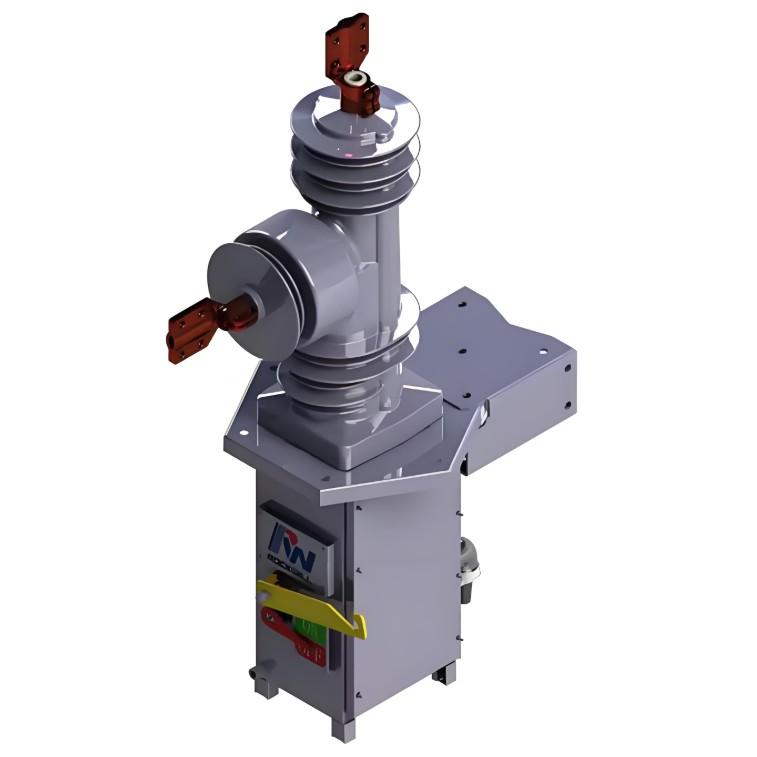
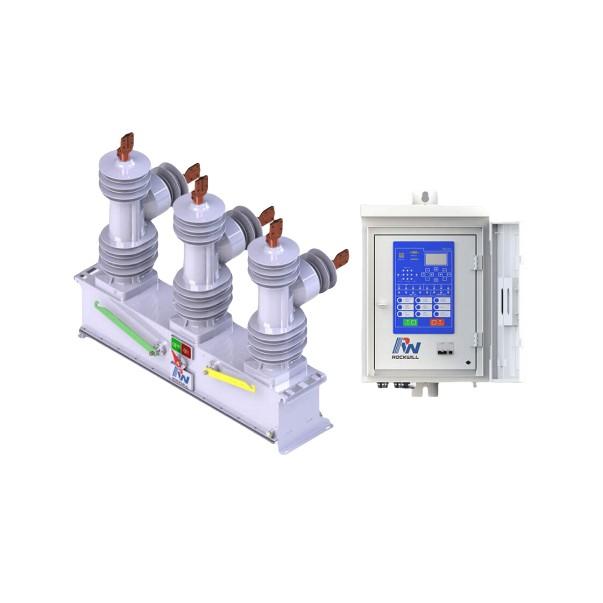
A vacuum circuit breaker may look like a small box, but it acts as a superhero in power systems. Its primary function is to rapidly interrupt the circuit when faults such as short circuits occur, thereby protecting equipment and personnel.
Imagine a sudden fault in the power system — the vacuum breaker responds like a lightning-fast security guard, instantly removing the faulty current from the circuit before damage occurs.
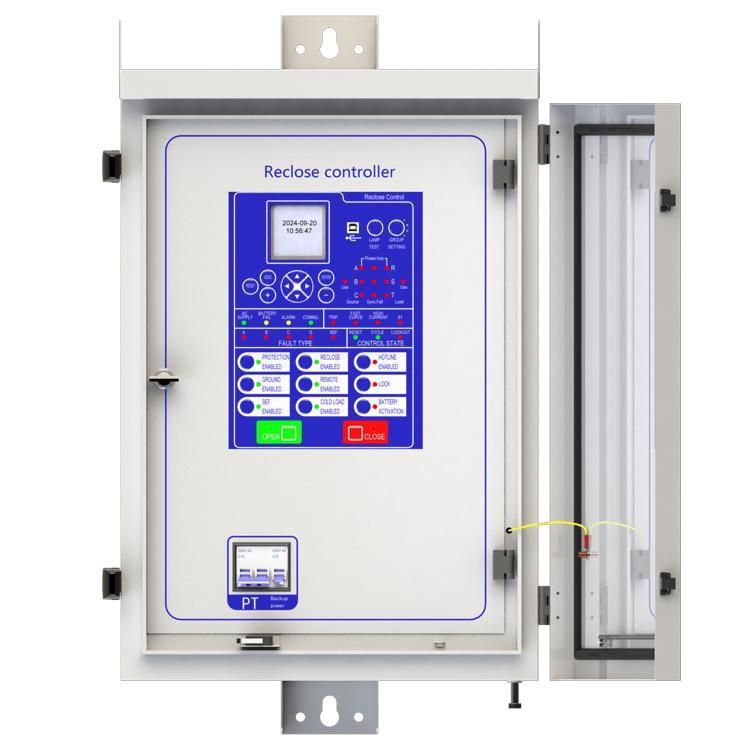
The minimum operating voltage defines the lowest control voltage required for the breaker to perform a successful trip or close operation. If the supply voltage falls below this threshold, the breaker may fail to act — just like your smartphone shutting down during an important call due to low battery.
Ensuring sufficient operating voltage is essential for reliable switching performance under all conditions.
3. Voltage Requirements for Trip and Close Operations
3.1 Trip Voltage
"Trip" refers to the process of opening the circuit. To achieve this, the breaker’s operating mechanism requires sufficient voltage to generate the necessary electromagnetic force. If the voltage is too low, the trip coil may not produce enough power to release the latch and open the contacts.
This is similar to starting a car — without enough fuel, the engine stalls. Likewise, insufficient voltage can cause trip failure, leaving the circuit energized during a fault, which poses serious safety risks.
"Close" involves re-closing the circuit after a trip. This operation also demands adequate voltage to ensure the closing mechanism fully engages and establishes a stable connection.
Think of playing a game where both power availability and stability matter. If the control voltage is unstable or too low, the breaker may fail to close completely — meaning the circuit doesn’t return to normal operation, requiring repeated attempts or manual intervention.
4. Selection of Minimum Operating Voltage
4.1 Standard Specifications
International standards (such as IEC 62271-1 and IEEE C37.09) specify that:
The breaker should operate reliably at 85% of rated control voltage for closing.
It should trip successfully at 70% of rated voltage.
Operation below 65% is generally not guaranteed.
These thresholds ensure that the breaker performs reliably even under fluctuating or degraded control power conditions.
In real-world applications, the choice of minimum operating voltage depends on the specific requirements of the power system.
For example, in facilities with high load currents or long control cables, voltage drop can reduce the effective voltage reaching the coil. In such cases, selecting a breaker with a lower minimum operating voltage or using higher-rated control voltage (e.g., 220V instead of 110V) helps avoid misoperation.
Additionally, environments with extreme temperatures, humidity, or vibration may require enhanced coil designs or auxiliary boost circuits to maintain reliable operation.
5. Conclusion
While the concept of minimum operating voltage for trip and close operations may seem technical, it plays a crucial role in the safe and stable operation of power systems. Understanding its significance and selection criteria allows engineers and operators to make informed decisions.
Just as attention to detail improves daily life, meticulous control of electrical parameters ensures system resilience. Next time you see a circuit breaker, remember — it's not just a simple switch. It's a critical safeguard, and its ability to operate at the right voltage could mean the difference between safety and failure.
Don't underestimate the importance of minimum operating voltage — it might just save your system when it matters most.