I. Pêşnûmak
Di salên dawî de, bi derbarên guhertina pêşgotinên elektrik, stasyonên gihandine, wekî nîvankên herî bûyerîn di sistemê de, rola serpil dikin ji bo îmankirina piştguhên kurdanî ya hêzên elektrikê leh meyî yên evdar û istikrar. Parzûna pêşgirî wekî pardeyek yekemîn di pêşgiriyayê de xizmet dide. Serakîbûna û çepa parzûna pêşgirî direkî tê gotin da ku hêza elektrik êk bistîne. Buna, destpêkirina agahdariya rastîn û çepa parzûna pêşgirî stasyonan, anîn da ku wan vebendekan û çareseriyekan berdest bikin, ew li ser îmankirina piştguhên kurdanî ya hêza elektrikê werdigehîne.
Rêzikên cihêdanî ya vebendekan parzûna pêşgirî zêdetir lê tevistin da ku hêsan ve girîng bikin û pêşniyarekên rêgîn bigirin. Ev rêzikên nîvender û kerîger neke bin, wan neke şopandinên demekî bibin. Bi navberdina teknolojîya zanyarî, paqê teknolojîya komputer û komunikasyon, sisteman modern yên cihêdana agahdariya vebendekan parzûna pêşgirî stasyonan destpêk kirin da ku rêzikên otomatîk bikin. Bi kereta cihanî yên daneyan, wan dikarin şopandinên demekî bibin û vebendekan çep dibin.
Buna, vê belgeya parzûnan sistema cihêdana agahdariya vebendekan parzûna pêşgirî stasyonan baz bike di teknolojîya zanyarî de, û li ser struktura hardwera, dizaynê softwere, û netayijan experimentî detayî têne kirin.
II. Dizaynê Struktûra Hardwera
(1) Kompyuterê Host
Dizaynê kompyuterê host direkî tê gotin da ku performansa sîsteman bistîne. Struktura hardwera wê C8051F040 microcontrollerê ji bo processorê keyî ye. C8051F040 microcontroller ekîlîkî performansa herî bûyer û guharî ye ku resûrse yên periferîkên zaf û digital yên berfetandî hatîn, kanalên timer/counter, UART, SPI, û I2C komunikasyon, jî bîn. Wan merhalek din dikarin C8051F040 ji bo processorê keyî kompyuterê host bûyer bikin, bi tenê ku hewceyên data processingê çep û kontrolê mafiqîn bide.
Bi tenê ku şopandinên demekîya sîsteman bide, birîka monitorê performansa herî bûyer hatîn di dizaynê kompyuterê host de. Birîka ya vê unitê ADC (Analog-to-Digital Converter) û DAC (Digital-to-Analog Converter), kanalên voltage/current monitoring hatîn. Wan dikarin parametrekan elektrikîyan cihanî bibin û bi rêzikên vebendekan bide.
Bunê, kompyuterê host divê bi kompyuterê lower û merkezê monitorê dervehatiye. Dizaynê interfaceên komunikasyonê, wek RS-232, RS-485, û Ethernet hatîn. Interfacekê şopandinên data û kontrolê dervehatiya bide.
Bi tenê ku operatoran bide monitor bikin û kontrol bikin, kompyuterê host LCD display screen û keyboard hatîn. Operatoran dikarin bi interfacekê vê bide statusê sîstemê bide.
(2) Sensorê Detektora Insulation
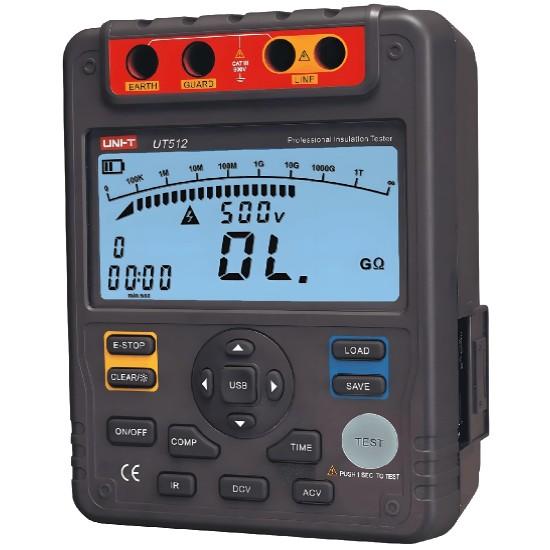
Bi tenê ku hewceyên renovationê sîstemê DC ya stasyonan û elektrikên kesî hatîn, staff dikarin sensorê insulation detektora precision high û detachable design bikin. Bi teknolojîya elektronîk û materialên berfetandî, sensorê precision high, stability high, û lifetime long hatîn, û wan dikarin stabîl bikin lê tevî envîronmenta çewt.
Precision high ekîlîkî keyî ye sensorê detektora insulation. Bi algoritma detektora advanced û componentên elektronîk, wan dikarin rastîn detekt bikin, li ser accuracy û timeliness ê agahdariya vebendekan bide.
Bi upgrade û renovationê insulation devices ê sîstemê DC ya stasyonan û elektrikên kesî, û bi karibenda sensorê insulation detektora precision high û detachable, îmankirina sîstemê bûyer bikin. Sensoran dikarin detekt bikin û bide vebendekan, li ser prevent bikin accidents.
(3) Modulê Early Warning Detection
Bi tenê ku accuracy û response speed ê early warning bûyer bikin, modulê ji bo integre bikin dual mechanism ê active early warning û passive early warning.
Active early warning refer to proactive detection of electrical parameters by the system. Once the parameters deviate from the normal range, an early warning signal will be immediately triggered. Active early warning usually relies on high-performance sensors and data collection devices. These devices can monitor key parameters such as current, voltage, and frequency in real-time and analyze the relevant data through built-in algorithms to determine whether there are potential fault risks. Passive early warning, on the other hand, involves analyzing relevant electrical parameters and issuing an early warning signal after the system receives external signals. For example, when the relay protection device in the substation operates, the passive early warning module will be activated immediately to analyze the cause of the operation and determine whether further processing measures are required, as shown in Figure 1.
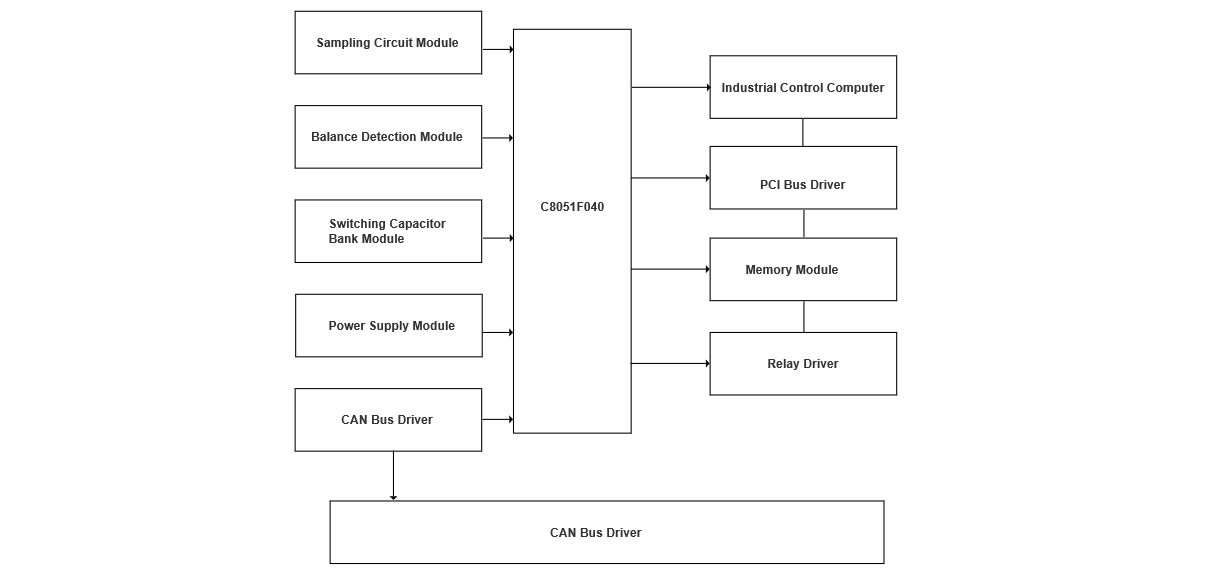
Şekil 1 Dizaynê Struktûra Hardwera
Di dizaynê struktûra hardwera modulê early - warning detection de, combina active early - warning û passive early - warning dikarin bûyer bikin ability ê early - warning û response speed ê sîstemê. Active early - warning dikarin monitor bikin parametrekan elektrikîyan cihanî û çep bide potential fault risks; while passive early - warning dikarin react çep bi specific events û conduct in - depth analysis ê fault causes.
Bi tenê ku effective combine bikin two early - warning methods, following key elements need to be considered in the hardware design:
Selection ê sensors û data collection devices: High - precision sensors û data collection devices must be selected to ensure data accuracy.
Data processing û analysis capabilities: The early - warning monitoring module should have powerful data processing û analysis capabilities to quickly identify abnormal data û make early - warning judgments.
Communication interfaces û protocols: The module should support multiple communication interfaces û protocols to facilitate data exchange with other systems or devices.
Reliability: The hardware design should ensure that the module can operate stably in extreme environments û adopt necessary safety measures to prevent misoperation û unauthorized access .
III. Dizaynê Softwere Sîstemê
(1) Simulation Modeling ê Fault Load Characteristics
The core of the substation relay protection fault information detection system lies in its software structure design, especially the construction of static and dynamic load models. These models aim to describe the active and reactive power of the load during system operation, as well as the slow changes in voltage and frequency, and are usually expressed using polynomial models. The static load model is usually expressed as:

where P and Q represent active and reactive power respectively, V is the voltage, P0, Q0, V0are the values in the reference state, and n and m are the load characteristic coefficients.
The dynamic load model is relatively complex. It takes into account the dynamic response of the load to changes in voltage and frequency, including multiple time constants to simulate the response speed of the load to voltage and frequency changes. The dynamic load model can be expressed as a series of differential equations that describe the rate of change of load power over time.
In the software structure design, these models are integrated into the relay protection fault information detection system to monitor and analyze the operation status of the substation in real - time. The system collects real - time data, including current, voltage, power, etc., and uses these models for calculations to scientifically identify potential fault conditions .
(2) Fault Information Collection
To ensure the reliability of relay protection equipment, the design of the fault information detection system is of particular importance, especially the part of fault information collection. This part is usually divided into three modules: steady - state information collection, transient information collection, and status file management.
The steady - state information collection module is mainly responsible for collecting the electrical parameters of the substation during normal operation, such as voltage, current, power, etc. These data are the basis for evaluating the operation status of the power grid and also important for fault analysis and prediction. This module usually includes three sub - modules: data collection, data processing, and data storage. The data collection sub - module obtains electrical parameters in real - time through the interface with the substation monitoring system; the data processing sub - module conducts preliminary analysis on the collected data, removes abnormal values, and formats the data; the data storage sub - module stores the processed data in a database for subsequent analysis.
The transient information collection module focuses on capturing transient events in the power grid, such as short - circuits, open - circuits, and other faults. These transient events are often accompanied by sharp changes in electrical parameters, so high - speed and high - precision data collection equipment is required. This module usually includes three sub - modules: high - speed data collection, transient event identification, and event data storage. The high - speed data collection sub - module can record the changes of electrical parameters with a microsecond - level resolution; the transient event identification sub - module judges whether a fault has occurred and accurately identifies the fault type according to preset algorithms; the event data storage sub - module stores the identified fault information in a specific database, which is conducive to in - depth analysis by the staff.
The status file management module is responsible for the management and maintenance of the status files of the substation relay protection equipment, and it records key information such as the configuration details, operation status, and historical fault records of the protection equipment in detail. It mainly includes four sub - modules: status file generation, update, query, and backup. The generation sub - module generates an initial status file according to the actual configuration of the protection equipment; the update sub - module updates the status file when the equipment parameters or configuration change; the query sub - module allows users to query the information in the status file; the backup sub - module regularly backs up the status file to effectively avoid data loss.
(3) Fault Information Detection
When the station control layer receives the alarm information "A - line merged network connection error" from the relay protection, the system should immediately start the fault information detection process to confirm whether this alarm is the sole source, that is, whether other devices have also issued similar alarms . In this example, if other devices do not issue alarms, the system will focus on the information of "A - line merged network connection error".
To process and analyze fault information more effectively, the system designs five combinations of virtual terminals and fault nodes, as shown in Table 1.

Each virtual terminal is responsible for different tasks, from monitoring the network connection status to providing solutions, forming a complete fault handling process. Through the above software structure design, the substation relay protection fault information detection system can effectively detect fault information and ensure the safe operation of the substation. Especially when receiving the alarm of "A - line merged network connection error", the system can respond quickly and take corresponding measures to minimize the impact of the fault on the power system .
IV. Experimental Verification
(1) Network Topology Structure
The network topology structure design of the relay protection fault information detection system for the 500 kV substation put into operation in 2023 strictly adheres to the core principles of high reliability, high availability, and easy maintenance. This system adopts a hierarchical and distributed network architecture, and its implementation steps are well - organized, mainly including the following links.
Data collection: Through sensors and data collection devices installed at various key nodes of the substation, the operation data of the relay protection devices are collected in real - time.
Data transmission: Using network communication technology, the collected data are transmitted to the data processing center in a timely and accurate manner.
Data analysis: In the data processing center, high - performance computers and professional analysis software are used to analyze the data, identify abnormal patterns and potential faults.
Fault diagnosis: Once an abnormality is detected, the system automatically conducts fault diagnosis to determine the type and location of the fault.
Alarm and response: The system notifies the operation and maintenance personnel of the fault information through the alarm system and provides preliminary fault handling suggestions.
Fault handling: The operation and maintenance personnel can quickly take measures to handle the fault according to the fault information and suggestions provided by the system, thus ensuring the stable operation of the power grid.
(2) Experimental Results and Analysis
Two detection systems were used in the experiment: one is the conventional substation relay protection secondary circuit on - line detection system based on the SCD file, and the other is the substation relay protection fault information detection system based on spatio - temporal analysis. Both systems were tested in the same substation environment to ensure the comparability of the results [8].
The experimental data show that the maximum insulation voltages of the positive and negative busbars measured by the detection system based on the SCD file are 192.1 V and 191.4 V respectively, while the corresponding values measured by the detection system based on spatio - temporal analysis are 190.3 V and 210.23 V respectively. The specific data are shown in Table 2.

From the experimental results, it can be seen that the detection system based on spatio - temporal analysis has a slightly lower maximum insulation voltage value for the positive busbar compared to the detection system based on the SCD file, but a slightly higher value for the negative busbar. This indicates that the detection system based on spatio - temporal analysis can provide more accurate measurement results in certain situations. However, this difference is not significant. Therefore, to gain a more in - depth understanding of the performance differences between these two systems, it may be necessary to further collect and analyze a large amount of experimental data.
V. Conclusion
The new substation relay protection fault information detection system designed and studied in this paper can monitor the working status of relay protection devices in real - time, automatically analyze and diagnose fault information, and promptly transmit the fault information to operation and maintenance personnel through network communication technology. This enables them to take prompt measures to prevent the expansion of faults and ensure the safe and stable operation of the power system.