1.Innovative nga Struktura sa Paghulagway para sa 10 kV-Class na High-Voltage High-Frequency Transformers
1.1 Zoned ug Partially Potted Ventilated Structure
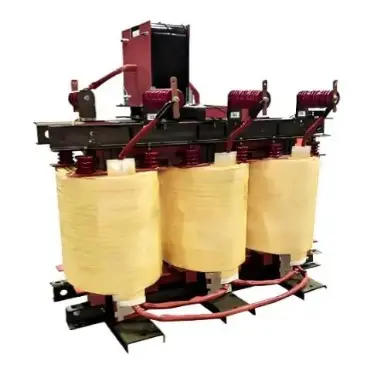
Duha ka U-shaped ferrite cores gitipon aron makabuo og magnetic core unit, o mahimong mas mapasabot pa isip series/series-parallel core modules. Ang primary ug secondary bobbins gibuto sa wala ug padulong nga straight legs sa core, bisan saang ang mating plane sa core ang boundary layer. Ang mga winding sa parehas nga klase gisugyot nga ibuto sa parehas nga bahin. Ang Litz wire gisugyot isip materyales sa paghulagway aron makabawasan ang high-frequency losses.
Ang high-voltage winding (o primary) lamang ang gi-full potted ngadto sa epoxy resin. Isip panigting sa insulation, gisugyot ang pagbutang og PTFE sheet tali sa primary ug core/secondary. Ang surface sa secondary gipabalhin ngadto sa insulating paper o tape.
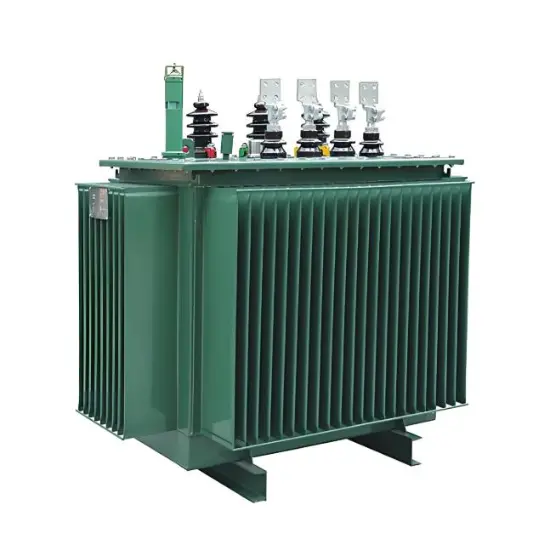
Tungod sa pagretain sa ventilation channels (gaps tali sa windings ug tali sa secondary windings sa wala ug padulong nga legs) ug gaps tali sa magnetic cores, ang disenyo niini nakapwerte sa pag-improve sa heat dissipation samtang nagbawas sa weight ug cost, tanang hinaut nagmaintain sa dielectric strength—makahimong maayo alang sa ≥10 kV isolation applications.
1.2 Modular Design ug Grounded Litz Wire Electric Field Shielding
Ang high-voltage ug low-voltage winding modules gipot individual ug sunod-sunod gibuto sa core unit. Gi-maintain ang air gaps tali sa mga module aron makatubag sa assembly ug cooling, ug ang damaged modules mahimo nga i-replace individual sa panahon sa faults, nagpadayon sa maintainability.
Ang grounded Litz wire-based electric field shielding layers gipasabot sa duha ka bahin sa high-voltage winding. Kini nag-limit sa high-frequency electric field sa primary region sa high-dielectric-strength epoxy-potted, nagresulta sa significant reduction sa partial discharge (PD) risk sanhang dili kinahanglan og excessive winding spacing isip lang sa electric field suppression.
Ang Litz wire shielding layer mahimo nga ibutang open-circuited uban single-point grounding, naka-shape sa electric field samtang nagavoid sa significant eddy current losses. Gi-maintain ang ventilation channels tali sa windings ug core, nag-enable sa semi-ventilated cooling ug miniaturization sa sama nga oras.
1.3 Segmented Winding ug Electric Field Shaping
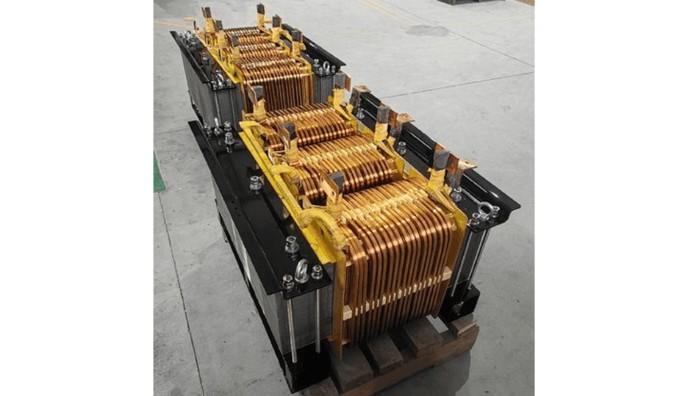
Gidugangan ang coaxial sleeves ug segmentation ribs sa insulating bobbin, gihatagan ang primary ug secondary windings sa “segment groups.” Kini nagresulta sa significant reduction sa inter-layer voltage gradients ug equivalent parasitic capacitance, nag-suppress sa conducted EMI ug nag-improve sa uniformity sa voltage distribution.
Ang numero sa segments n ug layer count nadetermine pinaagi sa analytical o empirical formulas (e.g., n = −15.38·lg k₁ − 18.77, diin k₁ ang minimum value tali sa primary/secondary self-capacitance ug mutual capacitance ratios), nakuha ang optimal trade-off tali sa volume, leakage inductance, ug parasitic capacitance—ideal para sa high-power, high-voltage, high-frequency operation.
1.4 Composite Windings ug Integrated Water Cooling
Ang core gihatagan og duha ka winding zones. Gisugyot ang composite winding approach: ang unang composite winding (e.g., primary) gihulagway gikan sa inner hangtod sa outer layers uban leads reserved; pagkatapos, sa ikaduhang zone, ang ikaduhang composite winding (e.g., secondary) gihulagway sa reverse gamit ang reserved leads. Kini nag-expand sa inter-layer gaps ug nagbawas sa residual charge, nag-improve sa high-voltage reliability ug lifespan.
Ang relief slots giproseso sa outer core wall aron ma-integrate ang non-contact water-cooling channels, nag-improve sa thermal performance sanhang dili nag-risk sa mechanical damage sa panahon sa assembly. Ang composite insulation gisugyot ang PI/PTFE laminates arranged sa stepped configuration aron mabati ang adequate creepage distance ug high-quality potting fill.
1.5 Novel Winding Techniques ug Loss Control Pathways
Ang PDQB (Power Differential Quadrature Bridge) winding technology gipasabot: pinaagi sa optimized winding topology ug layout, ang skin ug proximity effects—and thus high-frequency losses—nagresulta sa significant suppression. Kini nakamit ang coupling efficiency >99.5% sa reported cases, uban 10 kV isolation capability, controllable leakage inductance, ug low distributed capacitance—makahimong maayo alang sa customized 30–400 kW, 4–50 kHz high-voltage high-frequency applications.
2. Common Winding Structures for 10 kV-Class High-Voltage High-Frequency Transformers
2.1 Basic Winding Configurations ug Application Scenarios
Multi-layer cylindrical: Mature manufacturing process; easy to insert inter-layer insulation ug cooling channels; suitable for medium-to-high voltage continuous windings.
Multi-segment layered: Multiple axial segments separated by insulating paper rings; effectively reduces inter-layer voltage gradient ug field concentration; commonly used in HV windings to mitigate partial discharge.
Continuous (disc-type): Composed of multiple disc sections stacked axially; offers good mechanical strength ug thermal performance; suitable for high-capacity/higher-voltage applications.
Double-disc: Two discs per group, connected in series/parallel; ideal for high-current or special-purpose HV windings.
Helical: Single/double/quadruple helix; simple structure; suitable for high-current LV windings or on-load tap-changing windings; limited in turn count.
Aluminum foil cylindrical: Bawon nga pagkulo sa bawang layer gamit ang aluminum foil; mataas nga paggamit sa espasyo ug maayo para sa awtomatikong proseso; angay sa small-to-medium HV windings.
Kini mao ang standard HV winding structures sa power transformers ug adunay bisan unsa nga giusab o gibag-o aron mopalambo sa insulation ug thermal performance alang sa 10 kV-class high-voltage high-frequency transformers.
2.2 Typical Winding Layouts and Processes for High-Voltage High-Frequency Applications
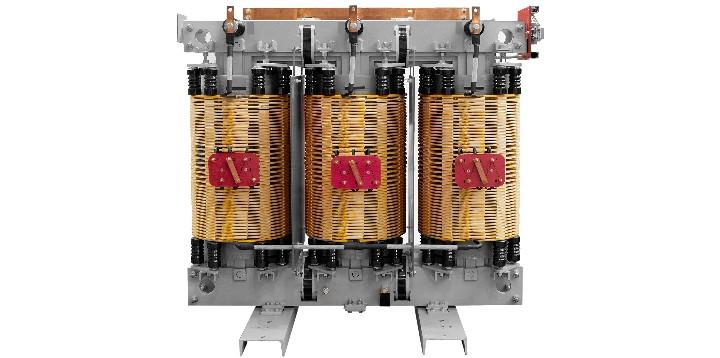
Concentric cylindrical (layered) arrangement: HV winding sa sulod, LV sa labas (o vice versa); multi-layer design uban inter-layer insulation aron distribusyon sa mataas nga potential differences; segmented layout mahimong gamiton aron mopalambo sa electric field distribution ug PD performance.
Segmentation and interleaving: HV winding gi-divide ha daghang coils ug gisunod sa staggered/segmented fashion aron mapugos ang inter-layer voltage gradient ug parasitic capacitance, supress conducted EMI, ug mopalambo sa voltage uniformity.
Faraday and electrostatic shielding: Copper foil o conductive layers gitakda tali sa primary/secondary o sa palibot sa windings, grounded sa usa ka punto, aron mapugos ang common-mode capacitance ug coupling noise; shielding kinahanglan match sa winding width ug iwas sa sharp edges nga mahimong magpukgot sa insulation.
Conductor and current density optimization: Litz wire, stranded conductors, o copper foil ang mas preferible alang sa HV/high-current secondaries aron supress skin/proximity effects, mapugos ang AC resistance (Rac) ug copper loss; current density (J) ug temperature rise gi-control sa window ug safety regulation limits.
Insulation and creepage design: Paggamit sa barriers, end margins, sleeved terminals, ug combined inter-layer/inter-winding insulation; creepage distance ug clearance gigamit basehan sa pollution degree ug voltage class; vacuum impregnation/potting mahimong gamiton aron mopalambo sa dielectric strength ug thermal conductivity.
Kini nga mga layout ug process considerations labi nga nahimutang sa balancing sa insulation level, parasitic parameters, ug power rating—key aron makamit ang reliable 10 kV isolation sa engineering practice.
2.3 Implementation Methods for High-Voltage Secondary Output (Strongly Dependent on Winding Structure)
Voltage multiplier rectification: Multi-stage voltage doubling sa rectifier side mapugos ang voltage stress ug parasitic capacitance per winding stage, eases insulation design. Apan, sensitive sa load transients/short circuits ug prone sa surge currents. Sa practice, dili mas daghan sa duha ka stages ang gamiton, angailangan og current-limiting ug protection strategies.
Series/parallel combination: Ang secondary gi-split ha daghang coil packs, nga giconnect sa series/parallel internally o post-rectifier aron makamit ang desired voltage/power. Tanang packs nagshare sa sama nga magnetic circuit, facilitating modular design ug voltage balancing—ideal sa high-power output.
Ang tanang methods nangailangan og integrated design uban sa winding segmentation, shielding, ug insulation windows aron balance ang voltage stress, efficiency, EMI, ug thermal performance.
2.4 Structural Selection Guidelines (Quick Engineering Reference)
Prioritizing electric field uniformity ug PD control: Prefer segmented o continuous (disc-type) HV windings, combined uban Faraday shielding, end margins, ug barriers; vacuum impregnation/potting recommended kung necessary.
Prioritizing high current ug low copper loss: Gamiton Litz wire o copper foil sa secondary; employ interleaved o sandwich winding internally aron mapugos ang leakage inductance ug Rac; reinforce outer shielding ug insulation.
Prioritizing assembly ug maintainability: Adopt modular secondary coil packs uban sa series/parallel connections aron easy voltage balancing, testing, ug fault isolation; select voltage multiplier rectification (≤2 stages) o series/parallel combination sa rectifier side basehan sa power ug transient requirements.