Optimized SEO-Friendly Abstract: NVIDIA’s 800V DC Architecture and the Rise of Solid-State Transformers in Next-Gen AI Data Centers
On October 16, 2025, NVIDIA published its landmark white paper, “800 VDC Architecture for Next-Generation AI Infrastructure,” signaling a pivotal shift in power delivery for AI-driven data centers. As large-scale AI models and next-gen CPUs/GPUs push computational demands to unprecedented levels, rack-level power consumption has surged from 10 kW in 2020 to 150 kW in 2025—with projections exceeding 1 MW per rack by 2028.
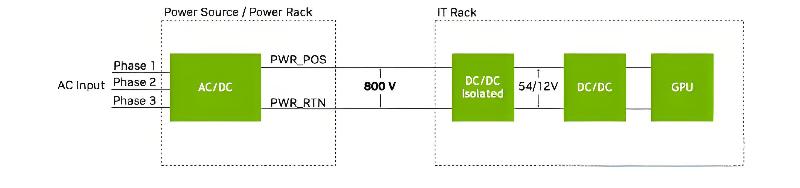
This exponential growth renders traditional 415V AC low-voltage distribution systems obsolete. In response, NVIDIA proposes a transformative upgrade: adopting an 800V DC (direct current) power architecture, enabled by a key innovation—Solid-State Transformers (SSTs).
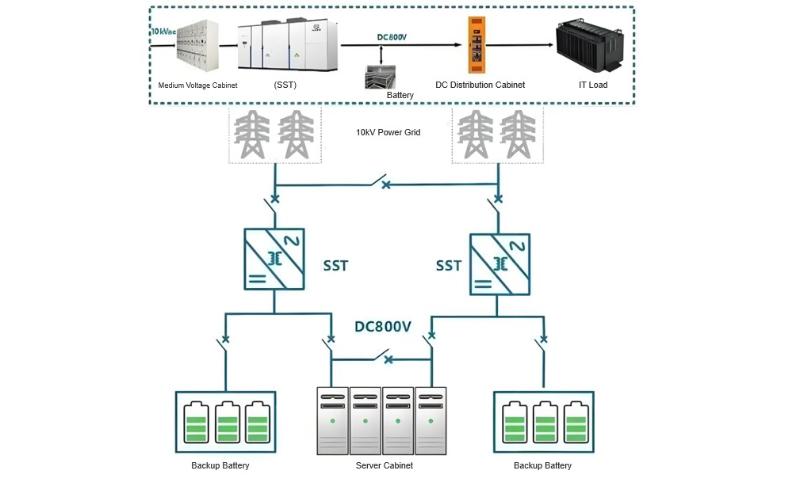
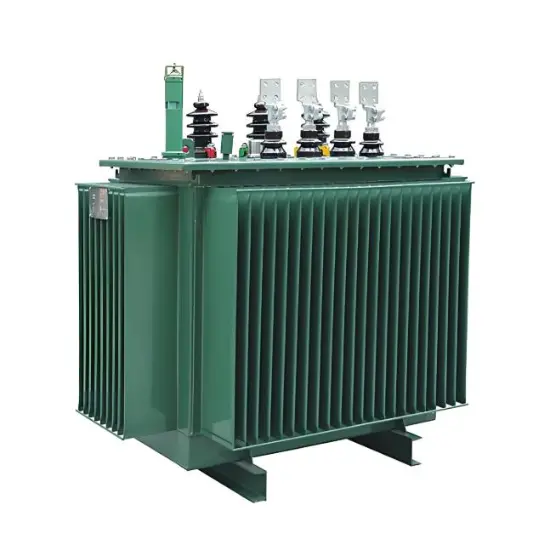
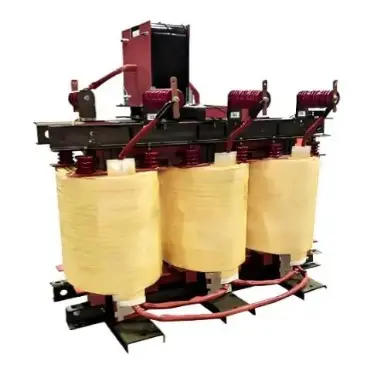
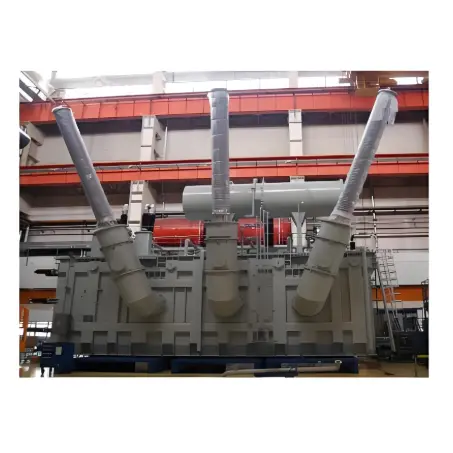
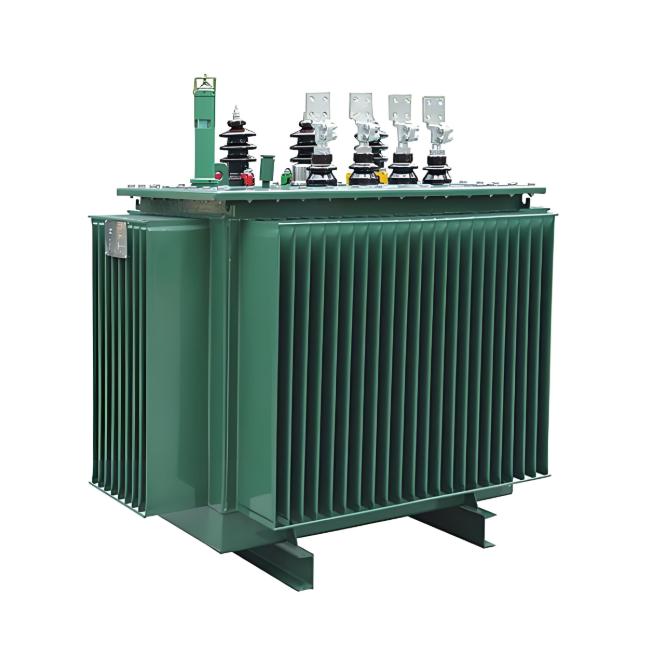
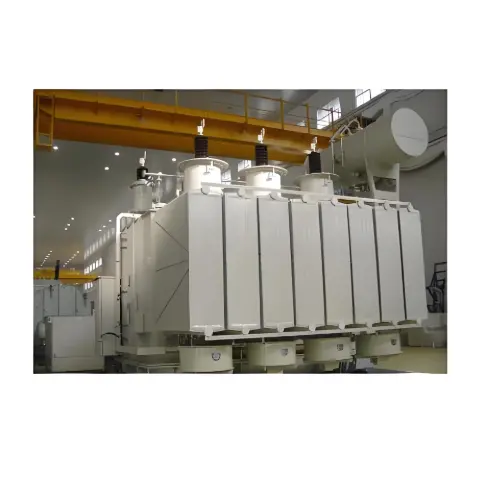
Unlike conventional iron-core transformers, SSTs convert grid-level AC (e.g., 10 kV) directly to 800V DC in a single, compact unit. This breakthrough delivers multiple advantages:
Space & Weight Savings: SSTs are significantly smaller and lighter than legacy systems.
Integrated Power Management: Built-in capabilities for reactive power compensation, harmonic filtering, and power quality control.
Elimination of Redundant Equipment: Removes the need for multiple UPS units and AC/DC conversion stages.
Higher Efficiency: Fewer power conversion steps mean lower energy losses—critical for megawatt-scale AI workloads.
Reduced Copper Usage: Higher voltage = lower current → thinner cables or busbars, cutting material costs and thermal load.
The shift to High-Voltage Direct Current (HVDC) at 800V unlocks new sustainability pathways:
Direct Battery Integration: Energy storage systems can be “direct-hung” on the 800V DC bus—bypassing inverters, reducing losses, and lowering CAPEX.
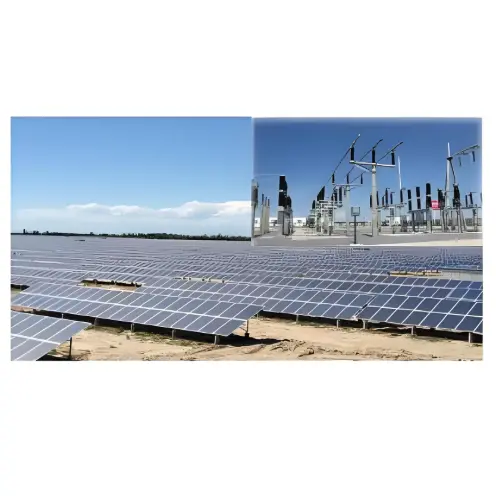
Renewable Energy Synergy: Solar PV (typically 1000–1500V DC) and wind power can feed directly into the DC grid via DC/DC converters—no AC intermediaries needed.
This architecture is a cornerstone of green data center design, aligning with global decarbonization goals.
China’s “Dual Carbon” strategy—peak carbon by 2030, carbon neutrality by 2060—is accelerating SST adoption across industrial and commercial sectors. SSTs support two key deployment modes:
AC Output Mode: Direct drop-in replacement for traditional distribution transformers.
DC Output Mode: Enables building-wide HVDC microgrids, especially for emerging “Photovoltaic-Storage-Direct-Flexible” (PSDF) systems—eliminating centralized AC/DC inverters and enabling seamless DC power distribution from rooftop solar to end loads.
Concerns about DC end-equipment availability are rapidly fading. Today’s market offers robust, standardized solutions:
Advantages for data center projects: The Solid-State Transformer (SST) can directly convert from grid AC 10 kV to DC 800 V, offering advantages such as compact size, lightweight design, and integrated functions including reactive power compensation and power quality management. HVDC systems can eliminate the need for many intermediate devices, such as UPS units.
From the data center power distribution architecture, it is clear that transitioning to HVDC (High-Voltage Direct Current) offers numerous advantages, including:
Higher voltage reduces current, directly decreasing the required amount of copper cabling or busbars.
Significant reduction in distribution equipment, eliminating the need for numerous traditional UPS units.
Substantial reduction in auxiliary facility space— for megawatt-scale per-rack data centers, conventional electrical rooms would otherwise occupy far more area than the main server rooms.
Improved conversion efficiency: SSTs themselves are significantly more efficient than traditional transformers, and with far fewer power conversion stages in the overall system architecture, energy losses are considerably reduced.
| Application | DC Voltage Level | Key Features |
| Electric Vehicles (EVs) | 400V → 800V+ DC | Ultra-fast charging, bidirectional V2G (vehicle-to-grid), high-power density |
| Solar PV Systems | 1000–1500V DC | Mature DC switchgear, combiner boxes, fuses |
| Energy Storage | Compatible with 800V DC | Direct grid connection without inverters |
| HVAC Systems | 375V DC (commercial) | Major Chinese manufacturers already offer DC-compatible units |
| Lighting & Outlets | Low-voltage DC (e.g., 48V/375V) | Widely deployed in smart buildings |
Domestic SST Adoption Is Already Underway
Chinese equipment manufacturers have launched commercial-grade Solid-State Transformers, now being deployed in real-world applications—including AI data centers, industrial retrofits, and green building projects. This positions SSTs not as a future concept, but as a deployable, scalable solution for today’s energy transition.