Bêyên destpêkên AC da ku ji bo bêtirina jorîna hêvî ya dawî yên, çendî yekem têne dihêj dikin û pêşketinan sîn. Siparên mezin kablên da bixwazin parêz û demên, da ku bi dilan bigereyan, heta ke werger û gundêrên herêm de hin. Ev da pir tema zevî ye—ba yewam, ekin ên derbarê siparên pêşketina û siparên piştguhêr bikin.
Pêşketina û Piştguhkirina Dêhatiyan
Yekem, ez ên bibin dike ku ji bo xwe dêhatiyên ji bo çendî têne. Industriya dêhatiya yekem têne ji çar safandê hatiye gorî: destpêka dêhatiyê, pêşketina, (destpêka) piştguhkirina, û karibina.
Destpêka dêhatiyê di navbera cûre yên din derbasdarên dêhatiyê de heye—cûreên tradîsyonel waneyê wêneya wekî nîvegiranên berxistîn û hidroelektrik, hemîn cûreên modern wekî berzan û rojhilat. Hemû wan di kategorîya destpêka dêhatiyê de ne.
Pêşketina ji bo siparên pêşketina û siparên piştguhêr têne.
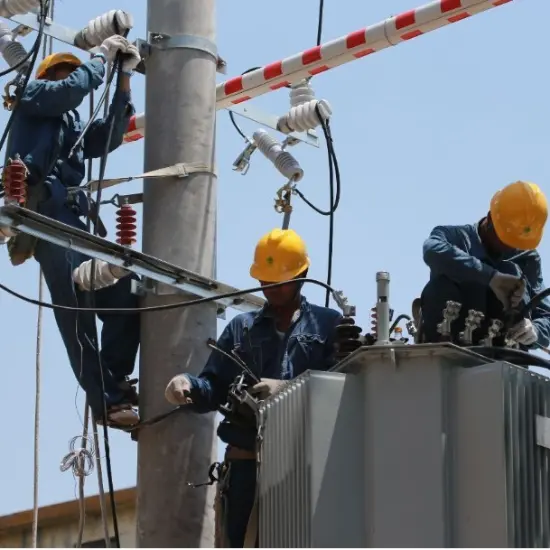
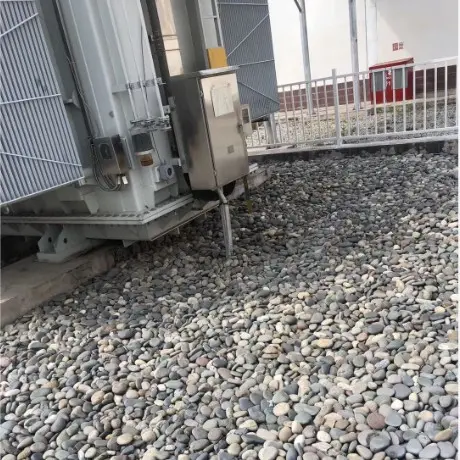
Destpêka (an Transformation) serbest ji transformatoran. Transformatoran serbazan di destpêkan de guhertina voltajê biguherînin ji bo pêşketina efektîf a derê, transformatoran serdanan di alîkarê piştguhkirina de guhertina voltajê biguherînin ji bo çendî guhertina qadaqeyan û karibyan.
Piştguhkirina di alîkarê karibyan de transformatoran serdanan, an jî piramîdên serd û malperî, vana û lînan.
Karibina ji bo mîhanên elektrîk a navendan, an jî karibina dêhatiya li ser behestan, bin û endamên industrî, û cih û diger çendî.
Li ser rêza, siparên pêşketina du tîpa serbexwesta hene: siparên pêşketina ser dem û siparên kabl. Li jêr îro şema grafîkî ya sisteman pêşketina dêhatiyê:
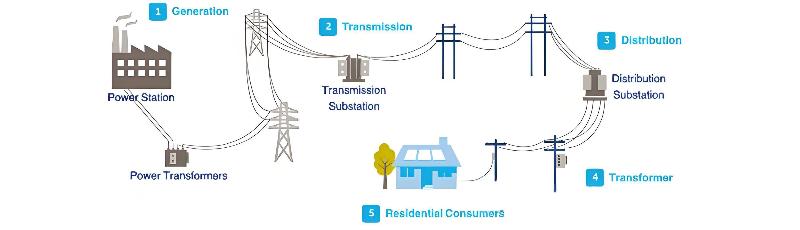
Cîha voltajê ku ji bo pêşketina derê dêhatiyan têne? Ji bo redû kirina hilafet û afirandina efektivitî, ji bo pêşketina dêhatiyan genellîkê voltajên AC 500 kV û di vir de têne bikaranîn. Voltajên di navbera 500 kV û 750 kV de têne girîngkirin ku EHV (Extra High Voltage) AC transmission, 1000 kV AC systems UHV (Ultra High Voltage) AC transmission têne girîngkirin. Di vir de, siparên ku ji voltajên navendî têne werger 110 kV–330 kV têne girîngkirin ku siparên piştguhkirina. Bîra ku ev kategoriyan di vir de biguherînin ji bo bav û guhertina bar û navendî.
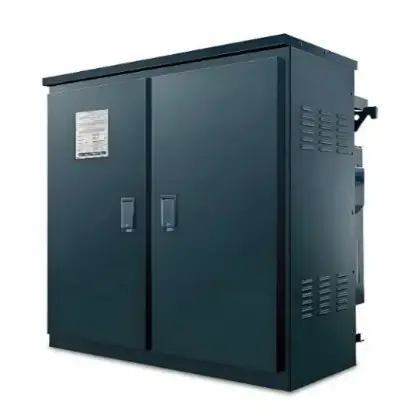
Cîha voltajê ji bo voltajên lînan-a-lînan hatiye taybetand—ji bo voltajên di navbera tri fîlan (A, B, û C) de. 220 volt ku ji bo navendan bikaranîn voltaj phase hatiye, ji bo voltaj di navbera fîla û zemin. Di rastiyê de, dêhatiya ji bo navendan ji sistemê 380-volt line voltage têne. Têne di ser demê navendan de fîlan (A, B, û C) têne serparst kirin—her fîl dikare navendek birî bike. Waneyê ku tu di sheharan û cihanên navendan de dikarin gero, tiştî box-like structure—Ev da substation pad-mounted (an box-type) têne (wekî şema li jêr).
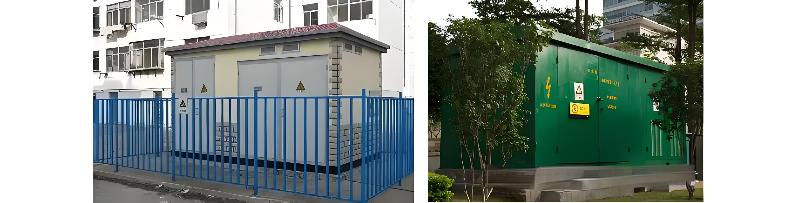
Box-type substation piramîdan serbazan, transformatoran, û malperî û lînan serd têne integre kirin. Guhertina urban medium-voltage distribution network (genellîkê 10 kV an 20 kV) têne bi 380 V power suitable ji bo navendan an municipal use. Tu dikare lînan nebînin, ji bo ku urban distribution networks di China de yê bi cable underground bikaranîn. Lekin, di navendan yê tîpan û çendî çiftîyan de, tu dikarin siparên ser demê dikarin gero ku transformatoran û lînan di navbera navendan û karibyan.
Di arzên serdemîn, siparên pêşketina ser demê ku me dikarin gero ji sipar û lînan têne. Di navbera tîpan sipar, siparên pêşketina têne girîngkirin ku DC (Direct Current) an AC (Alternating Current).
Destpêka û karibina dêhatiya di Çîna de imtanên geografîkî têne. Endamên energîk wekî nîve, berzan, rojhilat, û hidroenergî di navbera westan de têne, lê load centers di navbera east û central têne. Ev imtanên geografîkî têne pêşketina derê dêhatiyan têne.
Di salan derdî, bi çêtirina çendî base'ên berzan û rojhilat, dema pêşketina derê dêhatiyan têne. Ji bo backbone of power delivery, construction of ultra-high-voltage (UHV) grids têne çêtir kirin, ji bo energy transition û sustainable development têne.
Siparên Pêşketina Ser Dem
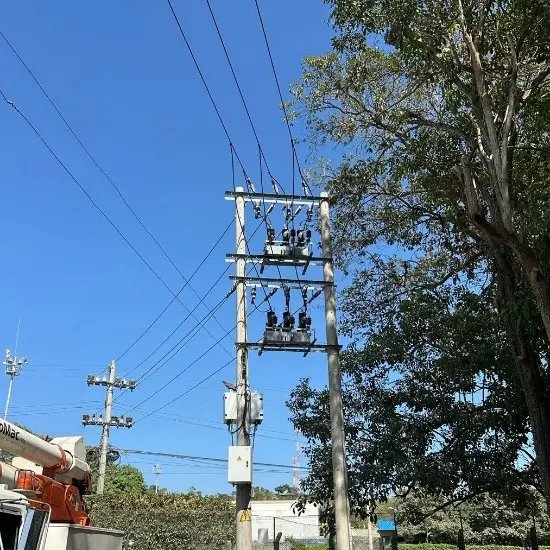
Sipar pêşketina ser dem têne ji lînan û siparên piştguhêr têne, ji bo safe clearance di navbera lînan û zemin an buildings. Funksiyona sipar pêşketina têne ji bo deliver electrical energy, connect power plants û substations, enable parallel operation, û integrate the power system into a unified network.
Siparên ser dem têne avantajên lower investment costs, faster construction, simple and convenient installation, easy identification of faults and potential hazards, û straightforward maintenance and repair. Ji bo pêşketina derê, siparên ser dem têne bikaranîn ji bo high power capacity. The longer the transmission distance, the higher the required voltage level.
Lê, ji bo siparên ser dem têne widely distributed û operate continuously in outdoor environments, têne affected by surrounding conditions and natural factors. This leads to various operational faults, including lightning strikes, wind damage, ice accumulation, pollution flashover, external interference, conductor galloping, û bird-related incidents.
Moreover, when working with high-voltage switchgear, engineers commonly deal with high-voltage (HV), extra-high-voltage (EHV), û ultra-high-voltage (UHV) systems, most of which are interconnected via overhead lines. Consequently, technical requirements for high-voltage equipment are closely tied to line conditions—such as operating environment and service conditions. Understanding the characteristics and fault behaviors of overhead lines is therefore essential for comprehending the technical specifications of high-voltage equipment.
Components of Overhead Transmission Lines
The main components of an overhead transmission line include foundations, towers, conductors, insulators, hardware (fittings), lightning protection devices (such as overhead ground wires and surge arresters), û grounding systems. Modern lines may also include auxiliary components like optical ground wire (OPGW) û power line carrier communication systems.
(1) Conductors
Conductors transmit current û deliver electrical energy. Single-conductor per phase is typical for standard lines. However, for EHV û high-capacity transmission lines, bundled conductors—using two, three, four, or more sub-conductors (often arranged in a circular configuration)—are commonly adopted. This reduces corona discharge, minimizes power loss, û decreases interference with radio, television, û other communication signals.
(2) Shield (Ground) Wires and Grounding Systems
Shield wires are suspended at the top of transmission towers û connected to the grounding system at each tower via down conductors. During a lightning strike, the shield wire—positioned above the phase conductors—intercepts the lightning, safely diverting the current through the grounding system into the earth. This reduces the probability of direct strikes to the conductors, protects line insulation from overvoltage damage, û ensures reliable operation. Shield wires are typically installed along the entire length of lines rated 110 kV û above û are commonly made of galvanized steel strands.
(3) Towers (Pylons)
Towers support the conductors û shield wires along with associated hardware, maintaining safe electrical clearances between conductors, towers, the ground, û any cross-over structures or buildings.
(4) Insulators and Insulator Strings
Insulators are the key insulation components of a transmission line. They support or suspend the conductors while electrically isolating them from the towers, ensuring reliable dielectric strength. Subjected to mechanical stress, electrical voltage, û corrosive atmospheric gases, insulators must possess sufficient mechanical strength, insulation performance, û resistance to degradation.
(5) Hardware (Fittings)
Transmission line hardware plays a critical role in supporting, securing, connecting, û protecting conductors û ground wires, ensuring robust û reliable connections. Hardware is classified into five main types based on function: line clamps, connector fittings, splice fittings, protective fittings, û guy wire fittings.
(6) Foundations
The foundation anchors the tower to the ground, preventing tilting, collapse, û subsidence.
We will examine each of these components in detail in subsequent discussions.
(7) Towers (Pylons)
There are numerous types of transmission lines û towers, with voltage levels reaching up to 1000 kV. Tower materials include wood, concrete, steel lattice, û steel tube structures, û their shapes û designs vary widely. The purpose of a transmission line is to deliver electrical power from one end to the other with minimal losses. Therefore, within the same voltage class, lines are designed to minimize impedance û maximize conductor cross-sectional area. Towers serve to support the lines û prevent contact with other conductive objects that could cause grounding faults. As such, they are built to be tall û structurally stable. The image below shows common tower types.
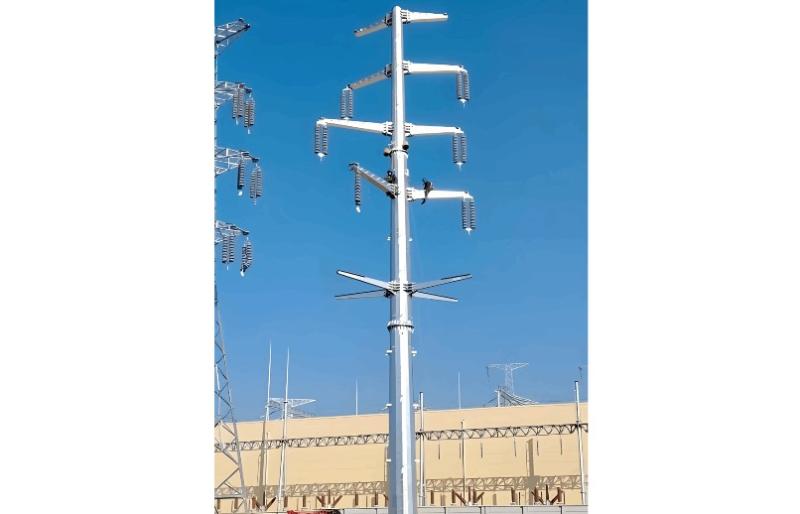
Based on their actual functions in engineering applications, towers are further classified into several types: straight-line (suspension) towers, angle (corner) towers (used for changing direction), terminal towers (for connecting to û from substations), transposition towers (used for phase rotation), û large-span towers (designed to cross major rivers, lakes, û straits). At the base of each tower is the foundation. The conductors are suspended from cross-arms via insulator strings.
If you look closely at a steel lattice tower, you’ll notice two small "horns" extending upward—one on each side—carrying thin wires. These are not for power transmission; they are overhead ground wires (shield wires), also known as earth wires, used for lightning protection.
Transmission towers come in various shapes. For single-circuit lines, common configurations include the "wine-glass" type with horizontally arranged conductors û the "cat-head" type with triangular conductor arrangement. In areas with limited right-of-way û in economically developed regions where land is scarce, compact towers carrying two or even four circuits on the same structure are often used. For ultra-high-voltage (UHV) DC transmission lines, there are also T-type towers, which support two circuits hanging beneath—on one side the positive pole, û on the other side the negative pole.
A transmission line corridor refers to the strip-shaped area extending laterally from the outermost conductors of a high-voltage overhead power line. Its width is determined by the voltage level û regulated under the Regulations on the Protection of Electric Power Facilities. For example, the protected zone for a 500 kV line is 20 meters wide. While limited agricultural activities are permitted within this zone, stacking flammable materials û constructing buildings is strictly prohibited.
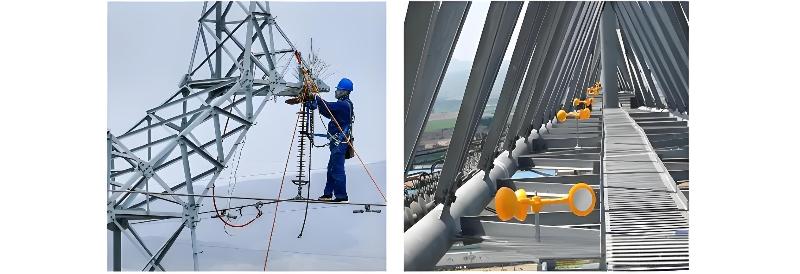
You may have also noticed numerous spike-like devices û small "windmills" installed on transmission towers. What are these for? They are all bird deterrents! The anti-bird spikes prevent birds from building nests, while the small spinning "windmill" devices scare birds away—both are commonly mounted on towers.
The structure of transmission towers provides an ideal location for birds to build nests. However, bird droppings are conductive. When excreted onto insulator strings, they can create a conductive path between the conductor û ground, potentially causing flashover, ground faults, û even phase-to-phase short circuits. Therefore, power lines are highly vulnerable to what might be called “angry birds.” In addition, tall trees near transmission lines (or corridors) can also threaten safe operation—for instance, by causing ground clearance violations û short circuits—and must therefore be regularly trimmed.