What is Nuclear Power Station ?

What is Nuclear Power Plant
A nuclear power plant generates electricity by using nuclear reactions, mainly through nuclear fission.
Nuclear Fission
Nuclear fission splits heavy atoms like uranium into smaller parts, releasing a large amount of energy.
Main Components
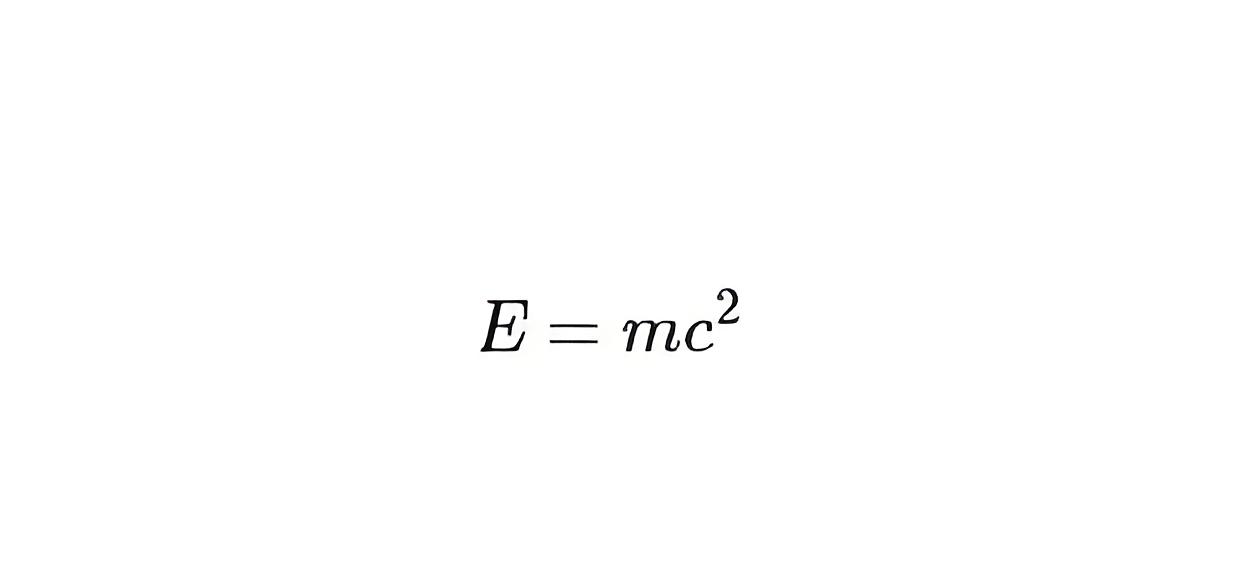
In the fission process, the nuclei of heavy radioactive atoms are broken into two nearly equal parts. During this breaking of nuclei, a huge quantity of energy is released. This release of energy is due to a mass defect. That means the total mass of the initial product would be reduced during fission. This loss of mass during fission is converted into heat energy as per the famous equation established by Albert Einstein.
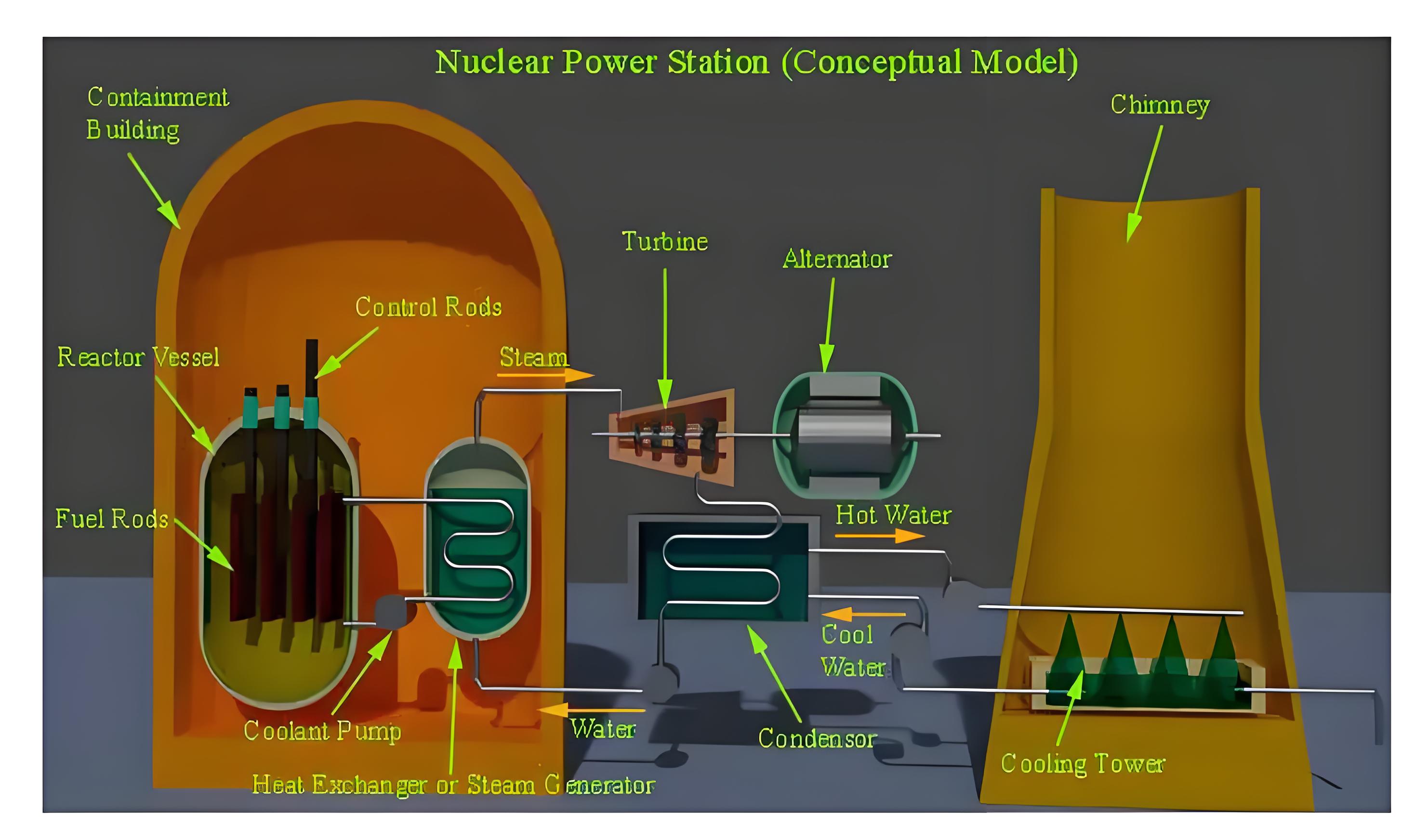
The basic principle of a nuclear power station is the same as a conventional thermal power station. The only difference is that, instead of using heat generated due to coal combustion, here in a nuclear power plant, the heat generated due to nuclear fission is used to produce steam from water in the boiler. This steam is used to drive a steam turbine.
This turbine is the prime mover of the alternator. This alternator generates electrical energy. Although, the availability of nuclear fuel is not much but very less amount of nuclear fuel can generate huge amount of electrical energy.
This is the unique feature of a nuclear power plant. One kg of uranium is equivalent to 4500 metric tons of high-grade coal. That means complete fission of 1 kg uranium can produce as much heat as can be produced by the complete combustion of 4500 metric tons high-grade coal.
Although nuclear fuel is more expensive, the cost per unit of electricity it produces is lower than that of coal or diesel. Nuclear power stations are a suitable alternative to address the current conventional fuel crisis.
Advantages
The fuel consumption in nuclear power stations is low, making the cost of generating electricity cheaper than other methods. Nuclear power stations need less fuel.
A nuclear power station occupies a much smaller space compared to other conventional power stations of the same capacity.
This station does not require plenty of water, hence it is not essential to construct plant near-natural sources of water. This also does not require a huge quantity of fuel; hence it is also not essential to construct the plant near a coal mine or the place where good transport facilities are available. Because of this, the nuclear power station can be established very near to the load center.
There are large deposits of nuclear fuel globally therefore such plants can ensure the continued supply of electrical energy for coming thousands of years.
Disadvantages
The fuel is not easily available and it is very costly.
The initial cost of constructing a nuclear power station is quite high.
Erection and commissioning of this plant are much complicated and sophisticated than other conventional power stations.
The fission by-products are radioactive in nature, and it may cause high radioactive pollution.
The maintenance cost is higher and the manpower required to run a nuclear power plant is quite higher since specialist trained people are required.
The sudden fluctuation of load cannot be met up efficiently by the nuclear plants.
As the by-products of the nuclear reactions are highly radioactive, it is a very big problem for the disposal of these by-products. It can only be disposed of deep inside the ground or in a sea away from the seashore.