Can a generator be used to power a transformer?

Theoretical feasibility
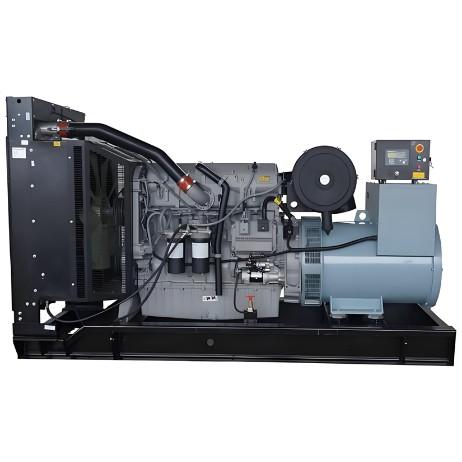
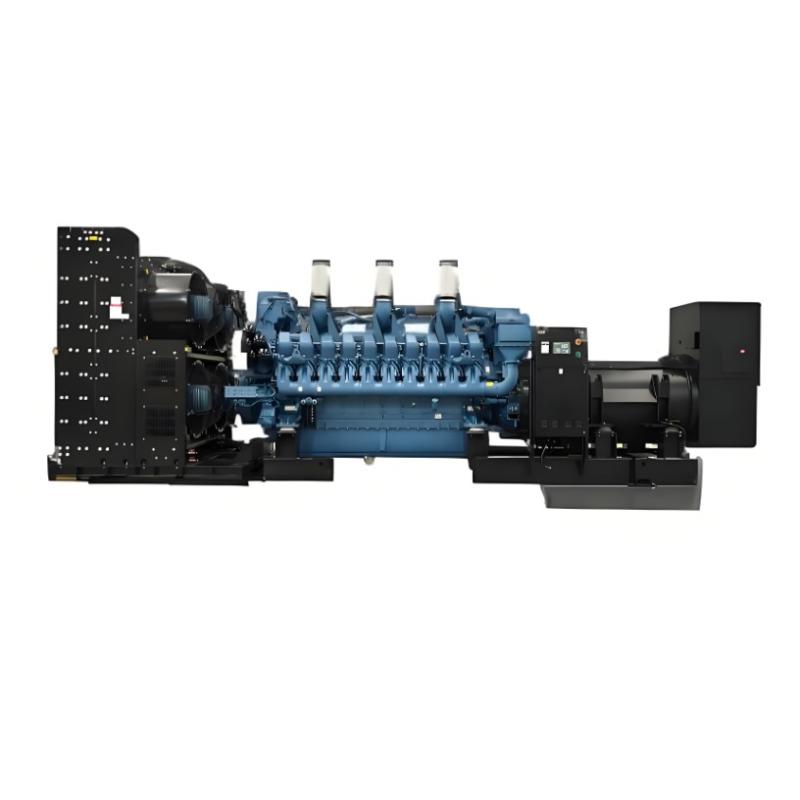
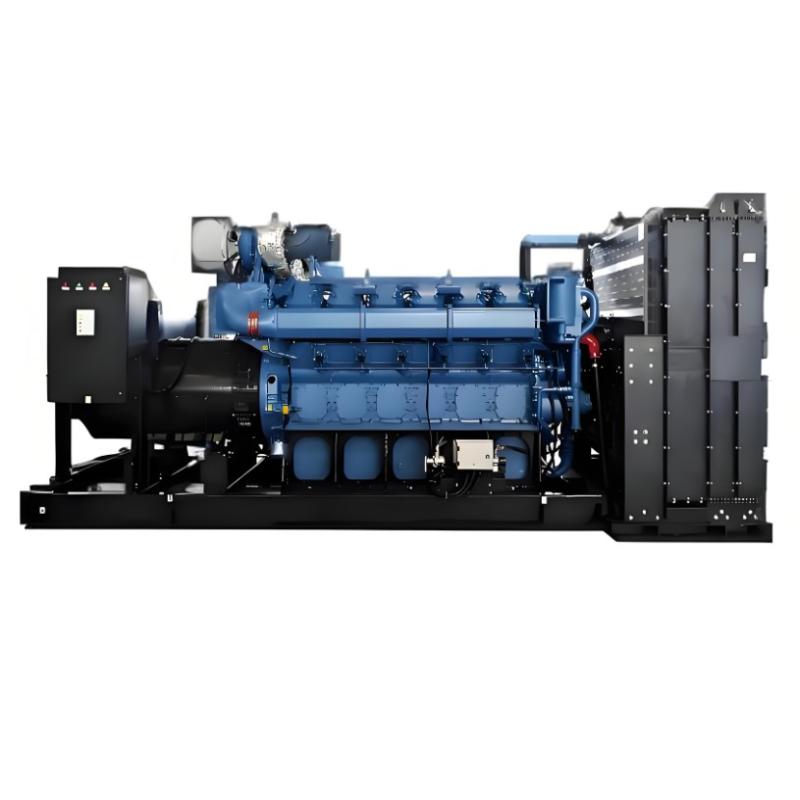
In principle, a generator can be used to supply power to a transformer. The role of the generator is to convert mechanical energy (such as driven by a diesel engine, a hydraulic turbine, etc.) or other forms of energy into electrical energy, and output alternating current or direct current of a certain voltage and frequency. The transformer is a kind of electrical equipment based on the principle of electromagnetic induction, which is used to change the AC voltage. As long as the power output of the generator meets the basic requirements of the transformer (such as voltage, frequency and other parameters within the rated working range of the transformer), it can supply power to the transformer.
For example, an alternator with an output voltage of 400V and a frequency of 50Hz can supply power to a power transformer with a rated input voltage within a certain range (such as 380-420V) and a frequency of 50Hz.
Considerations in practical applications
Voltage matching
Input voltage range: The transformer has its rated input voltage range. If the output voltage of the generator is not within this range, it may affect the normal operation of the transformer. If the output voltage of the generator is too high, it may lead to the saturation of the transformer core, increase the iron loss, produce overheating phenomenon, and even damage the insulation system of the transformer; If the voltage is too low, the transformer may not work properly, and the output voltage will not meet expectations. For example, a transformer with a rated input voltage of 10kV, if the generator output voltage is only 8kV, it may lead to the transformer output voltage not reaching the rated value, affecting the normal operation of subsequent electrical equipment.
Voltage regulation ability: The voltage regulation ability of the generator is also important. The generator output voltage may fluctuate when the load changes. If the generator cannot regulate the voltage effectively, so that the output voltage exceeds the rated input voltage range of the transformer, it will cause damage to the transformer. Some generators are equipped with an automatic voltage regulator (AVR), which can stabilize the output voltage to a certain extent to adapt to the input requirements of the transformer.
Frequency matching
For most transformers, especially power transformers, frequency is a critical parameter. If the output frequency of the generator does not match the rated frequency of the transformer, the working characteristics of the transformer will be affected. For example, when the frequency is reduced, the transformer's reactance will decrease, which may lead to an increase in current, which will also cause the transformer to overheat; If the frequency is too high, it may affect the electromagnetic induction process inside the transformer, resulting in abnormal output voltage. For example, a transformer with a rated frequency of 50Hz, if powered by a generator with an output frequency of 60Hz, although the transformer may be able to operate under some circumstances, it will deviate from its normal operating state, affecting its service life and performance.
Power matching
Capacity relationship: The output power of the generator must meet the needs of the transformer. If the power of the generator is less than the rated power of the transformer, the transformer may not work properly, or during loading, the generator may become overloaded. For example, a 100kW generator for a 200kW rated power transformer power supply, when the transformer with a certain load, the generator will be unable to provide enough power and overload phenomenon, which will not only affect the stability of the power supply, but also may damage the generator and transformer.
Power factor: The power factor of generators and transformers also needs to be considered. The power factor reflects the utilization efficiency of electrical energy by electrical equipment. If the power factor of the generator does not match that of the transformer, it will affect the effective transmission of electrical energy. For example, when the generator power factor is low, although the apparent power may meet the needs of the transformer, the actual active power that can be provided to the transformer will be reduced, which may cause the transformer to fail to operate normally.