• Product
  • Suppliers
  • Manufacturers
  • Solutions
  • Free tools
  • Knowledges
  • Experts
  • Communities
Search


What is Dry Type Transformer ?

Encyclopedia
Encyclopedia
Field: Encyclopedia
0
China

What is Dry Type Transformer ?

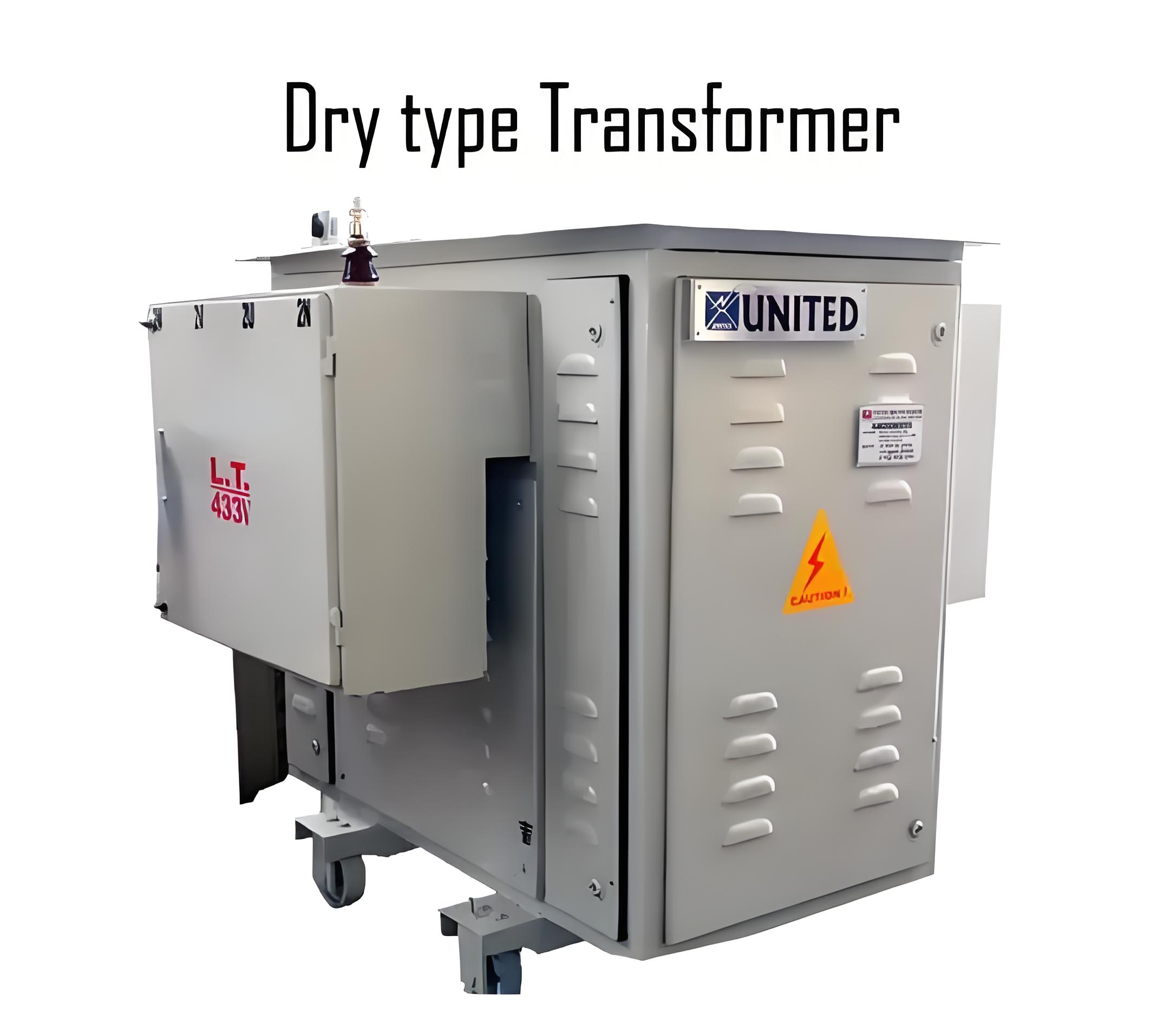
Dry Transformer Definition

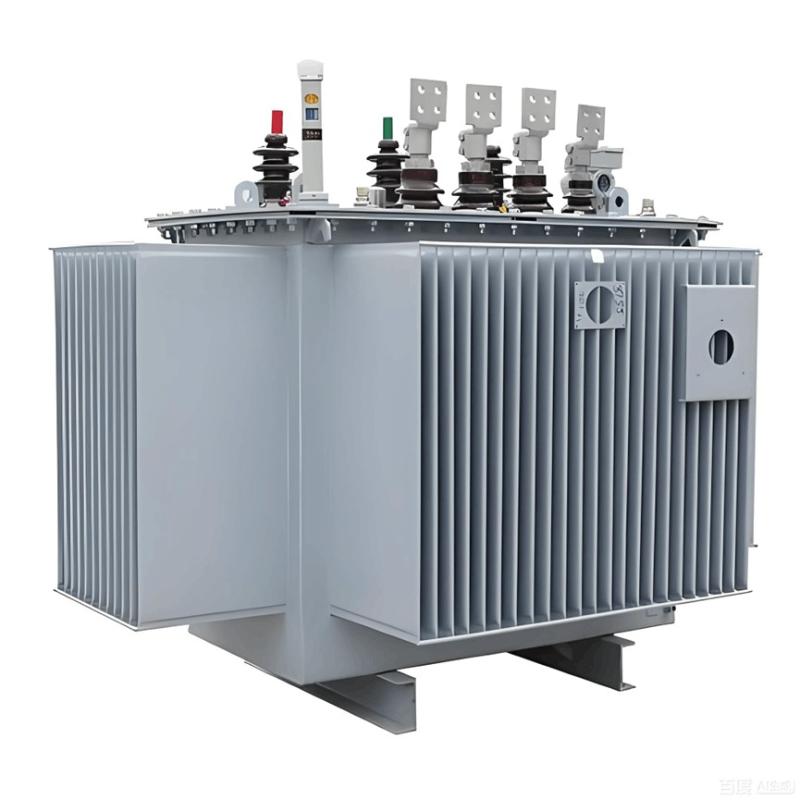
A dry transformer is defined as a transformer that utilizes air or gas instead of liquid for insulation and cooling. 
a12774bf57682e0b17d9f92bcf86109d.jpeg

Transformer Types

  • Cast Resin Dry Type (CRT) transformer

  • Vacuum Pressure Impregnated (VPI) transformer

Advantages

  • Dry transformers enhance safety by eliminating flammable or toxic liquids, reducing the risk of leaks or fires.

  • They are maintenance-free and pollution-free because they do not require any oil changes, oil tests, oil spills cleanup, or special disposal methods.

  • They are suited for damp and contaminated areas because they have high moisture ingress protection and corrosion resistance.

Disadvantages

  • Dry transformers tend to be costlier than oil-filled models with similar power and voltage rating due to higher material and manufacturing costs.

  • They are larger and heavier than oil-filled transformers for the same power and voltage rating because they have more air gaps and insulation thickness.

  • They are noisier than oil-filled transformers because they have higher magnetostriction and vibration that can produce audible sounds.

Applications

  • Chemical

  • Environmentally sensitive areas

  • Fire-risk areas

  • Renewable generation

  • Other applications

Performance Factors

  • Choice of insulation type

  • Selection of winding material

  • Regulation

  • Life expectancy

  • Overloading


Give a tip and encourage the author!
Recommended
Top 5 Faults Found in H61 Distribution Transformers
Five Common Defects of H61 Distribution Transformers1.Lead Wire DefectsInspection Method: The three-phase DC resistance imbalance rate significantly exceeds 4%, or one phase is essentially open-circuited.Remedial Measures: The core should be lifted for inspection to locate the defective area. For poor contacts, re-polish and tighten the connection. Poorly welded joints should be re-welded. If the welding surface area is insufficient, it should be enlarged. If the lead wire cross-section is inade
Felix Spark
12/08/2025
What lightning protection measures are used for H61 distribution transformers?
What lightning protection measures are used for H61 distribution transformers?A surge arrester should be installed on the high-voltage side of the H61 distribution transformer. According to SDJ7–79 "Technical Code for Design of Overvoltage Protection of Electric Power Equipment," the high-voltage side of an H61 distribution transformer should generally be protected by a surge arrester. The grounding conductor of the arrester, the neutral point on the low-voltage side of the transformer, and the
Felix Spark
12/08/2025
How to Select H61 Distribution Transformers?
H61 Distribution Transformer Selection includes the selection of transformer capacity, model type, and installation location.1.Selection of H61 Distribution Transformer CapacityThe capacity of H61 distribution transformers should be selected based on the current conditions and development trends of the area. If the capacity is too large, it results in the “large horse pulling a small cart” phenomenon—low transformer utilization and increased no-load losses. If the capacity is too small, the tran
Echo
12/06/2025
110kV Transformer Zero-Sequence Protection: Issues & Improvement Measures
Problems with Zero-Sequence Protection of 110 kV TransformersIn an effectively grounded system, the neutral-to-ground displacement voltage of a transformer is limited to a certain level, and the neutral-point gap protection does not operate. The purpose of installing gap protection is to prevent damage to transformer insulation caused by elevated zero-sequence voltage in non-effectively grounded systems. The discharge gap only operates when a single-phase ground fault occurs, all directly ground
Echo
12/03/2025
Related Products
Send inquiry
Download
Get the IEE Business Application
Use the IEE-Business app to find equipment, obtain solutions, connect with experts, and participate in industry collaboration anytime, anywhere—fully supporting the development of your power projects and business.