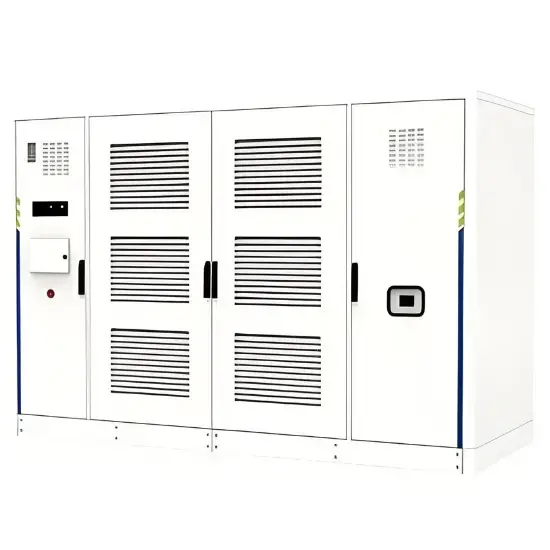
Hello. As a specialist in power systems, I am pleased to translate the previous technical analysis into English for you. This "Journey of Electricity" from the power plant to your household is a sophisticated engineering feat governed by the laws of physics and rigorous safety standards.
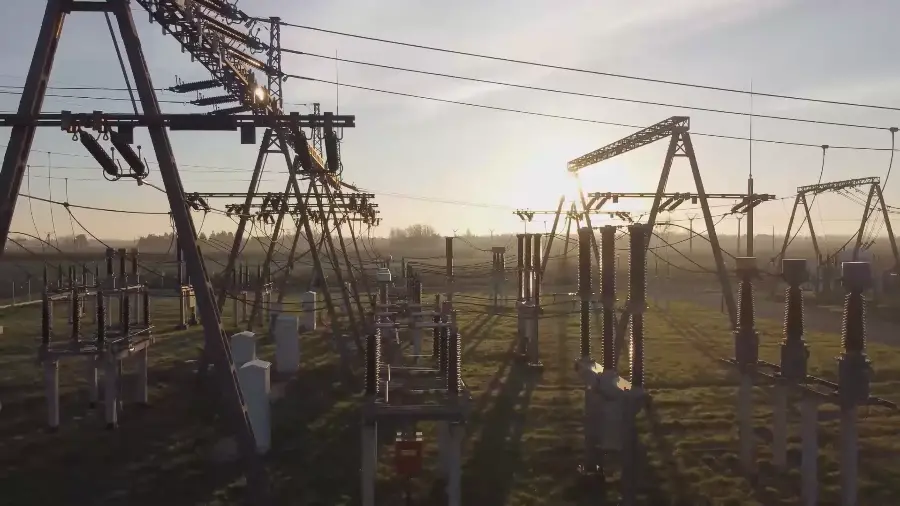
The Odyssey of Power: From Generation to Socket
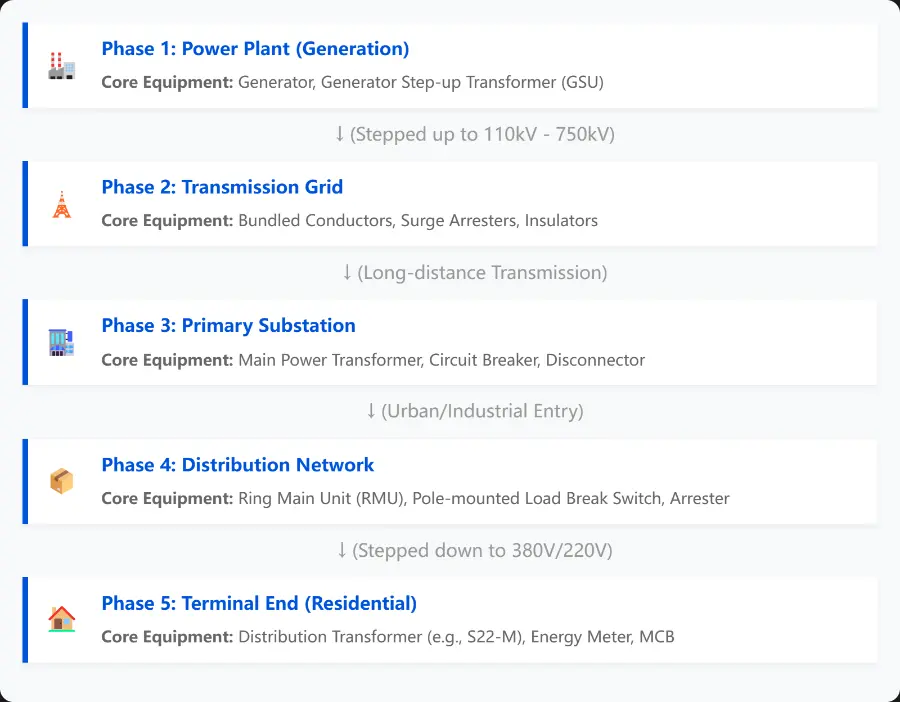
Deep Dive: Roles of Key Electrical Apparatus
1. Transformers (The "Translators" of the Grid)
Transformers are the heart of the system. Based on the formula P=UIP=UI, for a fixed power PP, increasing the voltage VV allows the current II to be reduced. Lower current significantly minimizes energy loss due to heat (Ohmic loss) during transmission.
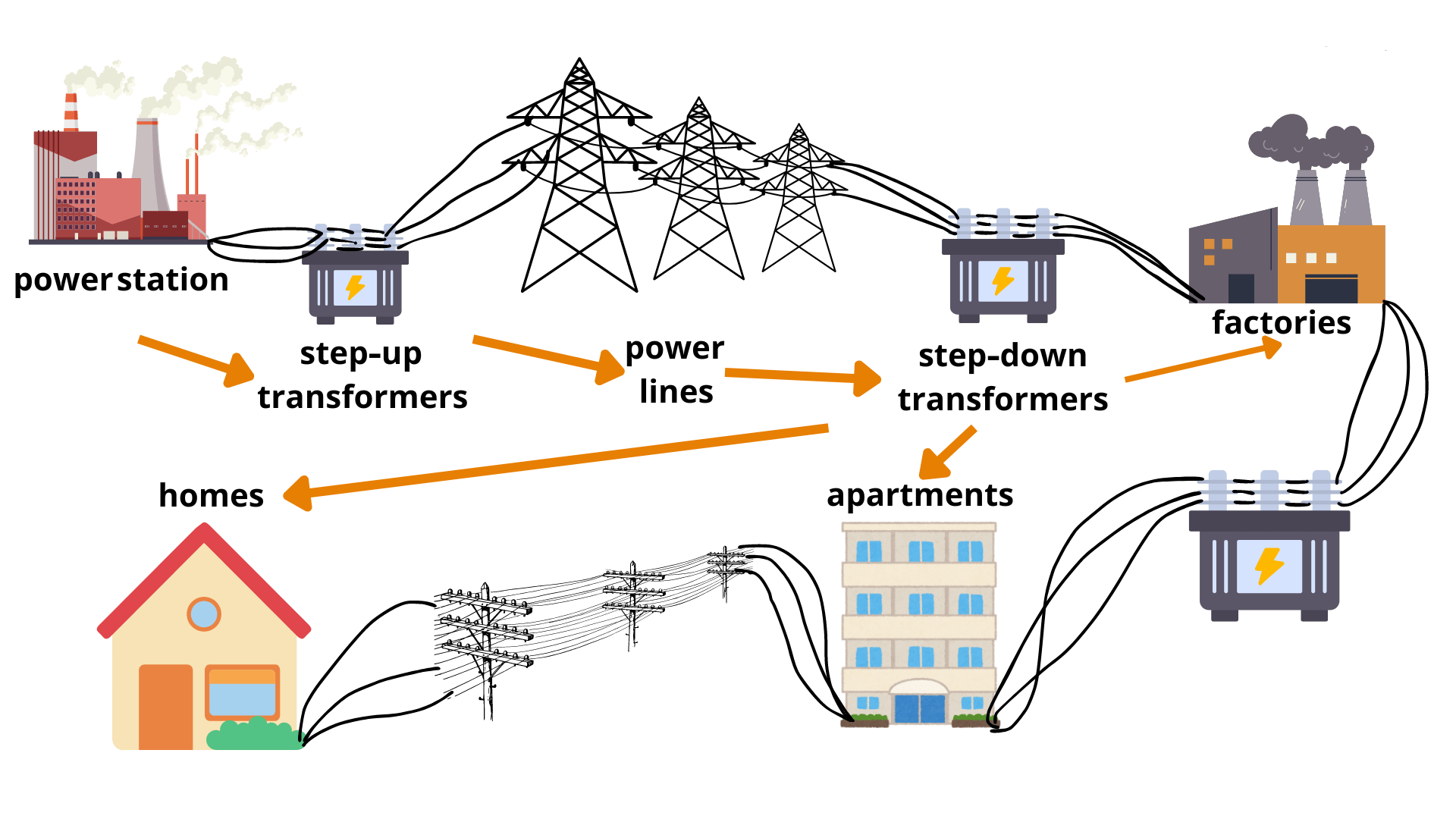
- At the Station: We use Step-up Transformers. The electricity generated at 10kV–20kV is "translated" to high voltages like 220kV or 750kV for efficient long-distance delivery.
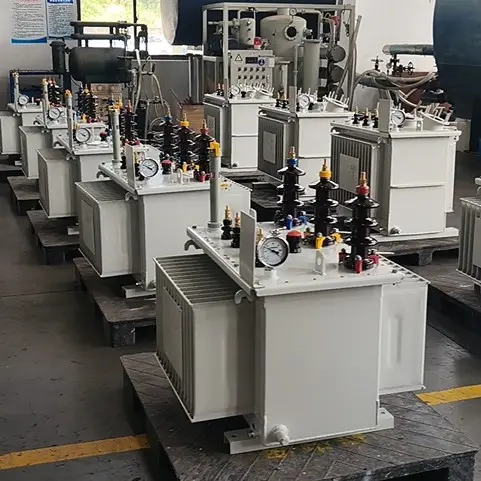
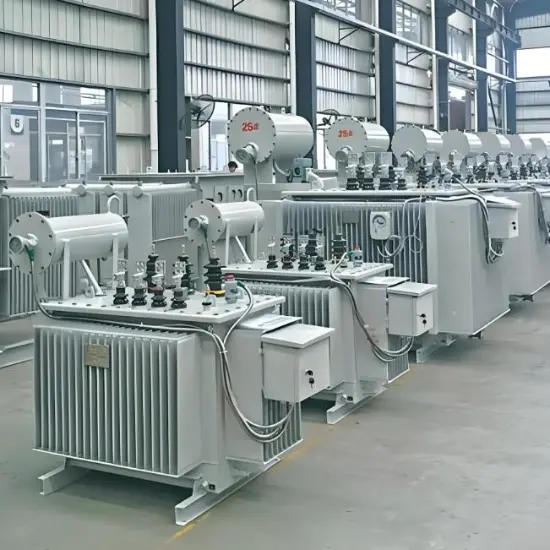
- At the Neighborhood: We use Distribution Transformers (such as the high-efficiency S22-M series). These step down the 10kV high voltage to 380V (industrial) or 220V (residential) for safe household use.
2. Surge Arresters (The "Bodyguards" of Equipment)
A Surge Arrester is the primary defense against overvoltage. Whether it’s a lightning strike or a switching surge within the grid, transient high voltages can puncture insulation. Using non-linear varistors (like Zinc Oxide), arresters remain non-conductive at normal voltages but instantly become a path to the ground when struck by high voltage, safely diverting the surge.
3. RMU & Switchgear (The "Nerve Center")
In urban distribution, we utilize a "hand-in-hand" ring network to ensure continuous power supply.
- Ring Main Unit (RMU): Acting like a multi-way router for electricity, the RMU allows power to be switched between different paths. If a cable fault occurs, the RMU isolates the faulty segment and restores power from another direction.
- Circuit Breakers & Load Switches: These devices are responsible for interrupting current. High-voltage circuit breakers must extinguish massive electric arcs in milliseconds using precision mechanisms (like Magnetic Actuators) and advanced insulation media.
4. Terminal Distribution (The Final Safety Gate)
As electricity reaches your building's distribution box:
- Energy Meter: Precisely records every kilowatt-hour consumed.
- Miniature Circuit Breaker (MCB): Commonly known as the "air switch." It trips instantly during an overload or short circuit, preventing electrical fires.
Summary
The supply of electricity is an extraordinarily rigorous engineering system. From the power plant to your socket, energy is transformed several times by Transformers, protected throughout by Surge Arresters, allocated precisely by Ring Main Units, and finally guarded by Circuit Breakers.
For those focusing on equipment selection, products like Rockwill—which feature KEMA certification and utilize the APG (Automatic Pressure Gelation) solid insulation process—provide the reliability and low loss required for modern smart grid infrastructure.
I hope this technical translation clarifies the intricacies of the power system. Should you have further questions regarding specific parameters (e.g., S22 loss data or RMU logic), feel free to reach out.
Contact us:
Edited From:Dyson

 Login
Login