In engineering practice, the true value of a transformer is not found in its initial purchase price, but in its operational losses, insulation reliability, and environmental resilience over a 30-year lifecycle.
1. The Energy Efficiency Paradox: "No-Load Loss"
A transformer's losses are split into load loss (copper loss) and no-load loss (iron loss). No-load loss is an "invisible cost" generated as long as the transformer is energized. In long-term grid operation, reducing no-load loss is the most direct method to improve the Internal Rate of Return (IRR) of a project.
2. Insulation Lifespan: The Silent Killer
Insulation breakdown is the primary cause of catastrophic transformer failure. The level of Partial Discharge (PD) reflects the precision of the insulation process and the uniformity of the internal electric field. Minimizing PD is the key to extending the service life of the equipment.
3. Mechanical Stability in Extreme Conditions
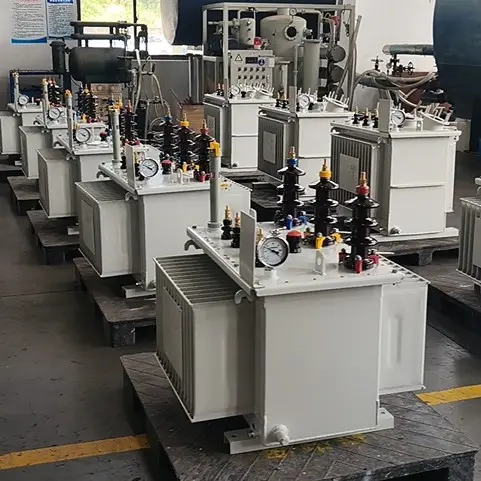
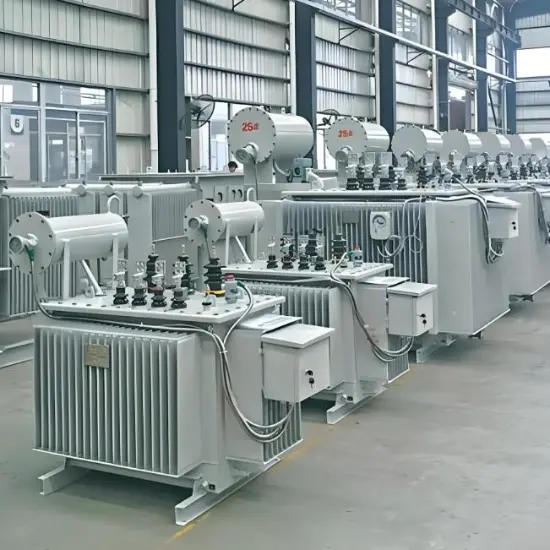
From the high humidity and salt spray of tropical jungles to the arctic conditions of Siberia, oil-immersed transformers face massive challenges regarding seal integrity, oil viscosity, and core thermal contraction. Only equipment verified in the field can ensure operation without leaks or breakdowns under extreme stress.
Why Choose ROCKWILL?
As a leading global provider of power equipment, ROCKWILL has redefined industry benchmarks through continuous technical iteration and rigorous certification.
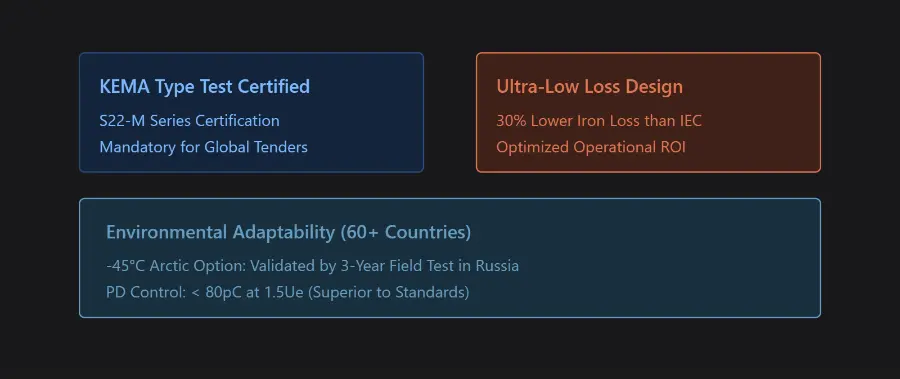
Strategic Advantages of ROCKWILL:
- KEMA Type Test Certification: Our S22-M series oil-immersed transformers are certified by the world-renowned KEMA laboratories. This provides a "global passport" for international tenders, recognized by top-tier power utilities.
- Extreme Energy Efficiency: Utilizing advanced core stacking and premium magnetic materials, ROCKWILL transformers achieve no-load losses 30% lower than IEC standards. In the era of Carbon Neutrality, this translates to a smaller carbon footprint and higher economic returns.
- Superior Insulation Control: We maintain Partial Discharge (PD) levels under 80pC at 1.5 times the rated voltage (where industry norms often exceed 100pC), providing a significantly higher safety margin for long-term insulation.
- Arctic-Grade Specialization: For high-latitude regions, ROCKWILL offers specialized transformers capable of stable operation at -45°C. This has been successfully verified by 3 years of field operation on the Russian grid, proving its mechanical and vacuum integrity.
- Proven Global Track Record: With operations in over 60 countries, our equipment is proven in diverse scenarios—from scorching solar PV plants in Africa to arctic distribution networks in the North.
Whether you are retrofitting traditional power frequency infrastructure or selecting transformers for renewable energy projects, ROCKWILL provides a comprehensive technical solution ranging from 10kV to 110kV.
Contact Us:
Edited From:Dyson

 Login
Login