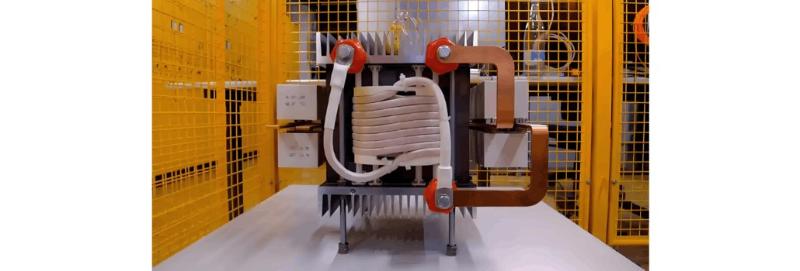
1. Operasyon sa Sistema Kon o Sin CLiP (Current-Limiting Device)
Sa normal nga operasyon, ang switchboard molihok kini nga paagi:
Sa kahigayonan kini, ang prospective fault current sa switchboard mas baho sa 50kA. Busa, ang current-limiting device (CLiP) dili i-insert sa circuit.
Sa panahon sa maintenance operations nga nagsangpot sa pagbukas sa usa ka generator (pag-offline) ug pag-isara sa uban (synchronizing ug connecting), ang sistema molihok kini nga paagi:
Sa kahigayonan kini, ang short-circuit capacity sa sistema madaghan, ug ang prospective fault current gibag-o sa 50kA. Tungod kay ang switchboard's short-circuit withstand rating mao ang 50kA, ang current-limiting device kinahanglan i-insert sa circuit aron masiguro ang seguridad sa equipment.
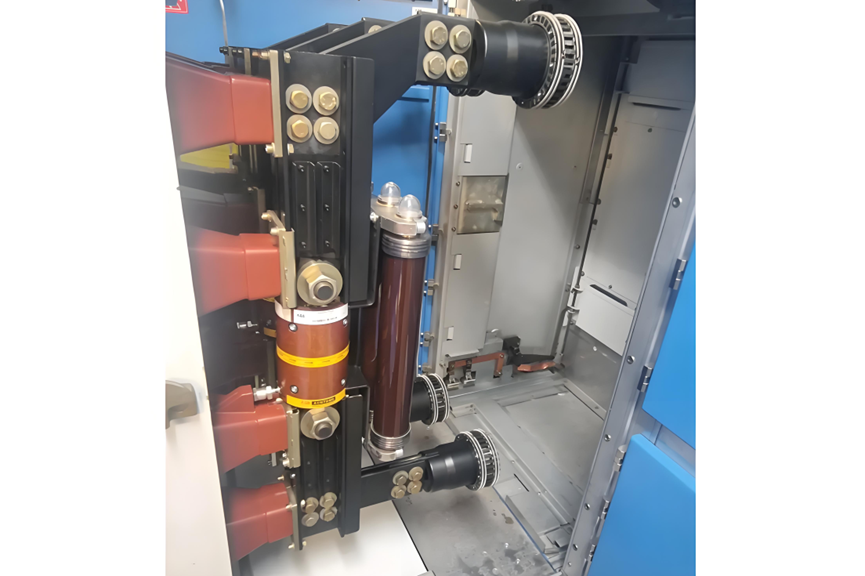
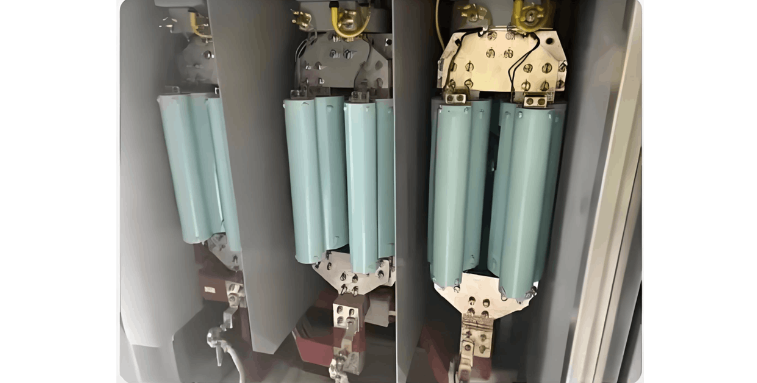
Ang CLiP monitor ang rate sa pagtaas sa kuryente pinaagi sa panahon. Sa dihang ang kuryente gibag-o sa preset threshold, ang device mogamit ug interrupt ang bus connection pinaagi sa pag-dissolve sa internal fuse element. Kini limita ang actual fault current sa baho sa 50kA, masiguro nga adunay safe design limits sa switchboard.
Kini nga proseso makapadali sa fault isolation bisan walay blackout sa buong eHouse power distribution system.
Summary:
2. Operasyon ug Maintenance Requirements
Ang owner sa facility dapat approve ang proposed alternative operating arrangements. Ang mga desisyon dapat usab batasan sa additional data related sa current-limiting fuse, kasama ang maintenance requirements, estimated service life, ug capability sa personnel nga performing equipment maintenance. Kini nga mga aksyon dapat i-incorporate sa operation ug maintenance manual.
3. Design ug Testing sa Current-Limiting Fuse
Ang current-limiting fuse dapat i-design ug i-test sumala sa recognized standards sama sa IEC 60282-1:2009/2014 ug IEEE C37.41 series, ug dapat appropriate sa intended application ug environmental/operational conditions. Solo ang usa ka current-limiting fuse dapat gamiton; any combination of current-limiting devices requires special consideration ug evaluation.
Ang CLiP nadawat na KEMA type test reports covering breaking capacity, temperature rise, ug insulation tests, kasama ang calibration records para sa measuring equipment. Ang testing gihatag sa compliance sa IEC 60282 ug ANSI/IEEE C37.40 series standards.
4. Insulation Level sa Fuse Holder
5. Verification sa Fuse Suitability for Operating Temperature
Ang current-limiting fuse gi-manufacture ug gi-test sumala sa IEC 60282-1 o IEEE C37.41 series standards.
Ang IEC 60282-1 specify nga maximum ambient temperature sa 40°C, tungod kay ang classification society standard SVR 4-1-1, Table 8, require 45°C. Evidence compliant sa Appendix E sa IEC 60282-1 (o equivalent standards) kinahanglan ipakita aron masiguro nga ang fuse appropriate sa maximum expected ambient temperature sa 45°C.
Ang testing cover ang requirements sa IEC 60282-1 ug ANSI/IEEE C37.41. Ang Series II interruption test mas stringent sa IEC requirements, tungod kay gigutom 100% test voltage (IEC allow 87%). G&W tests Series I duties sa 100% voltage ug 100% current—exceeding all standard requirements. Ang actual project using a 4000A rated device.
Para sa 5000A switchgear without forced cooling, ang temperature rise margin mao ang 5K sa 40°C ambient, enabling it to carry 5000A sa 40°C ug 4000A sa 50°C ambient.
6. Time-Current Characteristics ug Current-Limiting Performance
Kini nga tipo sa device wala adunay conventional time-current curve (TCC). Ang iyang operasyon kompleto sa 0.01 seconds—well before the starting point sa typical TCC curves—effectively making it an instantaneous device.
Sa practice, ang bawg application evaluate case-by-case basis, using worst-case scenarios (fully asymmetrical faults). Ang system currents plot sa appropriate time resolution aron clear illustrate ang tanang interactions. Kini nga approach superior sa potentially misleading use sa peak let-through current curves.
7. Peak Overvoltage ug Power Dissipation During High Fault Current Operation
Sumala sa IEC ug ANSI/IEEE requirements para sa 15.5kV-rated equipment, ang peak voltage during operation (maximum measured 47.1kV) remain within the 49kV range, ug wala involve ang release sa large amounts of heat or steam associated with expulsion-type interruption.
Ang CLiP's heat dissipation structure essentially a busbar with machined current-limiting sections.
Ang total heat dissipation sa three-phase CLiP system sa 4000A approximately 500W.
8. Short-Circuit Study ug Validation sa Cascading Protection
Ang short-circuit study dapat demonstrate ang function sa current-limiting device ug unsaon niya reduce ang symmetrical fault current below the switchboard’s rated withstand level. Kon ang proposed arrangement intend sa operate as "cascaded protection," compliance sa conditions specified in classification society standard SVR 4-8-2 / 9.3.6 must be verified. Ang selection sa triggering point ug determination sa let-through current sa bawg direction dapat clearly defined.
9. Calculation sa Busbar Withstand Capability for Maximum Short-Circuit Current
Ang calculations dapat perform sumala sa IEC standards aron verify ang busbar’s ability sa withstand ang mechanical ug thermal effects caused sa maximum prospective short-circuit current.