Enhancing Power Transformer Resilience in the Face of Climate Change

Enhancing Power Transformer Resilience in the Face of Climate Change
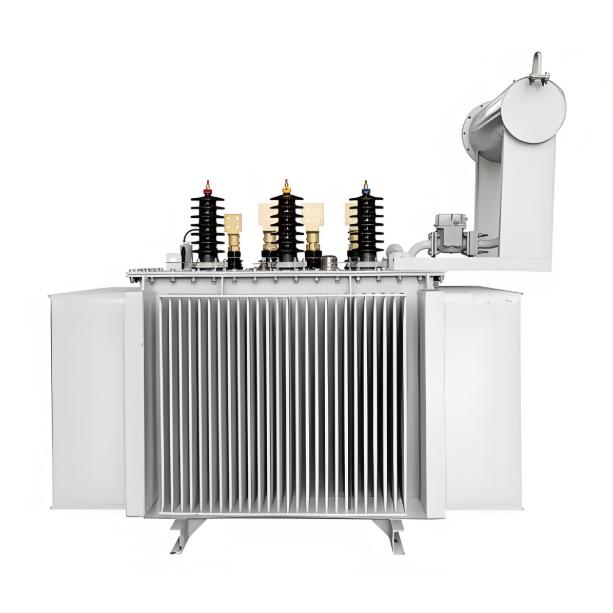
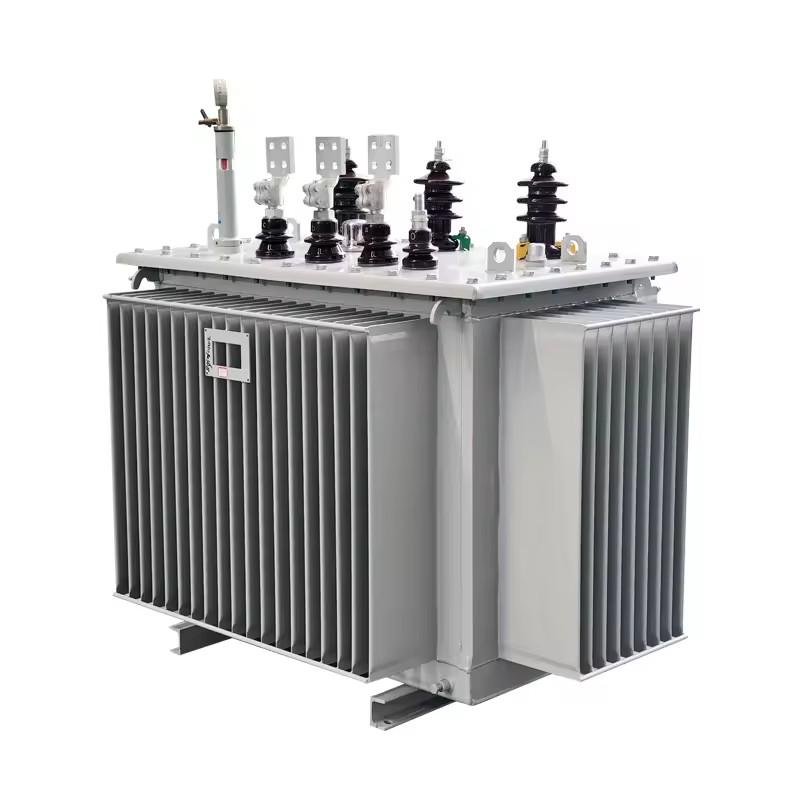
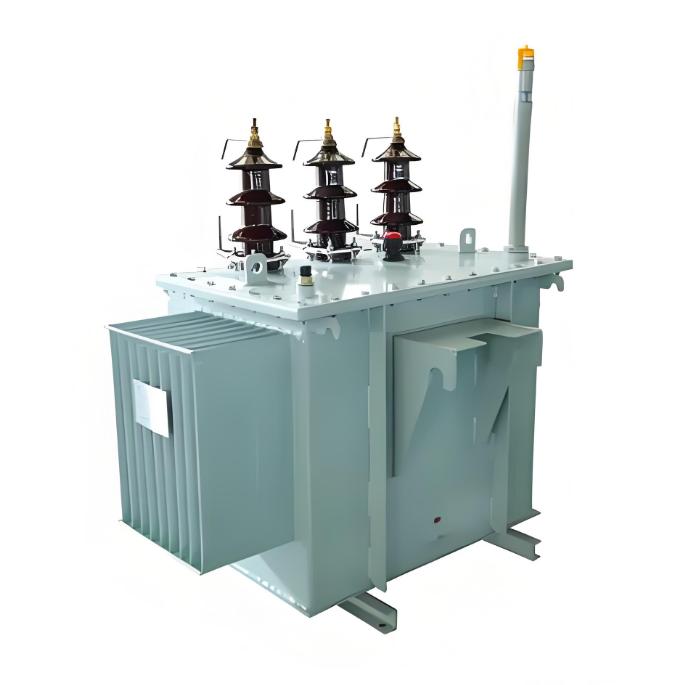
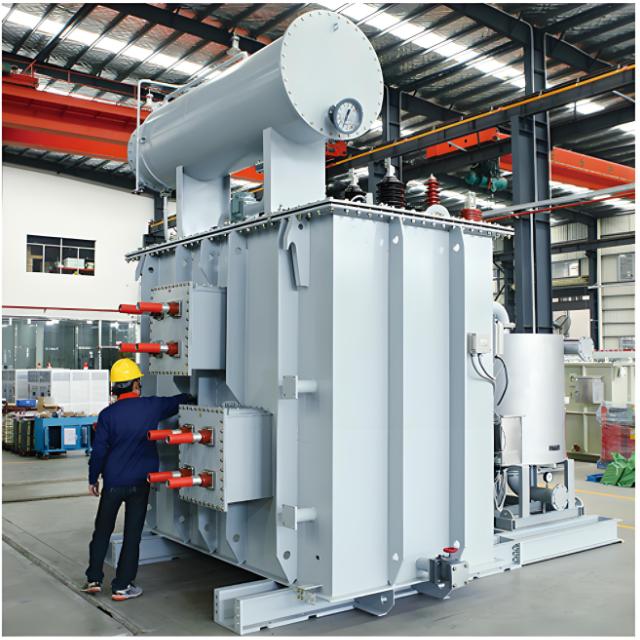
Climate change poses significant challenges to power infrastructure, with power transformers—critical components of the electrical grid—particularly vulnerable. As extreme weather events grow more frequent and severe, ensuring the resilience of transformers has become a top priority for utilities and power companies worldwide.
Understanding the Vulnerabilities
Modern transformers face a growing array of clim ate-related threats. Prolonged high temperatures accelerate insulation aging and impair cooling efficiency, reducing operational lifespan. Flooding poses an acute risk, as water intrusion into windings or bushings can lead to catastrophic failures. In wildfire-prone regions, intense heat and airborne particulates can clog cooling systems and trigger electrical flashovers. Severe storms introduce additional hazards, including physical damage from flying debris and voltage surges caused by lightning strikes.
Adaptation Strategies
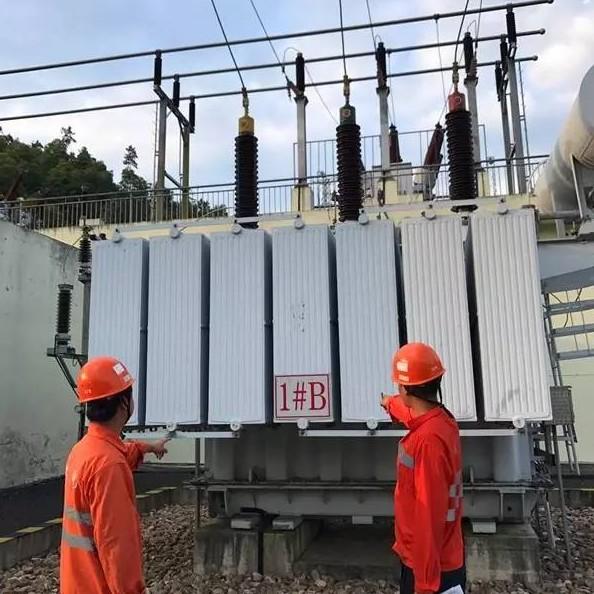
To address these risks, the power sector is implementing a range of adaptive measures. New transformers are being designed with higher thermal ratings and advanced cooling systems to withstand prolonged heatwaves. In flood-prone areas, utilities are elevating transformer platforms above projected flood levels and deploying temporary or permanent flood barriers. Enhanced monitoring systems—equipped with sensors and real-time analytics—are enabling early detection of anomalies such as overheating, moisture ingress, or partial discharge, allowing for timely intervention before failures occur.
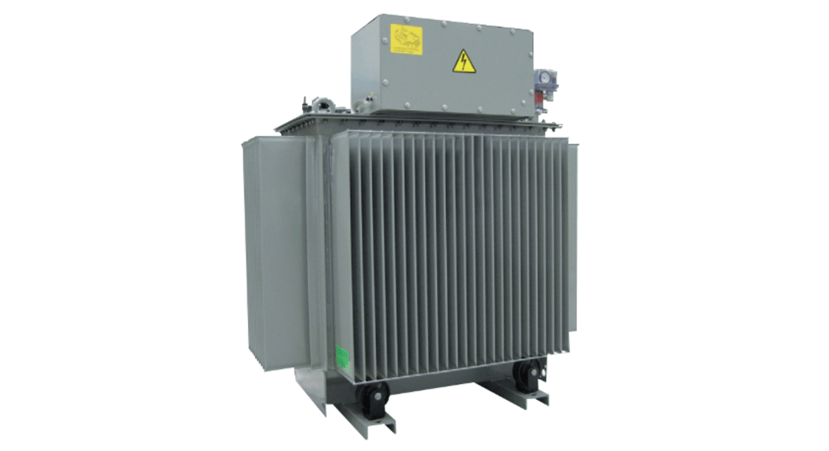
Infrastructure Hardening
Physical protection is increasingly central to resilience planning. Utilities are investing in reinforced enclosures, improved surge protection, and fire-resistant barriers. In high-risk fire zones, defensive measures include vegetation management around substations, installation of fire detection and suppression systems, and the use of non-combustible materials in construction. These efforts aim to create defensible spaces that reduce exposure to flames and radiant heat.
Smart Grid Integration
Advanced grid technologies are playing a pivotal role in transformer protection. Smart grid systems can automatically reroute power during extreme events, reducing stress on individual transformers and preventing cascading outages. Moreover, data-driven predictive maintenance—powered by continuous performance monitoring and machine learning—enables utilities to identify degradation trends and schedule repairs before failures occur, improving both reliability and cost-efficiency.
Economic and Financial Implications
While enhancing transformer resilience requires substantial upfront investment, the cost of inaction is far greater. Extended outages due to transformer failure can result in massive economic losses and compromise public safety. Insurers are responding by revising risk models and adjusting premiums, reflecting the growing exposure to climate-related events. As a result, proactive adaptation is not only a technical imperative but also a financially prudent strategy.
The Road Ahead
Research and development are paving the way for next-generation transformers with enhanced climate resilience. Innovations include high-temperature-resistant insulation materials, advanced cooling techniques (such as nanofluid-based systems), and modular designs that allow for rapid replacement of damaged components. Some manufacturers are also exploring the use of biodegradable insulating fluids, which reduce environmental impact in the event of leaks or fires.
Conclusion
Ensuring the survival and reliability of power transformers in an era of climate change demands a comprehensive, multi-layered approach. This includes improved design standards, real-time monitoring, physical hardening, and integration with intelligent grid systems. While the challenges are substantial, the power industry is actively advancing solutions to maintain grid reliability under increasingly volatile conditions. Success in this endeavor is not only essential for uninterrupted power supply but also a critical component of broader societal climate adaptation and energy security.