What is a Transformer Tap?

What is a Transformer Tap?
Transformer tap definition
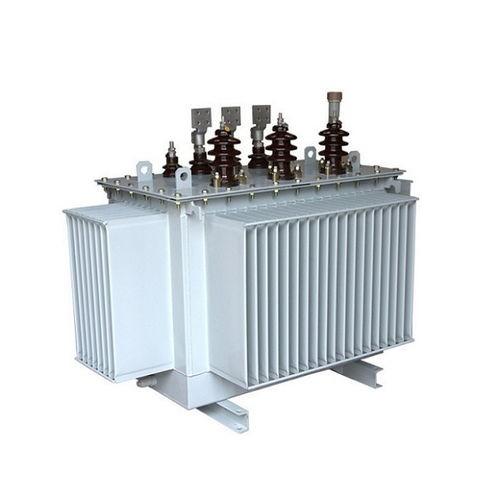
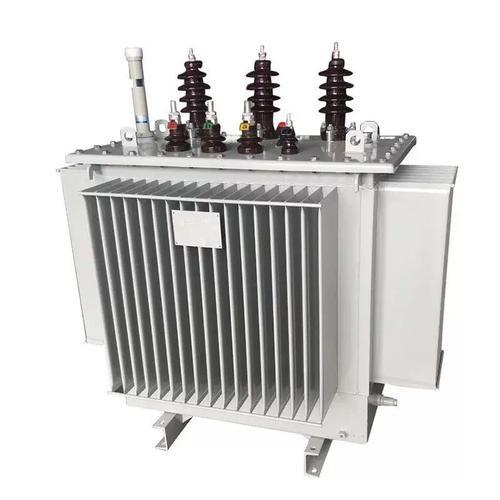
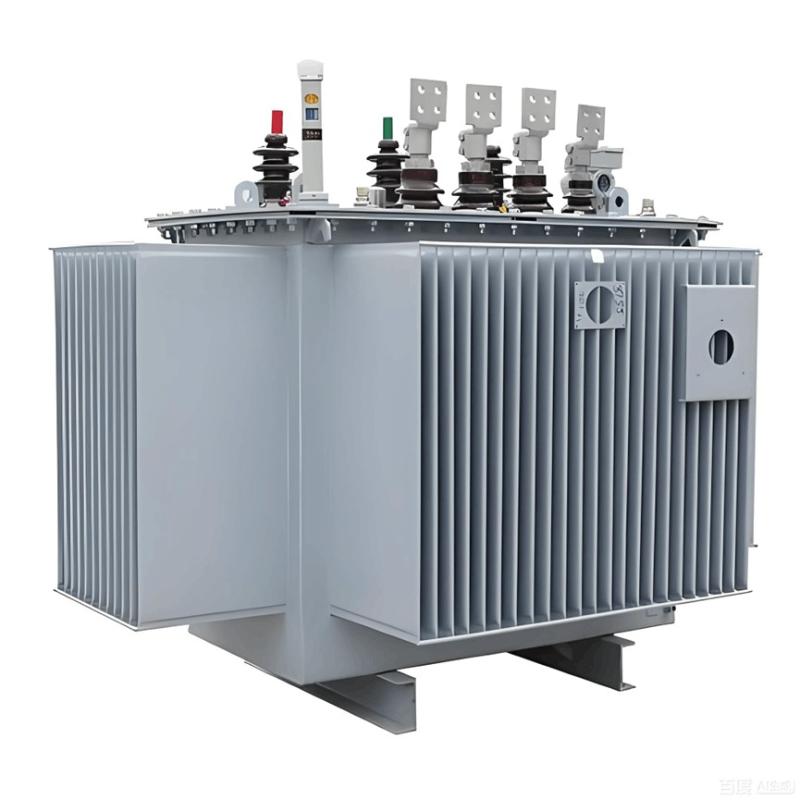
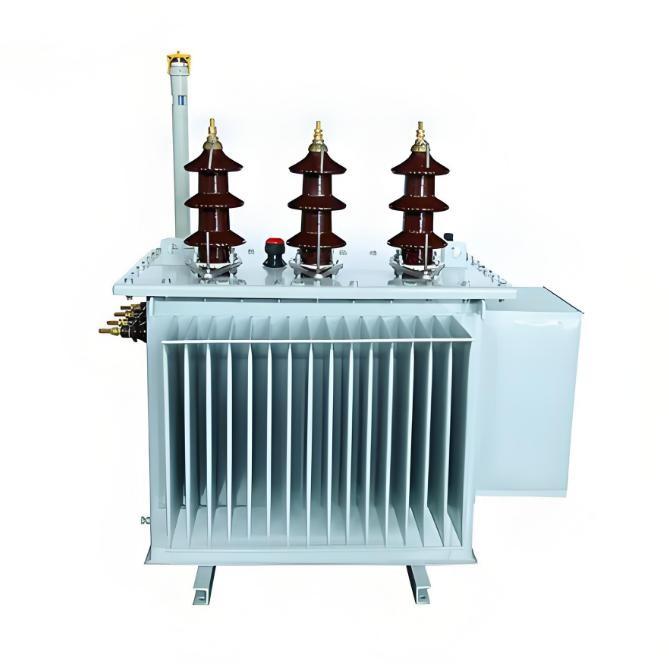
The transformer tap refers to a number of connection points set on the winding of the transformer, allowing the transformer ratio (voltage ratio) to be adjusted by changing the number of effective turns of the winding, so as to achieve the regulation of the output voltage. The use of transformer taps can greatly improve the flexibility and reliability of the power system, especially when voltage levels need to be adjusted or in response to load changes.
Tap action
Voltage regulation
Adjusting the output voltage: By changing the ratio of the transformer, the output voltage can be adjusted to keep it at a desired level. This is very important for voltage control in the grid, especially in the case of large load changes or grid voltage fluctuations.
No-load regulation: The tap position is adjusted when the transformer is not loaded, which is suitable for situations where frequent regulation is not required.
On-load voltage regulation: allows the tap position to be adjusted when the transformer is loaded, which is suitable for frequent voltage regulation.
Load matching
Adapt to load changes: By adjusting the transformer ratio, the load demand can be better matched to ensure the stability and reliability of the power supply.
Fault protection
Overvoltage protection: When the power grid voltage is too high, the output voltage can be reduced by adjusting the tap to protect downstream devices from overvoltage.
Overload protection: When the load is too large, the current can be reduced by adjusting the tap to avoid the overload of the transformer.
System equilibrium
Balanced voltage distribution: When multiple transformers are running in parallel, the voltage distribution between the transformers can be balanced by adjusting the tap to ensure the stability of the system operation.
Economic operation
Energy-saving operation: By adjusting the tap, the operation state of the transformer can be optimized, the energy loss can be reduced, and the economy of the system can be improved.
Tap position
Taps are usually set on the high voltage side winding of the transformer, because the high voltage side of the current is smaller, it is easier to achieve the switch of taps. In some special cases, taps may also be installed on the low pressure side.
Types of taps
According to different use occasions and needs, taps can have different types:
Fixed tap: The position has been set at the time of manufacturing, and cannot be adjusted.
Adjustable tap: Allows the position to be adjusted on the fly to suit different operating requirements.
Load regulator tap: can be adjusted with load, suitable for frequent adjustment.
No load regulator tap: can only be adjusted when the load is disconnected, suitable for situations that do not require frequent adjustment.
Tap switching device
In order to achieve the switching of taps, special switching devices need to be used, common are:
Tap changer: It is used to switch the tap position during the operation of the transformer, which is divided into no-load tap changer and on-load tap changer.
Switching switch: Used to manually or automatically switch the tap position in the state of power failure.
Application scenario
Transformer taps are widely used in all aspects of power systems:
Power transmission: In long-distance transmission, the line voltage drop is compensated by adjusting the tap to ensure that the end voltage is stable.
Distribution network: In the urban distribution network, the tap is adjusted to cope with load changes in different periods of time to maintain voltage stability.
Industrial applications: In industrial electrical equipment, the tap is adjusted to meet the voltage requirements under different load conditions.