• Product
  • Suppliers
  • Manufacturers
  • Solutions
  • Free tools
  • Knowledges
  • Experts
  • Communities
Search


The effect of misplaced coil sets

Encyclopedia
Encyclopedia
Field: Encyclopedia
0
China

Placing a coil group in the wrong position can have a number of adverse effects on the functionality and safety of the device, depending on the role of the coil group and the type of device on which it is located. Here are some possible effects:


Electrical performance problem


  • Reduced magnetic flux: If the coil is not positioned correctly, it may lead to reduced magnetic flux, affecting the efficiency of the transformer or motor.


  • Magnetic field asymmetry: The wrong position can lead to magnetic field asymmetry, which in turn affects the overall performance of the device, such as torque fluctuations in the motor.


  • Incorrect induction voltage: In a transformer or inductor, the incorrect position of the coil will lead to incorrect induction voltage and affect the output voltage.


Overheating and loss of efficiency


  • Overheating: The wrong coil arrangement may cause local overheating due to uneven current density distribution or improper magnetic field distribution.


  • Reduced efficiency: Due to uneven magnetic field distribution, the overall efficiency of the device may decrease, resulting in more energy loss.


Mechanical problem


  • Increased vibration and noise: In a motor or generator, the wrong placement of coils can lead to increased mechanical vibration and produce noise.


  • Mechanical stress: The wrong location can cause uneven distribution of mechanical stress, causing excessive wear or damage to certain components.


Safety hazard


  • Insulation damage: Improper placement of coils may cause damage to the insulation layer, resulting in short circuit or leakage.


  • Fire risk: Fire may occur due to overheating or damage to insulation.


  • Electric shock hazard: If the coil is not properly installed, live parts may be exposed, increasing the risk of electric shock.


Functional failure


  • Control failure: In a control system, such as a sensor or actuator, a misplaced coil may result in loss or instability of the control signal.


  • Signal interference: Coil placement errors may introduce additional electromagnetic interference, affecting the quality of signal transmission.


Difficult to repair and maintain


  • Accessibility: Misplaced coils can make later repairs and maintenance more difficult because they are not easily accessible.


  • Replacement cost: The cost of replacing a coil can be high if the wrong position of the coil group causes the device to fail.


Illustrate by example


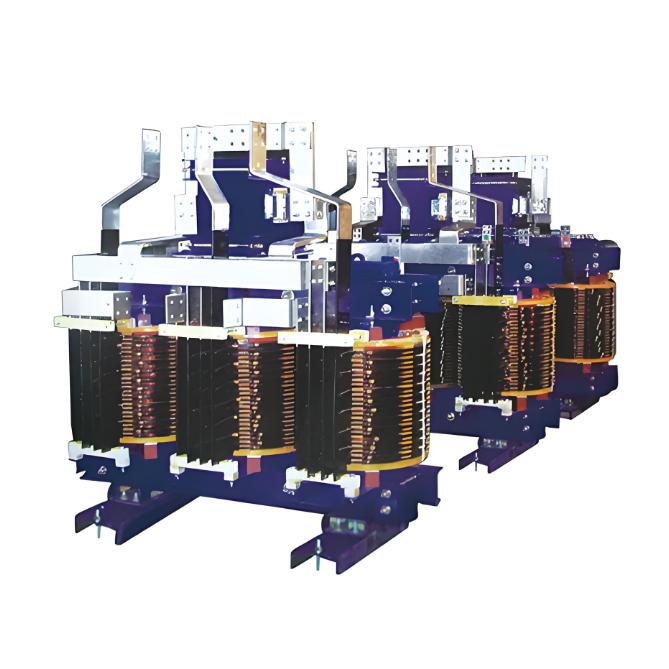
  • Transformer: If the coil in the transformer is placed incorrectly, it may cause the output voltage to be unstable or not reach the expected value.


  • Electric motors: Incorrect coil position in electric motors can cause torque fluctuations, reduced efficiency, and premature wear.


Sum up


Placing the coil group in the wrong position can result in reduced electrical performance, overheating, reduced efficiency, mechanical problems, safety hazards, and functional failures. The correct installation of the coil is the key to ensure the proper operation of the equipment.
Give a tip and encourage the author!
Recommended
How does the oil in oil-immersed power transformers clean itself?
The self-cleaning mechanism of transformer oil is typically achieved through the following methods: Oil Purifier FiltrationOil purifiers are common purification devices in transformers, filled with adsorbents such as silica gel or activated alumina. During transformer operation, convection caused by oil temperature changes drives the oil to flow downward through the purifier. Moisture, acidic substances, and oxidation byproducts in the oil are absorbed by the adsorbent, thereby maintaining oil c
Echo
12/06/2025
Avoid H59 Transformer Failure with Proper Inspection & Care
Measures to Prevent H59 Oil Immersed Power Distribution Transformer from Burning OutIn power systems, H59 Oil Immersed Power Distribution Transformer play an extremely critical role. Once burned out, they can cause widespread power outages, directly or indirectly affecting the production and daily lives of a large number of electricity users. Based on the analysis of multiple transformer burnout incidents, the author believes that a considerable number of such failures could have been avoided or
Noah
12/06/2025
Top Causes of H59 Distribution Transformer Failure
1. OverloadFirst, with the improvement of people's living standards, electricity consumption has generally increased rapidly. The original H59 distribution transformers have small capacity—“a small horse pulling a big cart”—and cannot meet user demands, causing the transformers to operate under overload conditions. Second, seasonal variations and extreme weather conditions lead to peak electricity demand, further causing H59 distribution transformers to run overloaded.Due to long-term overload o
Felix Spark
12/06/2025
How to Select H61 Distribution Transformers?
H61 Distribution Transformer Selection includes the selection of transformer capacity, model type, and installation location.1.Selection of H61 Distribution Transformer CapacityThe capacity of H61 distribution transformers should be selected based on the current conditions and development trends of the area. If the capacity is too large, it results in the “large horse pulling a small cart” phenomenon—low transformer utilization and increased no-load losses. If the capacity is too small, the tran
Echo
12/06/2025
Related Products
Send inquiry
Download
Get the IEE Business Application
Use the IEE-Business app to find equipment, obtain solutions, connect with experts, and participate in industry collaboration anytime, anywhere—fully supporting the development of your power projects and business.