 Login
Login

Disconnector
Severe Consequences of Disconnector Misoperation & Interlocking-Based Prevention Strategies
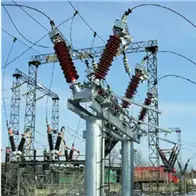
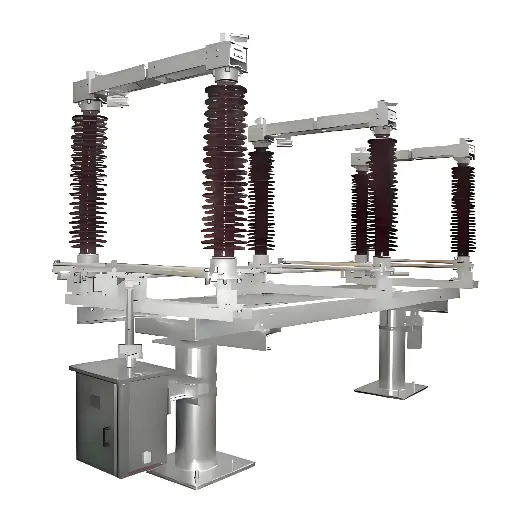
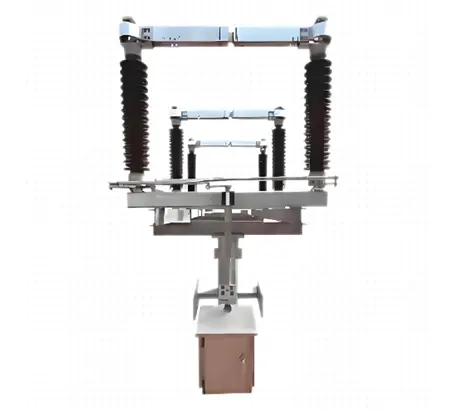
As a key component that keeps maintenance work on power equipment safe, the disconnector provides a clear physical break for electrical isolation. However, because it has no arc-extinguishing capability, it must never be operated under load — an erroneous under-load operation can readily lead to a