Dry-type Transformer, Partial Discharge, Cast Resin, Electric Field Optimization, Vacuum Degassing, Online Monitoring, Insulation Aging, Insulation Defect
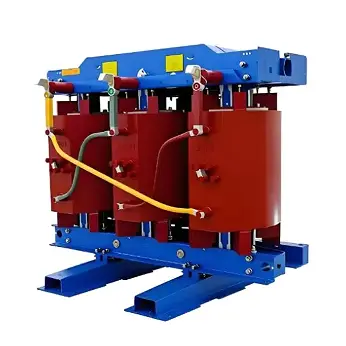
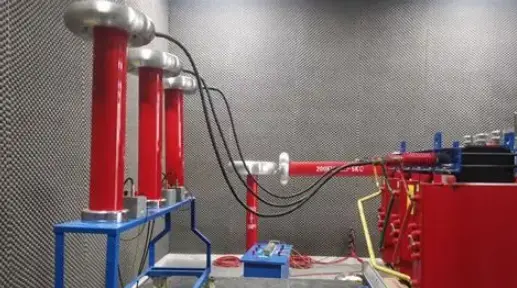
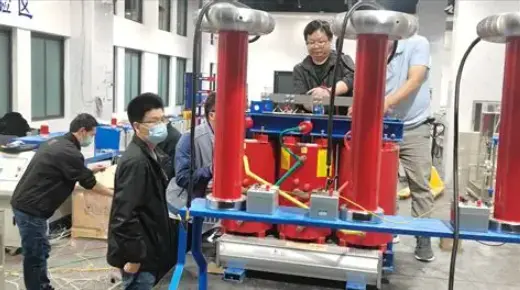
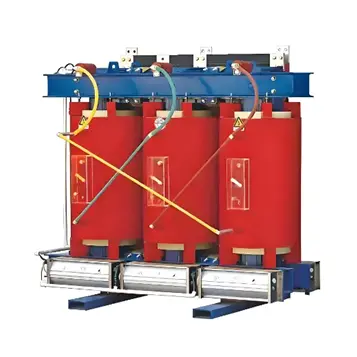
For dry-type transformers, especially those using Cast Resin (CR) technology, Partial Discharge (PD) is a core indicator determining their service life. Unlike oil-immersed transformers, the insulation of dry-type units suffers irreversible damage once PD occurs (such as treeing discharge tracks), which cannot be restored through oil filtration or replacement. Controlling PD below 10pC (or even 5pC) is not only a standard requirement but also a foundation for ensuring 30 years of safe operation.
Through 29 years of technical observation, PD in dry-type transformers typically originates from three types of physical defects:
The primary means of reducing PD is to improve electric field distribution and eliminate electric field peaks:

High-quality dry-type transformers are "manufactured," not just "designed."
With the requirements of grid digitalization, PD monitoring has shifted from laboratory-based to online monitoring:

In practical maintenance, while the absolute value of a single PD test is important, the Trend Analysis of PD volume over time holds greater predictive value.
PD control in dry-type transformers is a systematic project covering material science, electric field theory, and manufacturing processes. Through refined process control and advanced UHF online monitoring, we can elevate the reliability of dry-type units to a level equivalent to or even better than oil-immersed units, providing long-term power security for critical loads.