• Product
  • Suppliers
  • Manufacturers
  • Solutions
  • Free tools
  • Knowledges
  • Experts
  • Communities
Search


Free Expert Guides on Power Systems, Circuit Design & Electrical Troubleshooting

Access free engineering resources from IEE Business—covering power design, circuit layout, equipment selection, and troubleshooting. Expert-developed guides help engineers, procurement, and project teams make better decisions. Stay ahead on smart grids, renewables, efficiency, and AI tools. Improve reliability, reduce downtime, and enhance outcomes with real-world solutions. Explore our knowledge hub today.
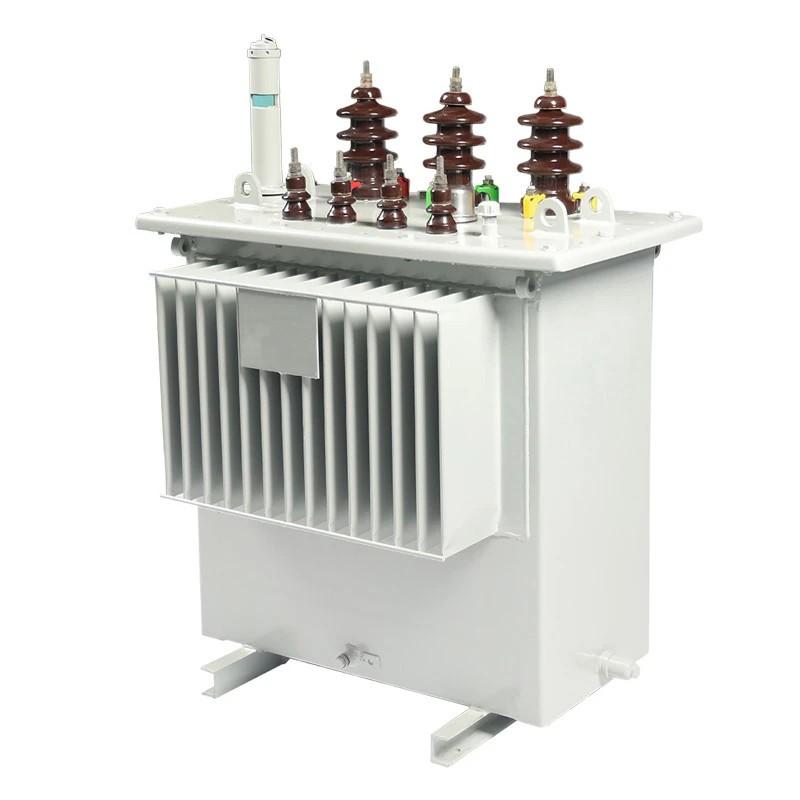
14 Measures to Improve Distribution Transformer Quality
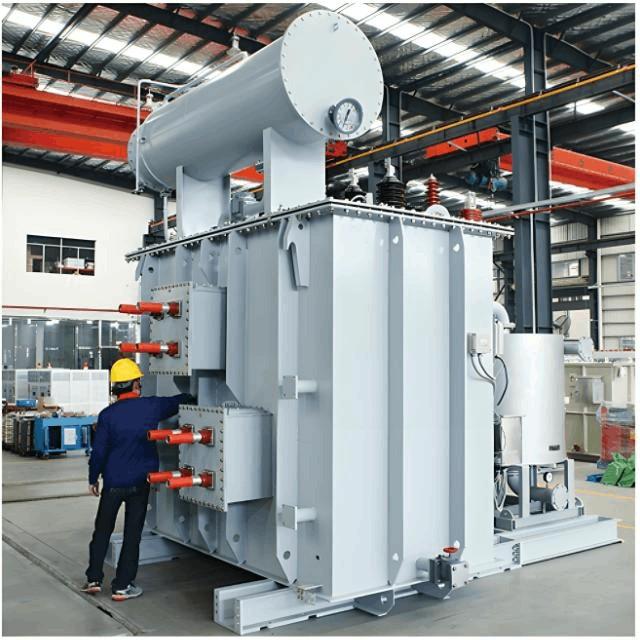
1. Design Requirements to Improve Transformer Short-Circuit Withstand CapabilityDistribution transformers should be designed to withstand symmetrical short-circuit currents (thermal stability current) at 1.1 times the current under the most unfavorable three-phase short-circuit conditions. The peak short-circuit current (dynamic stability current) should be designed for 1.05 times the current when short-circuit occurs at the instant of zero terminal voltage (maximum peak current factor). Based o
12/24/2025
Consult
Tip
Consult
Tip
17 Common Questions About Power Transformers
1 Why must the transformer core be grounded?During normal operation of power transformers, the core must have one reliable ground connection. Without grounding, a floating voltage between the core and ground would cause intermittent breakdown discharge. Single-point grounding eliminates the possibility of floating potential in the core. However, when two or more grounding points exist, uneven potentials between core sections create circulating currents between grounding points, causing multi-poi
12/20/2025
Consult
Tip
Consult
Tip
Commissioning Test Procedures for Oil-Immersed Power Transformers
Transformer Testing Procedures and Requirements1. Non-Porcelain Bushing Tests1.1 Insulation ResistanceSuspend the bushing vertically using a crane or support frame. Measure the insulation resistance between the terminal and the tap/french using a 2500V megohmmeter. The measured values should not significantly deviate from factory values under similar environmental conditions. For capacitive-type bushings rated 66kV and above with tap bushings, measure the insulation resistance between the "small
12/17/2025
Consult
Tip
Consult
Tip
8 Key Measures to Reduce Partial Discharge in Power Transformers
Growing Requirements for Power Transformer Cooling Systems and the Function of CoolersWith the rapid development of power grids and the increase in transmission voltage, power grids and electricity users are demanding increasingly higher insulation reliability for large power transformers. Since partial discharge testing is non-destructive to insulation yet highly sensitive, effectively detecting inherent defects in transformer insulation or safety-threatening defects generated during transporta
12/17/2025
Consult
Tip
Consult
Tip
Transformer Protection Settings: Zero-Sequence & Overvoltage Guide
1. Zero-Sequence Overcurrent ProtectionThe operating current for zero-sequence overcurrent protection of grounding transformers is typically determined based on the transformer's rated current and the maximum allowable zero-sequence current during system ground faults. The general setting range is approximately 0.1 to 0.3 times the rated current, with operating time usually set between 0.5 to 1 second to quickly clear ground faults.2.Overvoltage ProtectionOvervoltage protection is a critical com
12/17/2025
Consult
Tip
Consult
Tip
Analysis and Remedial Measures for Insulation Failures in Power Transformers
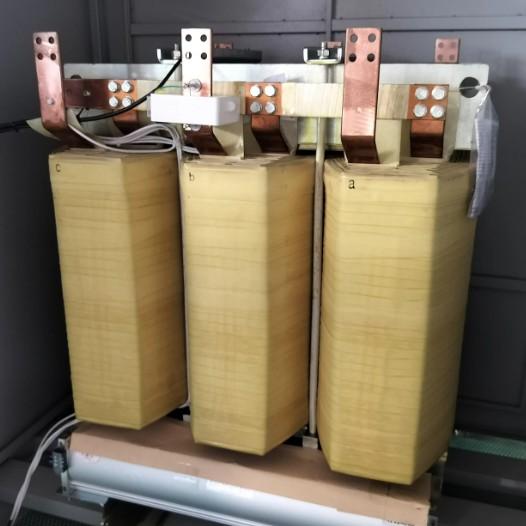
The Most Widely Used Power Transformers: Oil-Immersed and Dry-Type Resin TransformersThe two most widely used power transformers today are oil-immersed transformers and dry-type resin transformers. The insulation system of a power transformer, composed of various insulating materials, is fundamental to its proper operation. A transformer's service life is primarily determined by the lifespan of its insulating materials (oil-paper or resin).In practice, most transformer failures result from damag
12/16/2025
Consult
Tip
Consult
Tip
Smart RMU for Distribution Automation & Grid Control
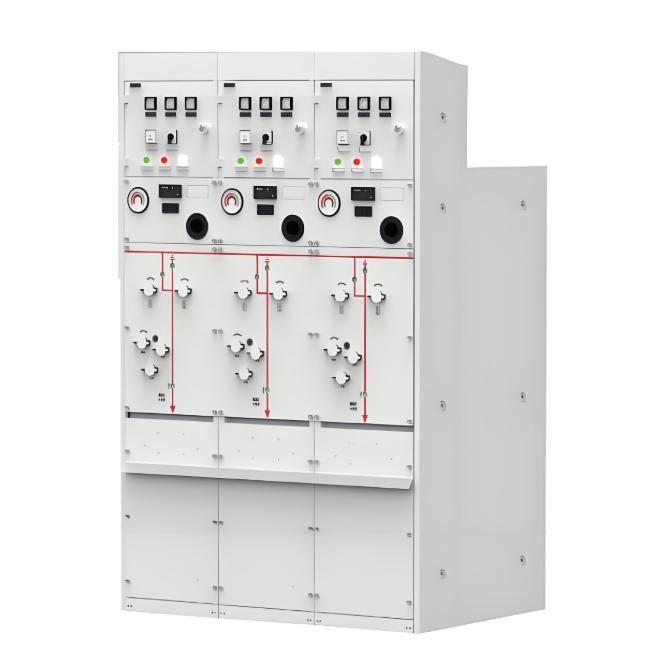
Intelligent complete sets of electrical switchgear and intelligent controller products are essential components in the manufacturing of intelligent ring main units (RMUs). The intelligent integration of complete switchgear combines advanced manufacturing technologies with information technology, effectively enhancing the power grid’s capabilities in state awareness, data analysis, decision-making, control, and learning, thereby fully embodying the digital, networked, and intelligent development
12/09/2025
Consult
Tip
Consult
Tip
Low-Voltage Distribution Lines and Power Distribution Requirements for Construction Sites
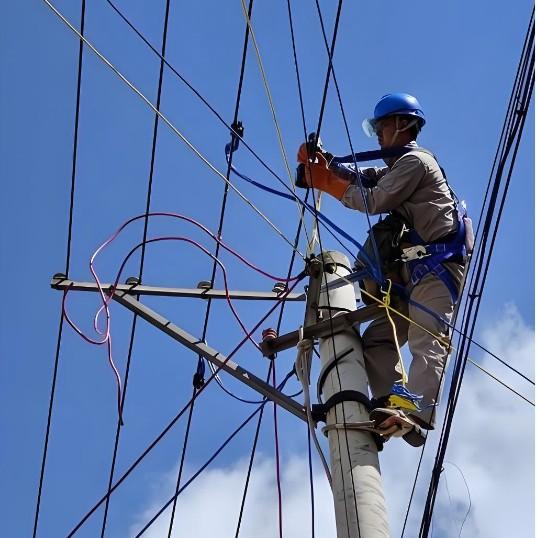
Low-voltage distribution lines refer to the circuits that, through a distribution transformer, step down the high voltage of 10 kV to the 380/220 V level—i.e., the low-voltage lines running from the substation to the end-use equipment.Low-voltage distribution lines should be considered during the design phase of substation wiring configurations. In factories, for workshops with relatively high power demand, dedicated workshop substations are often installed, where transformers supply power direc
12/09/2025
Consult
Tip
Consult
Tip
110kV Transformer Zero-Sequence Protection: Issues & Improvement Measures
Problems with Zero-Sequence Protection of 110 kV TransformersIn an effectively grounded system, the neutral-to-ground displacement voltage of a transformer is limited to a certain level, and the neutral-point gap protection does not operate. The purpose of installing gap protection is to prevent damage to transformer insulation caused by elevated zero-sequence voltage in non-effectively grounded systems. The discharge gap only operates when a single-phase ground fault occurs, all directly ground
12/03/2025
Consult
Tip
Consult
Tip
What are the installation procedures and the prescribed sequence for energizing and de-energizing voltage regulators?
Power voltage regulators are a major electrical equipment in distribution substations. Since the power supply capacity of most distribution substations is relatively small, the capacity of voltage regulators is generally below 1000 kV·A. Therefore, voltage regulators are transported to the site as complete units, with all accessories assembled at the factory before shipment. Hence, the installation work of power voltage regulators in distribution substations mainly includes transportation, visua
11/24/2025
Consult
Tip
Consult
Tip
Send inquiry
+86
Click to upload file

IEE Business will not sell or share your personal information.

Download
Get the IEE Business Application
Use the IEE-Business app to find equipment, obtain solutions, connect with experts, and participate in industry collaboration anytime, anywhere—fully supporting the development of your power projects and business.