• Product
  • Suppliers
  • Manufacturers
  • Solutions
  • Free tools
  • Knowledges
  • Experts
  • Communities
Search


Free Expert Guides on Power Systems, Circuit Design & Electrical Troubleshooting

Access free engineering resources from IEE Business—covering power design, circuit layout, equipment selection, and troubleshooting. Expert-developed guides help engineers, procurement, and project teams make better decisions. Stay ahead on smart grids, renewables, efficiency, and AI tools. Improve reliability, reduce downtime, and enhance outcomes with real-world solutions. Explore our knowledge hub today.
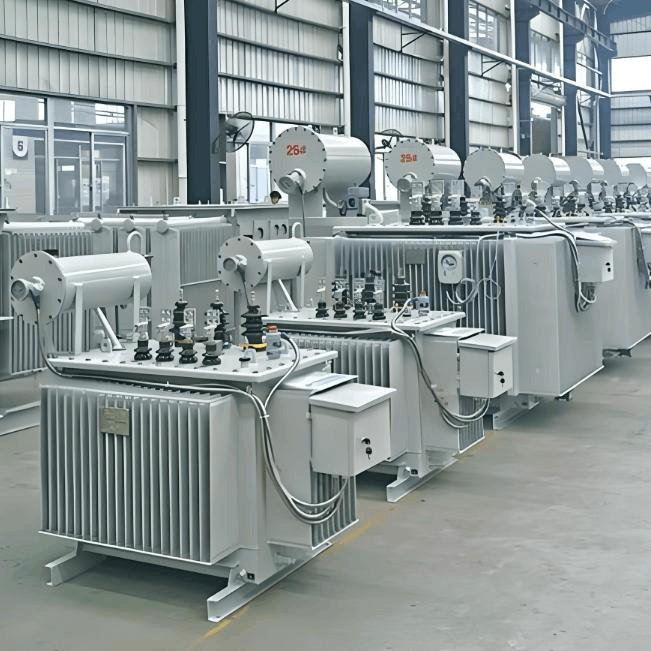
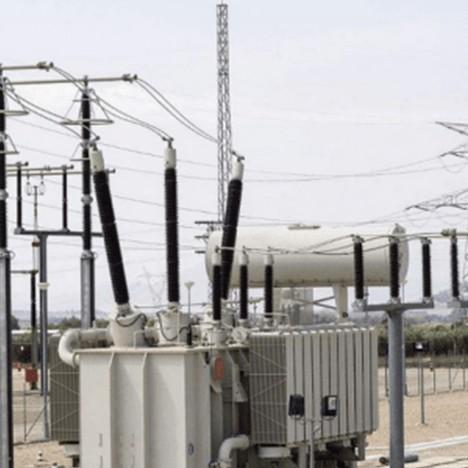
Commissioning Test Procedures for Oil-Immersed Power Transformers
Transformer Commissioning Tests Procedures1. Non-Porcelain Bushing Tests1.1 Insulation ResistanceSuspend the bushing vertically using a crane or support frame. Measure the insulation resistance between the terminal and the tap/flange using a 2500V insulation resistance meter. The measured values should not deviate significantly from factory values under similar environmental conditions. For capacitor-type bushings rated 66kV and above with voltage sampling small bushings, measure the insulation
12/23/2025
Consult
Tip
Consult
Tip
Purpose of Pre-Commissioning Impulse Testing for Power Transformers
No-Load Full-Voltage Switching Impulse Testing for Newly Commissioned TransformersFor newly commissioned transformers, besides conducting necessary tests according to handover test standards and protection/secondary system tests, no-load full-voltage switching impulse tests are typically performed before official energization.Why Perform Impulse Testing?1. Check for Insulation Weaknesses or Defects in the Transformer and Its CircuitWhen disconnecting a no-load transformer, switching overvoltages
12/23/2025
Consult
Tip
Consult
Tip
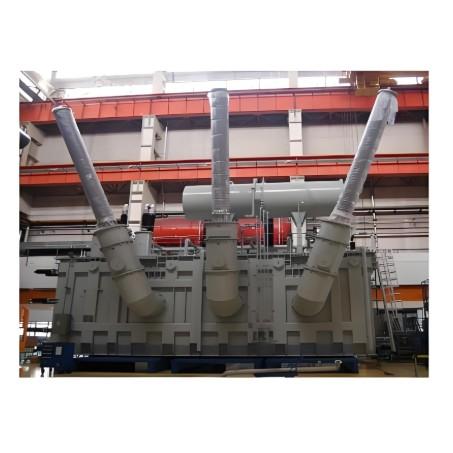
What are the classification types of power transformers and their applications in energy storage systems?
Power transformers are core primary equipment in power systems that realize electrical energy transmission and voltage conversion. Through the principle of electromagnetic induction, they convert AC power of one voltage level to another or multiple voltage levels. In the transmission and distribution process, they play a critical role in "step-up transmission and step-down distribution," while in energy storage systems, they perform voltage step-up and step-down functions, ensuring efficient pow
12/23/2025
Consult
Tip
Consult
Tip
Power transformers Insulation Resistance & Dielectric Loss Analysis
1 IntroductionPower transformers are among the most critical equipment in power systems, and it is essential to maximize prevention and minimize the occurrence of transformer failures and accidents. Insulation failures of various types account for more than 85% of all transformer accidents. Therefore, to ensure safe transformer operation, regular insulation testing of transformers is necessary to detect insulation defects in advance and promptly address potential accident hazards. Throughout my
12/22/2025
Consult
Tip
Consult
Tip
5 Fault Diagnosis Techniques for Large Power Transformers
Transformer Fault Diagnosis Methods1. Ratio Method for Dissolved Gas AnalysisFor most oil-immersed power transformers, certain combustible gases are produced in the transformer tank under thermal and electrical stress. The combustible gases dissolved in oil can be used to determine the thermal decomposition characteristics of the transformer oil-paper insulation system based on their specific gas content and ratios. This technology was first used for fault diagnosis in oil-immersed transformers.
12/20/2025
Consult
Tip
Consult
Tip
Power Transformers: Short Circuit Risks, Causes, and Improvement Measures
Power Transformers: Short Circuit Risks, Causes, and Improvement MeasuresPower transformers are fundamental components in power systems that provide energy transmission and are crucial induction devices ensuring safe power operation. Their structure consists of primary coils, secondary coils, and an iron core, utilizing the principle of electromagnetic induction to alter AC voltage. Through long-term technological improvements, the reliability and stability of power supply have continuously enha
12/17/2025
Consult
Tip
Consult
Tip
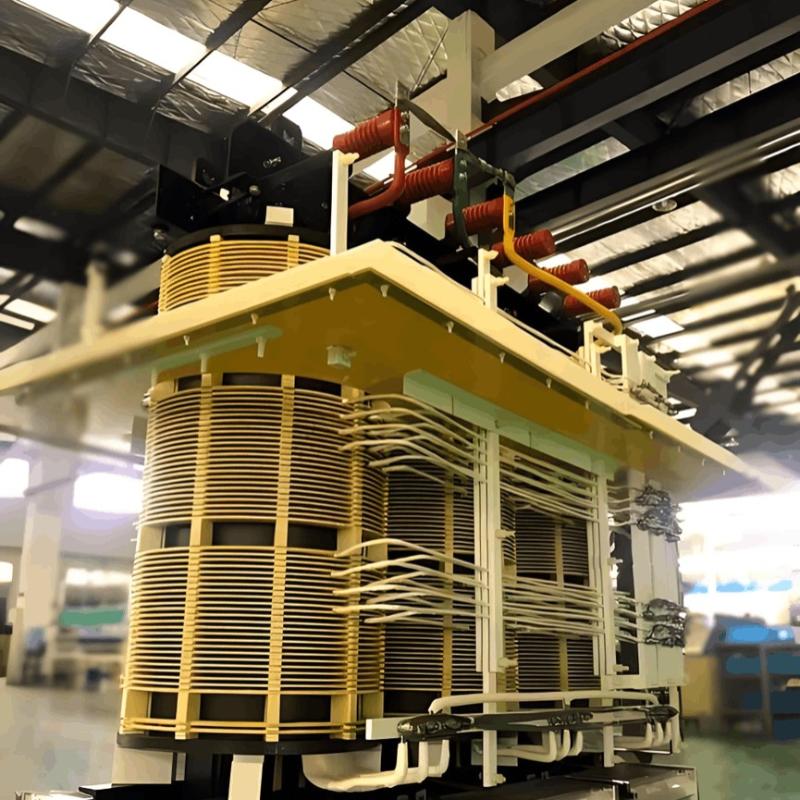
8 Key Measures to Reduce Partial Discharge in Power Transformers
Growing Requirements for Power Transformer Cooling Systems and the Function of CoolersWith the rapid development of power grids and the increase in transmission voltage, power grids and electricity users are demanding increasingly higher insulation reliability for large power transformers. Since partial discharge testing is non-destructive to insulation yet highly sensitive, effectively detecting inherent defects in transformer insulation or safety-threatening defects generated during transporta
12/17/2025
Consult
Tip
Consult
Tip
How does the oil in oil-immersed power transformers clean itself?
The self-cleaning mechanism of transformer oil is typically achieved through the following methods: Oil Purifier FiltrationOil purifiers are common purification devices in transformers, filled with adsorbents such as silica gel or activated alumina. During transformer operation, convection caused by oil temperature changes drives the oil to flow downward through the purifier. Moisture, acidic substances, and oxidation byproducts in the oil are absorbed by the adsorbent, thereby maintaining oil c
12/06/2025
Consult
Tip
Consult
Tip
Rectifier vs Power Transformer: Key Differences
Differences Between Rectifier Transformers and Power TransformersRectifier transformers and power transformers both belong to the transformer family, but they differ fundamentally in application and functional characteristics. The transformers commonly seen on utility poles are typically power transformers, while those supplying electrolytic cells or electroplating equipment in factories are usually rectifier transformers. Understanding their differences requires examining three aspects: working
10/27/2025
Consult
Tip
Consult
Tip
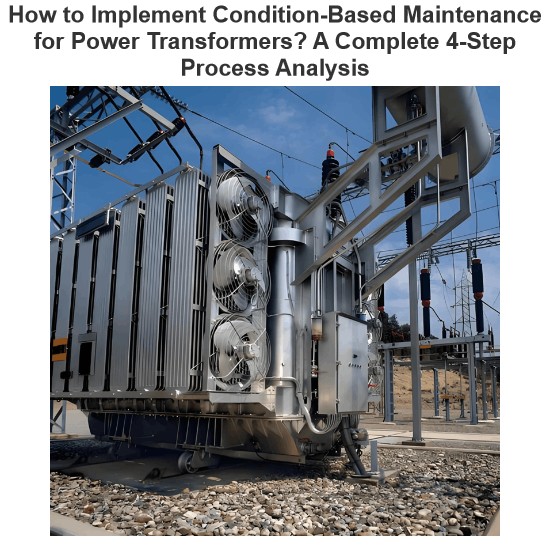
How to Implement Condition-Based Maintenance for Power Transformers? A Complete 4-Step Process Analysis
1. Definition of Condition-Based MaintenanceCondition-based maintenance refers to a maintenance method where decisions on whether and how to perform maintenance are determined based on the real-time operating status and health condition of equipment. It has no fixed maintenance methods or schedules. The prerequisite for condition-based maintenance is the establishment of equipment parameters and the comprehensive analysis of various operational information of the equipment, so as to make reasona
09/12/2025
Consult
Tip
Consult
Tip
Send inquiry
+86
Click to upload file
Download
Get the IEE Business Application
Use the IEE-Business app to find equipment, obtain solutions, connect with experts, and participate in industry collaboration anytime, anywhere—fully supporting the development of your power projects and business.