• Product
  • Suppliers
  • Manufacturers
  • Solutions
  • Free tools
  • Knowledges
  • Experts
  • Communities
Search


Free Expert Guides on Power Systems, Circuit Design & Electrical Troubleshooting

Access free engineering resources from IEE Business—covering power design, circuit layout, equipment selection, and troubleshooting. Expert-developed guides help engineers, procurement, and project teams make better decisions. Stay ahead on smart grids, renewables, efficiency, and AI tools. Improve reliability, reduce downtime, and enhance outcomes with real-world solutions. Explore our knowledge hub today.
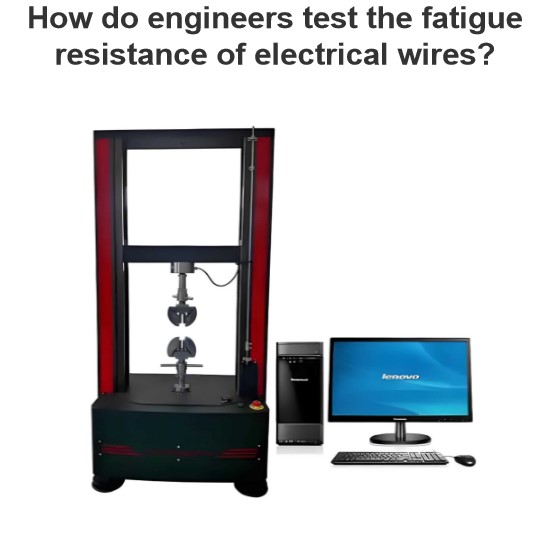
How do engineers test the fatigue resistance of electrical wires?
How Engineers Test the Fatigue Resistance of WiresTesting the fatigue resistance of wires is a crucial step to ensure their reliability and safety during long-term use. Wires are subjected to repeated bending, stretching, and vibration in practical applications, so evaluating their fatigue performance is essential. Below are some methods and techniques that engineers typically use to test the fatigue resistance of wires.1. Bending Fatigue TestPurpose:To assess the durability of wires under repea
01/10/2025
Consult
Tip
Consult
Tip
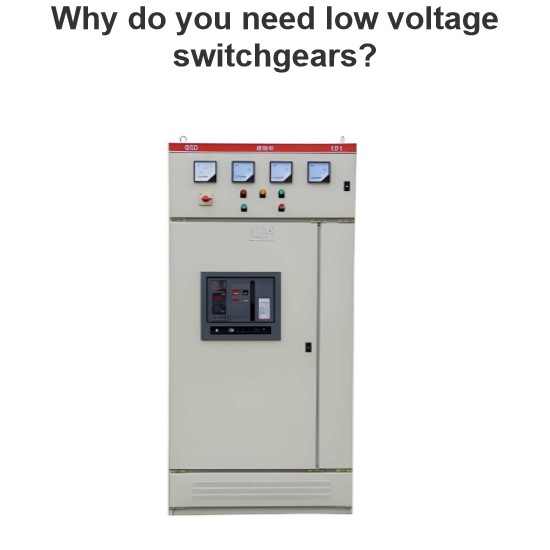
Why do you need low voltage switchgears?
Why Low Voltage Switchgear Is NeededLow voltage switchgear plays a crucial role in electrical systems, primarily used for controlling, protecting, and isolating electrical equipment. Below is a detailed explanation of why low voltage switchgear is necessary:1. Control FunctionsOne of the primary functions of low voltage switchgear is to control the operation of electrical systems. Through switchgear, circuits can be opened or closed to control the flow and distribution of power. Specific applica
01/09/2025
Consult
Tip
Consult
Tip
The difference between TT and TN grounding
In electrical power systems, earthing (grounding) is a critical measure to ensure the safety of electrical equipment and personnel. Depending on how the neutral point of the power source and the exposed conductive parts (such as metal enclosures) of electrical equipment are connected to the ground, power systems can be classified into various types. The two most common types are TN systems and TT systems. The primary differences between these systems lie in how the neutral point of the power sou
01/08/2025
Consult
Tip
Consult
Tip
What is electrical maintenance?
Electrical maintenance refers to the regular inspection, testing, repair, and upkeep of electrical equipment, systems, and facilities to ensure their safe, reliable, and efficient operation. The primary goal of electrical maintenance is to prevent failures, extend the lifespan of equipment, minimize downtime, and ensure the proper functioning of power systems. Effective electrical maintenance helps to maximize system performance, protect personnel and property, and optimize energy efficiency.1.
01/08/2025
Consult
Tip
Consult
Tip
Use of reactor group in induction motor
The purpose of the reactor bank in an induction motorIn an induction motor, the primary uses of a reactor bank include the following aspects:Stable Voltage and CurrentThe reactor plays a role in stabilizing voltage and current in an induction motor. It can reduce the overvoltage and overcurrent phenomena of the motor, providing a stable working environment. Specifically, the reactor limits the flow of current by increasing the impedance of the induction motor. This increase in impedance can effe
01/08/2025
Consult
Tip
Consult
Tip
What are the criteria for choosing an electrical circuit breaker?
Criteria for Selecting Electrical Circuit BreakersChoosing the right electrical circuit breaker is crucial for ensuring the safe and reliable operation of power systems. When selecting a circuit breaker, multiple factors must be considered to ensure its performance meets the specific application requirements. Below are the main criteria for selecting an electrical circuit breaker:1. Rated Voltage Definition: The rated voltage of a circuit breaker is the maximum voltage at which it can safely ope
01/08/2025
Consult
Tip
Consult
Tip
How do insulation and grounding help in preventing electrical accidents in high-voltage systems?
Insulation and grounding are two critical measures that help prevent electrical accidents in high-voltage systems. They work through different mechanisms to ensure system safety, reducing the risk of electric shocks, short circuits, and other electrical faults. Below is a detailed explanation of how insulation and grounding contribute to the safety of high-voltage systems.1. The Role of InsulationInsulation involves using non-conductive materials (such as ceramics, glass, or plastics) to isolate
12/30/2024
Consult
Tip
Consult
Tip
What is a voltage regulator?
A voltage regulator is an electrical device used to control and stabilize the output voltage, ensuring that it remains within a specified range even when the input voltage or load changes. Voltage regulators are widely used in power systems, industrial equipment, household appliances, and other applications to protect sensitive devices from voltage fluctuations and ensure stable system operation.1. Basic Functions of a Voltage Regulator Voltage Regulation: The primary function of a voltage regul
12/30/2024
Consult
Tip
Consult
Tip
How does SF6 extinguish an arc?
How SF6 (Sulfur Hexafluoride) Arc Quenching Works1. Physical and Chemical Properties of SF6 High Insulation Strength: SF6 molecules have a strong negative electronegativity, which allows them to rapidly capture free electrons, forming negative ions. These negative ions move more slowly and are less likely to cause ionization, resulting in the high insulation strength of SF6 gas. This makes SF6 far superior to air or vacuum in terms of insulation. High Heat Capacity: SF6 has a large molecular wei
12/27/2024
Consult
Tip
Consult
Tip
How can electrical fault testing prevent major power outages?
Electrical fault testing is a critical component of power system maintenance and management, aimed at detecting and preventing potential faults early to ensure the stability and reliability of the electrical grid. By identifying and addressing issues before they escalate, electrical fault testing helps prevent large-scale power outages. Below are the key measures and strategies involved in this process:1. Regular Preventive Maintenance and Testing Preventive Maintenance: Regularly inspect and ma
12/27/2024
Consult
Tip
Consult
Tip
Send inquiry
+86
Click to upload file
Download
Get the IEE Business Application
Use the IEE-Business app to find equipment, obtain solutions, connect with experts, and participate in industry collaboration anytime, anywhere—fully supporting the development of your power projects and business.