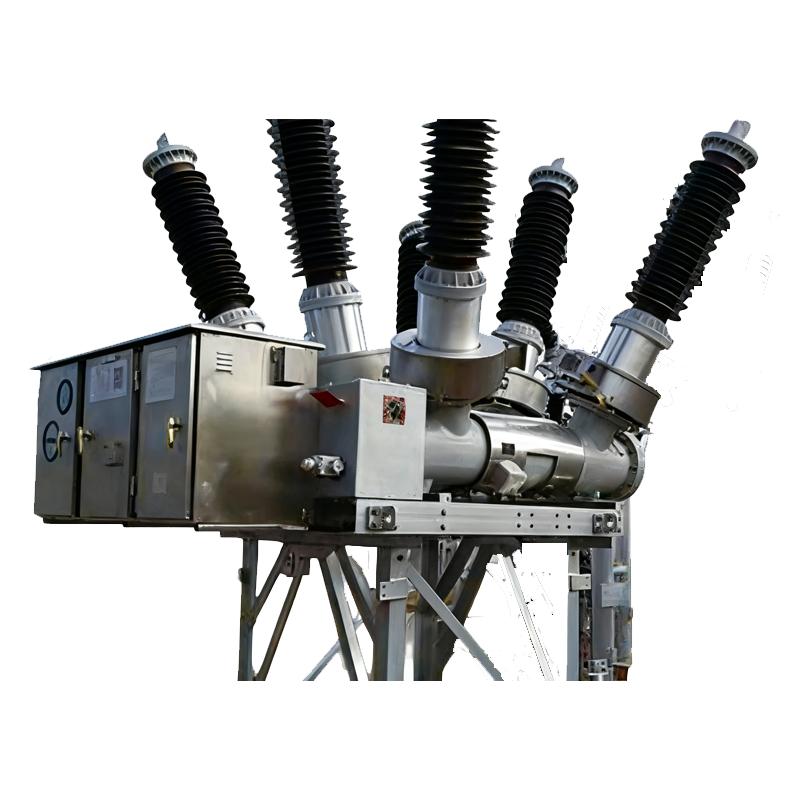
| Brand | ROCKWILL |
| Model NO. | Tank Type Vacuum Circuit Breaker(VCB)-120kV 168kV 204 kV |
| Rated voltage | 204kV |
| Rated normal current | 2000A |
| Rated frequency | 50/60Hz |
| Series | VBO |
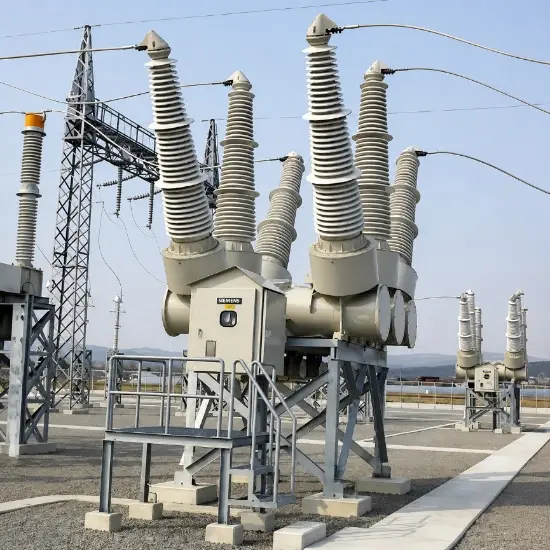
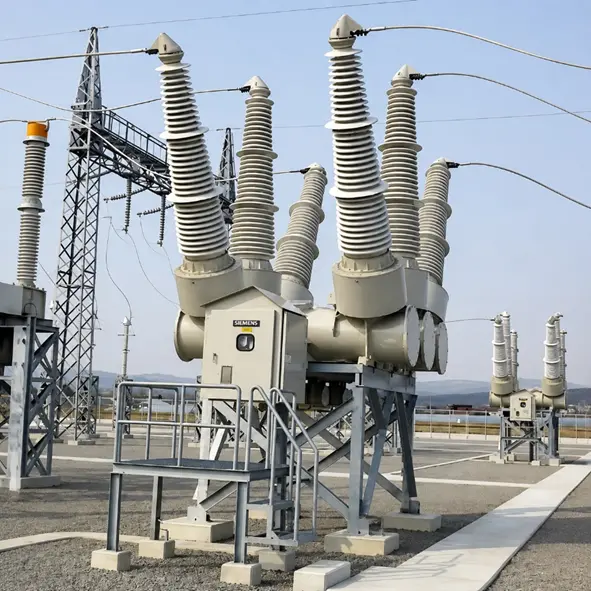
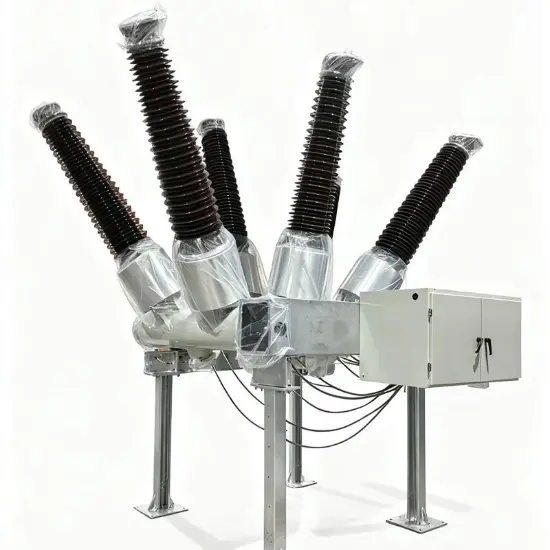
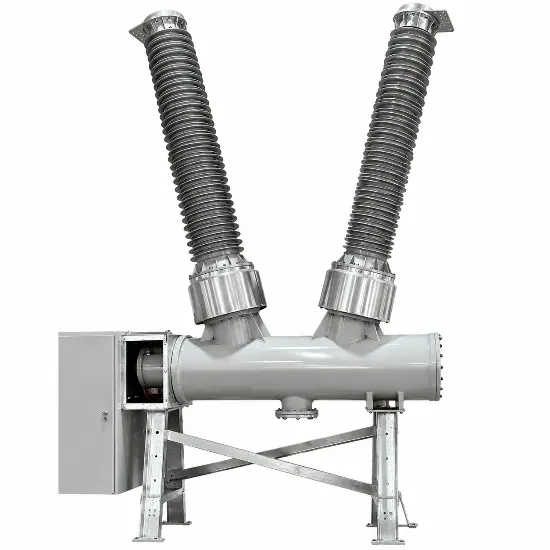
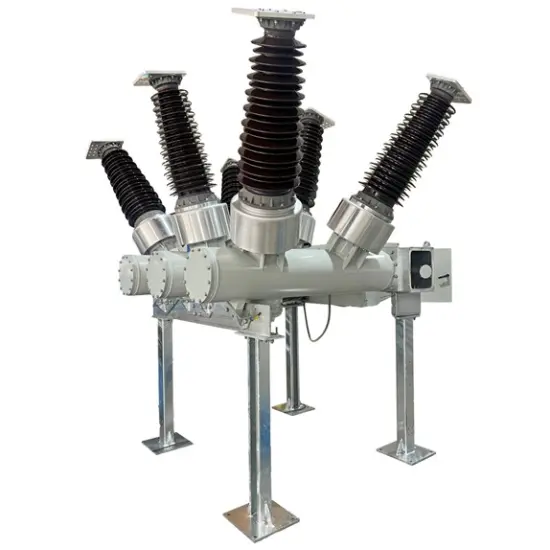
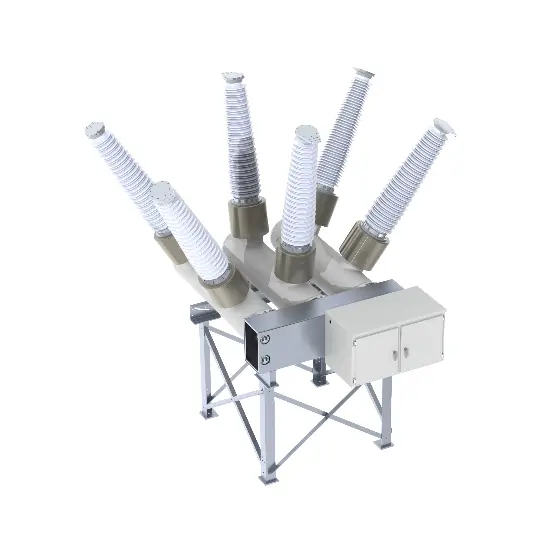
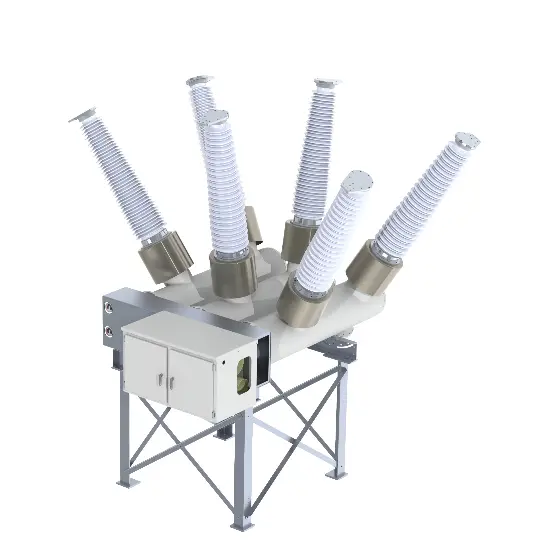
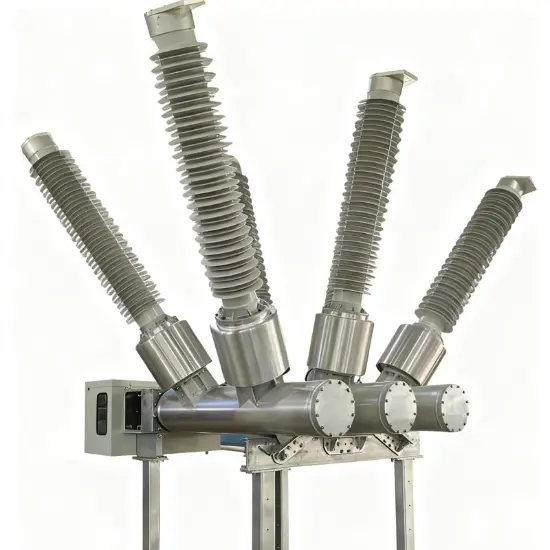
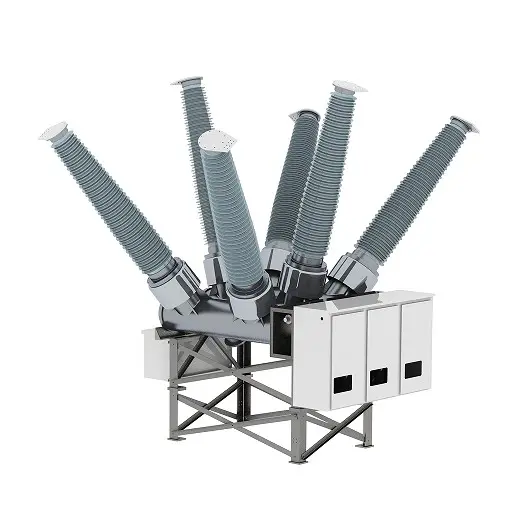
The 120kV, 168kV, and 204kV Tank Type Vacuum Circuit Breakers (VCBs) are high-voltage power switching solutions engineered for robust performance across medium-voltage power transmission and distribution networks. Designed with a sealed tank structure (tank type) to encapsulate core components, these VCBs leverage vacuum interrupters for reliable arc extinction, ensuring safe and efficient current interruption in medium-to-high voltage systems.
Whether deployed in harsh outdoor environments or compact indoor substations, they deliver consistent operation, long service life, and reduced lifecycle costs. The tank-type design uses SF₆ gas for insulation combined with vacuum interrupters for arc extinction — significantly reducing SF₆ gas volume to approximately one-third of conventional gas circuit breakers (GCB), making it a more sustainable choice for modern power infrastructure.
|
Rated voltage (kV) |
120kV |
168kV |
204kV |
|||
|
Rated current (A) |
1200 |
2000 |
1200 |
2000 |
1200 |
2000 |
|
Rated breaking current (kA) |
31.5 |
31.5 |
40 |
31.5 |
40 |
|
|
Rated opening time (s) |
0.06 (5 cycles) |
0.037 |
||||
|
Rated interrupting time (cycles) |
5/3 |
3 |
||||
|
Operating duty |
A (O - 1 min - CO - 3 min - CO), B (CO - 15 sec - CO), R (O - 0.35 sec - CO - 1 min - CO) |
|||||
|
Closing time (s) |
0.13 |
|||||
|
Rated closure operating voltage (V) |
DC100 |
|||||
|
Rated motor voltage (V) |
DC100 |
|||||
|
Insulation medium |
SF6 gas |
|||||
|
Rated gas pressure (MPa-g) |
0.15 (20℃) |
|||||
|
Operation system |
Motor-charged spring |
|||||
| Ambient air temperature — upper limit | +40 °C |
| Ambient air temperature — 24 h average | +35 °C |
| Ambient air temperature — lower limit | –25 °C |
| Altitude above sea level | ≤ 1 000 m |
| Relative humidity — 24 h average | ≤ 95 % |
| Relative humidity — monthly average | ≤ 90 % |
| Water vapour pressure — 24 h average | ≤ 2.2 kPa |
| Water vapour pressure — monthly average | ≤ 1.8 kPa |
| Solar radiation | ≤ 1 000 W/m² |
| Pollution degree | Class III |
The interrupter is typically installed inside the tank, resulting in a highly compact overall structure that enables efficient arc quenching within a limited space. Depending on the arc extinguishing principle and technical approach, the specific configuration of the interrupter may vary, but all designs include core components such as moving/stationary contacts, a nozzle, and insulating parts. During opening operation to interrupt the current, these components work together to achieve fast and reliable extinction of the arc.
The leakage rate of SF₆ gas must be controlled at an extremely low level, typically not exceeding 1% per year. SF₆ gas is a potent greenhouse gas, with a greenhouse effect 23,900 times that of carbon dioxide. If a leak occurs, it can not only cause environmental pollution but also lead to a decrease in the gas pressure within the arc quenching chamber, affecting the performance and reliability of the circuit breaker.
To monitor the leakage of SF₆ gas, gas leakage detection devices are typically installed on tank-type circuit breakers. These devices help to promptly identify any leaks so that appropriate measures can be taken to address the issue.
The core difference is the arc-extinguishing medium. A VCB uses a high vacuum inside a sealed ceramic or glass envelope — the vacuum rapidly diffuses ions and metal vapor after current zero, achieving arc extinction in <10 ms. An SF₆ CB uses sulfur hexafluoride gas, which has strong electron affinity — it captures free electrons to form heavy negative ions, quickly depleting the arc channel's conductivity.







 Login
Login