1. Project Background
Malaysia, located near the equator, experiences a typical tropical rainforest and monsoon climate characterized by year-round high temperatures (annual average: 23–32°C), extreme humidity, heavy rainfall (annual average exceeding 2,000 mm), frequent thunderstorms, and seasonal floods. Its power grid system faces the following challenges:
1.1 HV GIS Performance Constraints:
High humidity promotes condensation, accelerating metal component corrosion in conventional equipment, while elevated temperatures cause SF₆ gas pressure fluctuations, compromising insulation performance.
1.2 Extreme Weather:
Monsoon rains and flooding threaten equipment waterproofing, while frequent lightning activity increases operational overvoltage risks.
1.3 Renewable Energy Integration:
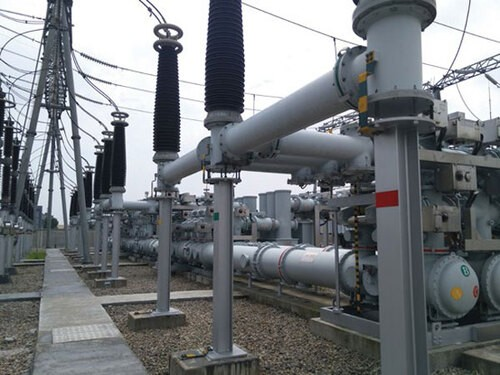
Malaysia aims to achieve 70% renewable energy (e.g., solar, hydropower) by 2050, requiring highly reliable transmission systems. High-Voltage Gas-Insulated Switchgear (HV GIS)—with its compact structure and fully enclosed gas insulation—provides critical advantages over traditional air-insulated switchgear (AIS), which exhibits 30% higher failure rates in humid environments.
2. Proposed Solutions
To address Malaysia's climatic and grid requirements, High-Voltage Gas-Insulated Switchgear (HV GIS) is optimized through the following innovations:
2.1 Climate-Adaptive Design for HV GIS
Humidity and Heat Resistance: Composite sealing and dynamic gas pressure regulation ensure HV GIS maintains stable SF₆ insulation under temperature extremes.
Flood and Dust Protection: Elevated installation and nano-filtration directly enhance HV GIS resilience against monsoons.
2.2 Smart Monitoring in HV GIS
AI-driven sensors and modular maintenance reduce downtime by 85%, a key advancement for HV GIS in tropical climates.
2.3 Localization and Sustainability:
Material optimizations lower HV GIS production costs, while SF₆/N₂ mixtures align with Malaysia's environmental mandates.
3. Achieved Outcomes
3.1 Enhanced Reliability:
High-Voltage Gas-Insulated Switchgear (HV GIS) reduced solar project failures in Sarawak by 88%, achieving an industry-leading MTBF of 15 years.
3.2 Economic Efficiency:
HV GIS modularity accelerated Penang's substation commissioning, saving MYR 12 million.
3.3 Environmental Benefits:
By enabling hydropower integration, HV GIS deployment cut annual CO₂ emissions by 120,000 tons.

 Login