Integradong mga Solusyon para sa Grid-Connected PV Power Station Transformers: Pagpili, disenyo, at Smart O&M
1 Pangunahing mga Pamamaraan at Teknolohikal na Ebolusyon ng Mga PV Transformers
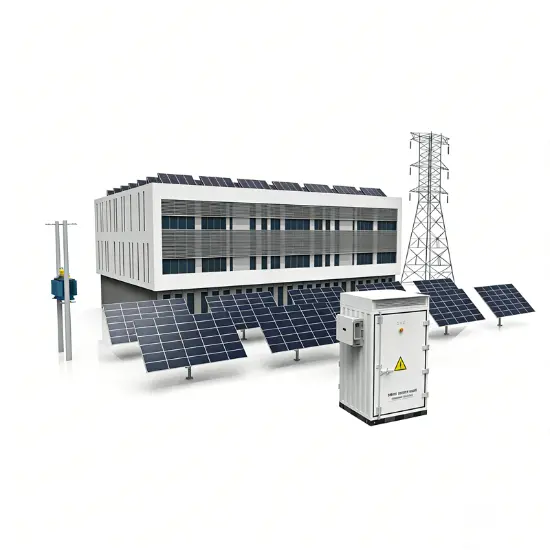
Sa grid-connected photovoltaic (PV) systems, ang mga transformers ay nagsisilbing kritikal na hub ng enerhiya conversion, na may direktang epekto sa efisyensiya ng power station at grid stability. Gamit ang mga prinsipyo ng electromagnetic induction, ang mga PV transformers ay nagpapataas ng mababang voltage na AC output mula sa inverters (karaniwang 380V-800V) hanggang sa medium/high-voltage levels na compatible sa grid (10kV-35kV), na nagbibigay-daan sa epektibong long-distance transmission at ligtas na grid integration. Ang pag-convert ng voltage na ito ay mahalaga: ang mga PV modules ay gumagawa ng DC power, na nananatiling mababa ang voltage pagkatapos ng inversion. Kung walang step-up conversion, ang line transmission losses ay maaaring lumampas sa 20%, na malubhang nagbabawas sa ekonomikong viability ng proyekto.
1.1 Electrical Isolation at Safety Protection
Ang modernong mga PV transformers ay naglalaman ng multilayer protection mechanisms para sa komprehensibong seguridad:
- Electrical Isolation: Nakakablock ng residual DC components mula sa inverters upang maiwasan ang DC bias sa grid transformers.
- Short-Circuit Protection: Ang disenyo ng impedance ay limita ang fault current sa 5-8 beses ng rated current, na minimizes ang pinsala sa equipment.
- Fire Safety: Para sa oil-immersed transformers, ang high-ignition-point insulation oils (halimbawa, natural ester oil, >350°C) ay bumabawas ng fire risk ng >70% kumpara sa mineral oil (~160°C), na ideal para sa remote stations na may limitadong firefighting resources.
1.2 Power Quality Optimization
Ang mga PV transformers ay direktang nagpapabuti ng grid compatibility:
- Harmonic Suppression: Ang built-in dynamic filters at specialized windings (halimbawa, dual-split design) ay nagpapababa ng high-frequency harmonics (THD karaniwang <3%).
- Voltage Fluctuation Mitigation: Ang On-Load Tap Changers (OLTC) ay nagbibigay ng ±10% dynamic voltage adjustment para sa long-distance transmission o load surges.
Tunay na data: Ang isang 200MW Saudi plant ay binawasan ang grid voltage distortion mula 4.2% hanggang 1.8% pagkatapos ng optimization, na bumawas ng annual downtime ng 45%.
1.3 Technology Trends and Innovations
Ang mga PV transformers ay umuunlad sa pamamagitan ng tatlong pangunahing innovation:
- Solid-State Transformers (SST): Nagpapalit ng iron cores sa power electronics, na nagpapataas ng >5kHz high-frequency isolation at reactive power compensation. Nagbabawas ng sukat ng 50% kasama ang millisecond response.
- Wide-Band Anti-Interference: Ang magnetic shielding at RC snubbers ay nagpapababa ng electromagnetic noise (1kHz-10MHz), na nagpapabuti ng stability sa weak grids.
- Adaptive Dynamic Compensation: Ang real-time monitoring ay nag-adjust ng winding turns batay sa phase changes, na nagbibigay ng compensation sa voltage sags (response time <20ms).
2 Key Selection Parameters and Optimization Strategies
Ang pagpili ng transformer ay nangangailangan ng siyentipikong calculation at scenario adaptation. Ang core parameters ay nagdetermina ng system efficiency at ROI.
2.1 Capacity Matching and Redundancy Design
Capacity (kVA) = PV Installed Capacity (kW) × Redundancy Factor, kung saan ang factor ay kasama:
- Basic Redundancy: 1.1× (para sa harmonic currents/transient overloads).
- Future Expansion: +0.1–0.15×.
- Environment: +0.05× sa high-temperature areas.
Case Study: Ang isang 800kW rooftop project ay pinili ang 1250kVA dry-type transformer gamit ang: 800 × (1.1 + 0.15) = 1000kVA. Ito ay nag-handle ng 1.3× transient overload sa tanghali at sumuporta sa 200kW expansion sa Year 2.
|
Project Type
|
Capacity Calculation
|
Typical Scenario
|
Recommended Transformer
|
|
Utility-Scale Plants
|
P × 1.25 + temp. compensation
|
50MW, ambient >40°C
|
Oil-immersed (≥31.5 MVA)
|
|
Rooftop Commercial
|
P × 1.3 + 0.15× expansion
|
1MW factory, space-constrained
|
Dry-type (1000–2500kVA)
|
|
Mountain Poverty Allev.
|
P × 1.15
|
200kW, no expansion planned
|
Pad-mounted
|
2.2 Voltage Adaptation and Topology
Ang tatlong-tier voltage validation ay nag-aasikaso ng stability:
- Primary: Low-voltage (LV) side matches inverter output (±5% tolerance):
- 380V system → 400V inverter
- 660V system → 630–690V inverter
- Secondary: High-voltage (HV) side aligns with grid standards:
- China: 10kV/35kV
- Europe/N. America: 33kV
- Phase: Connection group selection:
- Low-voltage grid: Ynd11 (30° phase compensation)
- High-voltage grid: Dy11 (3rd-harmonic suppression)
Failure Case: Ang isang 20MW Vietnam station ay nakalimutan ang voltage validation (380V/33kV transformer + 400V inverter), na nagresulta sa insulation aging sa loob ng 8 buwan at $230k revenue loss.
2.3 Loss Control and Efficiency Optimization
Ang mga transformers ay nangangatawan ng 15–20% ng station losses. Ang mga strategy ay kasama:
- Core Loss Reduction: Amorphous alloy cores (halimbawa, SG-B14) ay bumababa ng no-load loss ng 60%, na nag-save ng 42,000 kWh/year para sa 1.25 MVA transformer.
- Copper Loss Control: Copper foil windings (+3% conductivity) at liquid cooling ay nagbawas ng load loss ng 12%.
- Smart Sleep Mode: Automatic nighttime standby (power <0.5 kW).
ROI Analysis: Bagama't ang amorphous cores ay mas mahal ng 30%, ang 1MW system ay nag-achieve ng 37% lower annual loss costs, na may payback period <4 years.
3 Environmental Adaptability and Safety Protection
Ang iba't ibang deployment environments ay nangangailangan ng matibay na solusyon sa materials, structure, at protection.
3.1 Special Environmental Strategies
- High Altitude (>2000m): Enhanced insulation (power frequency withstand +30%) + sealed radiators. Ang 3000m Tibet plant ay binawasan ang winding temperature rise ng 15K.
- Coastal High Humidity/Salt: 316L stainless steel + triple coating (zinc epoxy primer, polyurethane mid-layer, fluorocarbon topcoat) → IP65 rating. Hermetic sealing (<5% humidity) prevented corrosion in an 8mg/m³ salt spray environment over 5 years.
- Desert Sand: Labyrinth air filters (99.5% efficiency) + self-cleaning fans extend maintenance to 6 months. Sandstorm auto-switch to internal circulation.
3.2 Structural Protection and Cooling Innovations
- Compact Rooftop Design: Vertical air ducts (+25% cooling area) with low-noise fans (<65dB).
- Integrated Pad-Mounted Units: Combine transformer, ring main unit, metering (<8m² footprint), cutting installation time by 70%.
- Phase-Change Cooling: Paraffin-based materials (70°C melting point) at hotspots enhance sustained overload capacity by 15%.
4 Smart O&M and Lifecycle Management
Ang maintenance ng PV transformer ay lumilipat mula sa "fail-and-fix" patungo sa "predict-and-prevent" gamit ang IoT at big data.
4.1 Smart Monitoring and Diagnostics
Tatlong-layer monitoring:
- Core Parameters: Winding temperature (±0.5°C fiber optics), dissolved gas analysis (H₂, CH₄, C₂H₂), vibration spectra (10kHz sampling).
- Edge Computing: Localized analysis triggers protection in <100ms.
- Cloud Platform: Matches fault codes (87% coverage), predicts lifespan (<5% error), auto-generates work orders.
Success Case: A 1MW rooftop system pre-empted interturn short-circuit 72h early, preventing 18kequipmentlossand18k equipment loss and 18kequipmentlossand5.2k/day outage.
4.2 Preventive Maintenance
Data-driven maintenance protocols:
- Oil-Immersed:
- Bi-annual: Oil withstand (>40kV), moisture testing (<20ppm).
- Biannual: IR thermography (alert if ΔT >15K).
- Dry-Type:
- Quarterly: Dust removal (airflow resistance <15Pa).
- Annual: Insulation resistance (>500MΩ).
Lifespan Extension: Dissolved gas analysis (DGA) with deep learning (LSTM) predicts lifespan with 92% accuracy. Proactive tap-changer replacement (after 60k operations) prevents failures.
4.3 Modular Design and Rapid Response
Leading vendors offer modular solutions to boost efficiency:
- Fault location via built-in impedance units (<10min).
- Regional spare parts warehouses (90% delivered in 24h).
- Plug-and-play design (<4h replacement vs. 3 days conventional).
- AR-assisted remote support.
Economy: Modular systems reduce repair costs by 45% and generation loss by 38%, ideal for distributed PV.
5 Integrated Solution Recommendations
5.1 Utility-Scale Plant Solutions
- Core: Oil-immersed (natural ester oil).
- Capacity: 10–100 MVA.
- Features:
- Dual-split windings (isolate inverter interference).
- Forced oil circulation (+40% cooling).
- Integrated OLTC (±15% range).
- Case: 31500kVA transformers at a 500MW desert plant achieved 99.3% annual availability.
5.2 Rooftop Distributed Solutions
- Core: Amorphous-core dry-type.
- Capacity: 500–2500 kVA.
- Features:
- Compact footprint (<2.5 m²/MVA).
- IP65 rated.
- Low noise (<65dB).
- Optimizations:
- Roof load verification (<800kg/m²).
- Ventilation clearance (≥1.5m front/rear).
- Surge arrester residual voltage ≤2.5kV.
Industrial Case: A 5MW coastal factory project saved 30% space and reduced O&M costs to $1.2k/year.
5.3 Special Scenario Applications
- Agrivoltaics:
- Elevated installation (>3m height).
- Anti-mildew coating (for RH >95%).
- Ultrasonic bird repellents + insulation jackets.
- Floating PV:
- Buoyant platforms (≥2× weight capacity).
- Multi-sealed enclosures (welded + epoxy-filled).
- Earth leakage monitoring (1mA sensitivity).
- Arctic Areas:
- Low-temperature heating strips (starts at -40°C).
- Synthetic oil (pour point <-45°C).
- Micro-positive-pressure cabinets (anti-icing).