Integritetul Solutions kwa Transformers ya PV Power Station za Grid-Connected: Chaguo, Ubunifu, na Smart O&M
1 Kazi Muhimu na Maendeleo ya Teknolojia ya Transformers ya PV
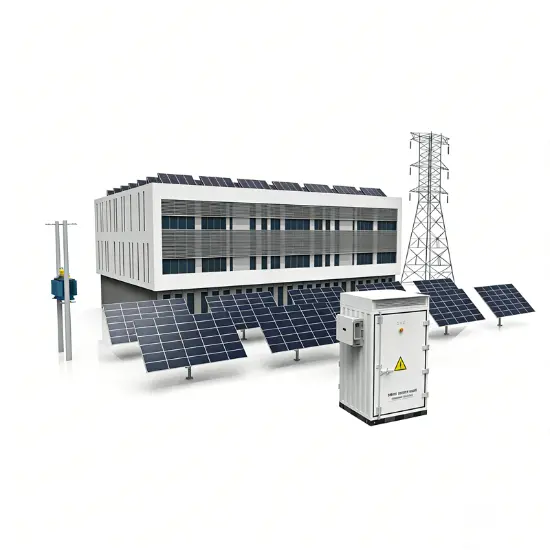
Katika mifumo ya PV (Photovoltaic) yenye grid-connection, transformers ni kitu muhimu cha kutumika kama chanzo cha utengenezaji wa nishati, na ufanisi wao unaweza kuathiri ufanisi wa stesheni na ustawi wa grid. Transformers hizi husaidia kutatua nishati ya AC chache kutoka kwa inverters (kawaida 380V-800V) hadi kiwango cha medium/high voltage ambacho linaweza kutumika kwenye grid (10kV-35kV), kusaidia kutumia nishati zima kwa umbali mrefu na kusimamia usalama wa grid. Utaratibu huu wa kutatua nishati ni muhimu: moduli ya PV hutengeneza nishati ya DC, ambayo inabaki chache baada ya inversion. Bila kutatua nishati, matukio ya kupoteza nishati yanaweza kuwa zaidi ya 20%, kuleta athari sana kwa viwango vya ekonomia.
1.1 Isolation ya Umeme na Ulinzi wa Usalama
Transformers ya PV modern ina majukumu mengi ya ulinzi:
- Isolation ya Umeme: Inazimia kuvuka kwa DC components kutoka kwa inverters ili kukosa biasing DC kwenye transformers ya grid.
- Ulinzi wa Circuit Imara: Ubora wa impedance unazimia current ya fault kusikia mara 5-8 ya rated current, kusaidia kuzuia madai kwa vifaa.
- Ulinzi wa Moto: Kwa transformers zenye oil-immersed, oils zenye temperature ya ignition point kubwa (mfano, natural ester oil, >350°C) huzimia hatari ya moto kwa asilimia zaidi ya 70% kuliko mineral oil (~160°C), ni nzuri kwa stesheni mbali ambazo hazina majukumu ya kutosha ya kudumu moto.
1.2 Kujenga Ufanisi wa Nishati
Transformers ya PV huongeza usalama wa grid:
- Kuzuia Harmonics: Filters maalum na windings (mfano, dual-split design) huzimia harmonics ya frequency kali (THD kawaida <3%).
- Kuzuia Matukio ya Voltage: On-Load Tap Changers (OLTC) huwezesha kutatua voltage kwa asilimia zaidi ya ±10% kwa transmission kwa umbali au surge za load.
Data ya dunia halisi: Stesheni ya 200MW Saudi Arabia ilipunguza distortion ya grid voltage kutoka 4.2% hadi 1.8% baada ya kuboresha, kurekebisha downtime kwa mwaka kwa asilimia 45%.
1.3 Mfano wa Teknolojia na Ubunifu
Transformers ya PV yanaendelea kwa ubunifu wa teknolojia tatu muhimu:
- Solid-State Transformers (SST): Huweka electronics za nguvu kwenye cores ya iron, kufanikiwa kwa high-frequency isolation zaidi ya 5kHz na reactive power compensation. Hupunguza ukubwa kwa asilimia 50% na response time ya milliseconds.
- Wide-Band Anti-Interference: Magnetic shielding na RC snubbers huzimia electromagnetic noise (1kHz-10MHz), kuboresha ustawi wa grid imara.
- Adaptive Dynamic Compensation: Monitoring ya real-time huchagua windings turns kulingana na changes ya phase, kuboresha voltage sags (response time <20ms).
2 Viwango Vya Chaguo na Strategia za Kuboresha
Chaguo la transformer linahitaji hesabu sahihi na adaptation ya scenario. Viwango muhimu vinatuma ufanisi na ROI.
2.1 Capacity Matching na Redundancy Design
Capacity (kVA) = Installed Capacity ya PV (kW) × Redundancy Factor, factor huu una:
- Redundancy ya Msingi: 1.1× (kwa harmonic currents/transient overloads).
- Expansion ya Baadaye: +0.1–0.15×.
- Mazingira: +0.05× katika eneo la joto.
Case Study: Project ya 800kW rooftop ilichagua 1250kVA dry-type transformer kwa kutumia: 800 × (1.1 + 0.15) = 1000kVA. Hili lilifanya 1.3× transient overload mnamo wiki na kusaidia expansion ya 200kW katika mwaka wa pili.
|
Aina ya Project
|
Hesabu ya Capacity
|
Scenario ya Kawaida
|
Transformer Inayopendekezwa
|
|
Utility-Scale Plants
|
P × 1.25 + temp. compensation
|
50MW, ambient >40°C
|
Oil-immersed (≥31.5 MVA)
|
|
Rooftop Commercial
|
P × 1.3 + 0.15× expansion
|
1MW factory, space-constrained
|
Dry-type (1000–2500kVA)
|
|
Mountain Poverty Allev.
|
P × 1.15
|
200kW, no expansion planned
|
Pad-mounted
|
2.2 Adaptation ya Voltage na Topology
Validation ya three-tier voltage inaweza kuboresha ustawi:
- Primary: Low-voltage (LV) side matches inverter output (±5% tolerance):
- 380V system → 400V inverter
- 660V system → 630–690V inverter
- Secondary: High-voltage (HV) side aligns with grid standards:
- China: 10kV/35kV
- Europe/N. America: 33kV
- Phase: Connection group selection:
- Low-voltage grid: Ynd11 (30° phase compensation)
- High-voltage grid: Dy11 (3rd-harmonic suppression)
Failure Case: A 20MW Vietnam station skipped voltage validation (380V/33kV transformer + 400V inverter), causing insulation aging within 8 months and $230k revenue loss.
2.3 Loss Control na Kuboresha Ufanisi
Transformers hupata 15–20% ya losses za stesheni. Strategies zinazotumiwa ni:
- Core Loss Reduction: Amorphous alloy cores (mfano, SG-B14) hupunguza no-load loss kwa asilimia 60%, kusaidia kugundua 42,000 kWh/mwaka kwa 1.25 MVA transformer.
- Copper Loss Control: Copper foil windings (+3% conductivity) na liquid cooling hupunguza load loss kwa asilimia 12%.
- Smart Sleep Mode: Automatic nighttime standby (power <0.5 kW).
ROI Analysis: Ingawa amorphous cores zinapatikana kwa gharama zaidi ya 30%, mifano ya 1MW hutafuta gharama za annual loss kwa asilimia 37%, na payback period <4 years.
3 Environmental Adaptability na Ulinzi wa Usalama
Mazingira tofauti yanahitaji suluhisho lenye nguvu kwa materials, structure, na ulinzi.
3.1 Strategies ya Mazingira Special
- Altitude Iliyoshirikiana (>2000m): Insulation yenye uzito wa power frequency (+30%) + sealed radiators. Plant ya 3000m Tibet ilipunguza winding temperature rise kwa 15K.
- Coastal High Humidity/Salt: 316L stainless steel + triple coating (zinc epoxy primer, polyurethane mid-layer, fluorocarbon topcoat) → IP65 rating. Hermetic sealing (<5% humidity) prevented corrosion in an 8mg/m³ salt spray environment over 5 years.
- Desert Sand: Labyrinth air filters (99.5% efficiency) + self-cleaning fans extend maintenance to 6 months. Sandstorm auto-switch to internal circulation.
3.2 Structural Protection na Cooling Innovations
- Compact Rooftop Design: Vertical air ducts (+25% cooling area) with low-noise fans (<65dB).
- Integrated Pad-Mounted Units: Combine transformer, ring main unit, metering (<8m² footprint), cutting installation time by 70%.
- Phase-Change Cooling: Paraffin-based materials (70°C melting point) at hotspots enhance sustained overload capacity by 15%.
4 Smart O&M na Lifecycle Management
PV transformer maintenance is shifting from "fail-and-fix" to "predict-and-prevent" using IoT and big data.
4.1 Smart Monitoring na Diagnostics
Three-layer monitoring:
- Core Parameters: Winding temperature (±0.5°C fiber optics), dissolved gas analysis (H₂, CH₄, C₂H₂), vibration spectra (10kHz sampling).
- Edge Computing: Localized analysis triggers protection in <100ms.
- Cloud Platform: Matches fault codes (87% coverage), predicts lifespan (<5% error), auto-generates work orders.
Success Case: A 1MW rooftop system pre-empted interturn short-circuit 72h early, preventing 18kequipmentlossand18k equipment loss and 18kequipmentlossand5.2k/day outage.
4.2 Preventive Maintenance
Data-driven maintenance protocols:
- Oil-Immersed:
- Bi-annual: Oil withstand (>40kV), moisture testing (<20ppm).
- Biannual: IR thermography (alert if ΔT >15K).
- Dry-Type:
- Quarterly: Dust removal (airflow resistance <15Pa).
- Annual: Insulation resistance (>500MΩ).
Lifespan Extension: Dissolved gas analysis (DGA) with deep learning (LSTM) predicts lifespan with 92% accuracy. Proactive tap-changer replacement (after 60k operations) prevents failures.
4.3 Modular Design na Rapid Response
Leading vendors offer modular solutions to boost efficiency:
- Fault location via built-in impedance units (<10min).
- Regional spare parts warehouses (90% delivered in 24h).
- Plug-and-play design (<4h replacement vs. 3 days conventional).
- AR-assisted remote support.
Economy: Modular systems reduce repair costs by 45% and generation loss by 38%, ideal for distributed PV.
5 Integrated Solution Recommendations
5.1 Utility-Scale Plant Solutions
- Core: Oil-immersed (natural ester oil).
- Capacity: 10–100 MVA.
- Features:
- Dual-split windings (isolate inverter interference).
- Forced oil circulation (+40% cooling).
- Integrated OLTC (±15% range).
- Case: 31500kVA transformers at a 500MW desert plant achieved 99.3% annual availability.
5.2 Rooftop Distributed Solutions
- Core: Amorphous-core dry-type.
- Capacity: 500–2500 kVA.
- Features:
- Compact footprint (<2.5 m²/MVA).
- IP65 rated.
- Low noise (<65dB).
- Optimizations:
- Roof load verification (<800kg/m²).
- Ventilation clearance (≥1.5m front/rear).
- Surge arrester residual voltage ≤2.5kV.
Industrial Case: A 5MW coastal factory project saved 30% space and reduced O&M costs to $1.2k/year.
5.3 Special Scenario Applications
- Agrivoltaics:
- Elevated installation (>3m height).
- Anti-mildew coating (for RH >95%).
- Ultrasonic bird repellents + insulation jackets.
- Floating PV:
- Buoyant platforms (≥2× weight capacity).
- Multi-sealed enclosures (welded + epoxy-filled).
- Earth leakage monitoring (1mA sensitivity).
- Arctic Areas:
- Low-temperature heating strips (starts at -40°C).
- Synthetic oil (pour point <-45°C).
- Micro-positive-pressure cabinets (anti-icing).