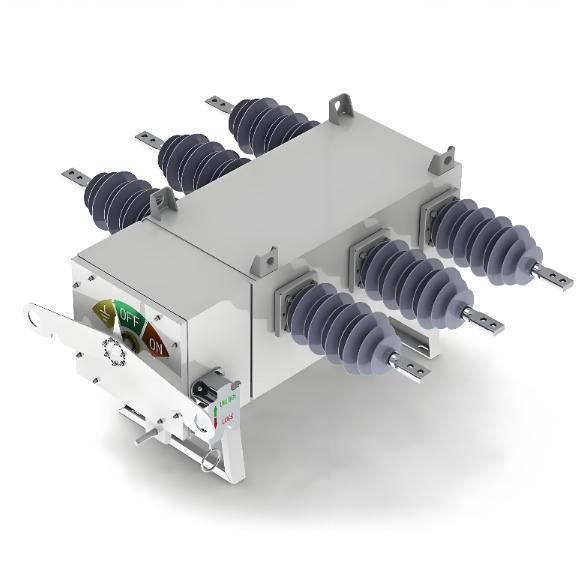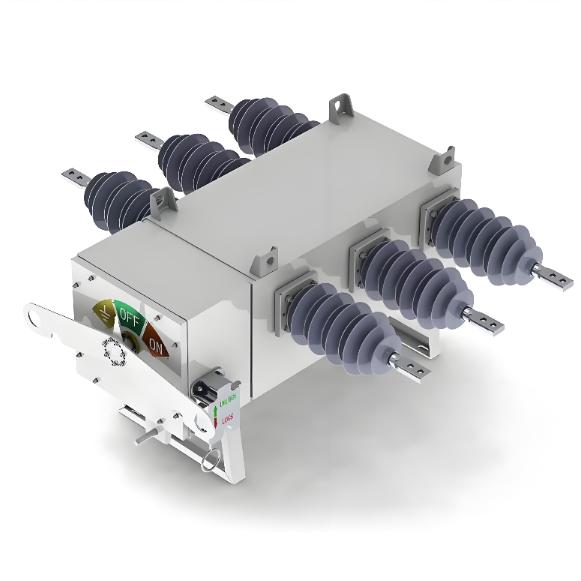
| Brand | ROCKWILL |
| Series | RPS-T |
| Rated voltage | 24kV |
| Rated normal current | 630A |
| Power frequency withstand voltage | 50Hz |
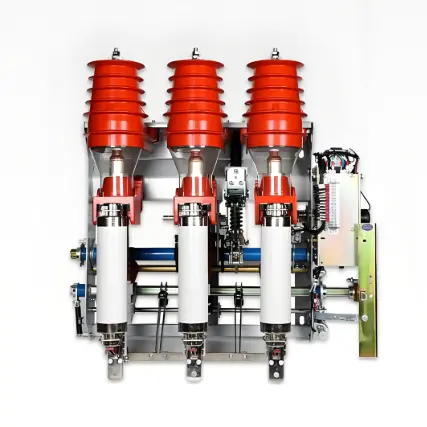
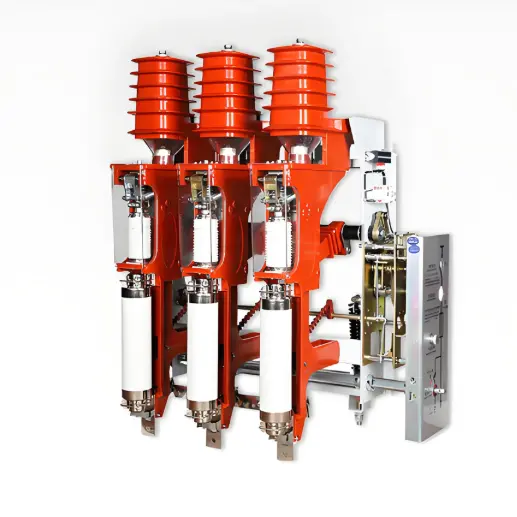
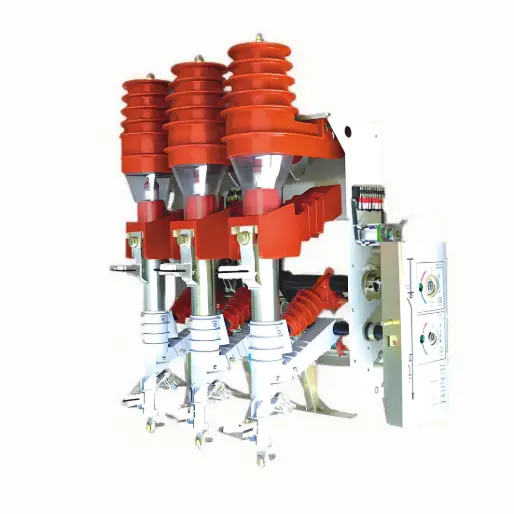
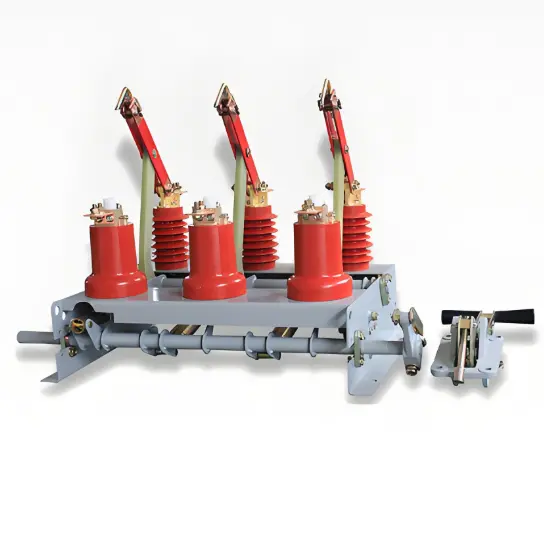
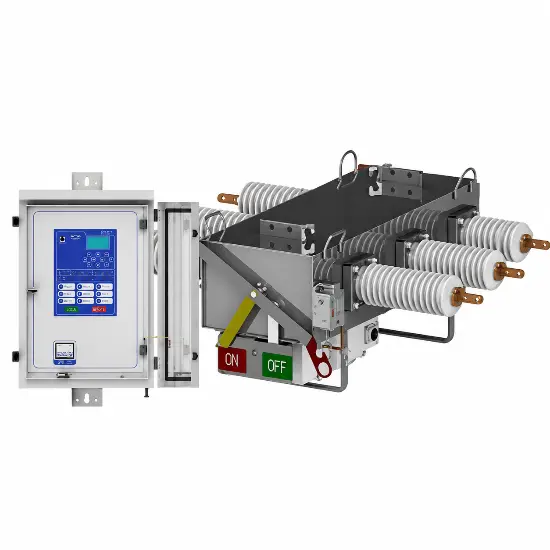
ROCKWILL® relies on years of extensive experience in high-voltage electrical design and integrates globally advanced technical design concepts to independently develop and launch the brand-new three-position pole-mounted load break switch (RPS-T). Tailored for power utilities and industrial enterprises that pursue high power supply reliability, promote distribution automation upgrading, and operate under harsh working conditions.
| NO. |
Item |
Unit |
Parameters |
Parameters |
| 1 |
Rated voltage |
kV |
12 |
24 |
| 2 |
Rated normal current |
A |
630 |
630 |
| 3 |
Power frequency withstand voltage |
Hz |
50 |
50 |
| 4 |
short-time withstand current |
kA/S |
20kA/4S |
20kA/4S |
| 5 |
Peak withstand current |
kA |
50 |
50 |
Required to determine the product type, name, number, rated current, the operating power supply type, operating voltage
According to user requirements are available:
The core of a 3-position switch lies in a single moving contact (typically rotary or reciprocating) shared between the "Closed," "Open," and "Earthed" states. This physical configuration ensures that the contact can only occupy one of the three positions at any given time. This "mutually exclusive" design fundamentally eliminates the possibility of the switch being simultaneously in the closed and earthed positions, thereby removing the need for complex and failure-prone external mechanical linkage interlocks. A deeper analysis also involves the "over-center" spring mechanism of the operating device, which ensures rapid and decisive switching to prevent the contact from stalling in an unstable intermediate position.
To meet the demands of smart grids, this transition explores the integration of high-precision, temperature-compensated pressure sensors for real-time gas density monitoring, alongside current and vibration waveform analysis of the operating mechanism to predict mechanical failures. This approach shifts the strategy from fixed-interval inspections to condition-based monitoring. By utilizing digital tools to mitigate SF6 leakage risks and analyze the "health index" of the equipment, operators can significantly extend the effective service life of the switchgear while reducing the O&M (Operation and Maintenance) costs associated with unnecessary manual shutdowns.











 Login