| Brand | ROCKWILL |
| Series | RLC |
| Rated Voltage | 3.3kV–38kV |
| Rated Load Current | Up to 320A |
| Interruption Method | Pure vacuum interruption, solid insulated pole |
| Rated Frequency | 50/60Hz |
Pure Vacuum Interruption | RFS+RWK Architecture | ROCKWILL
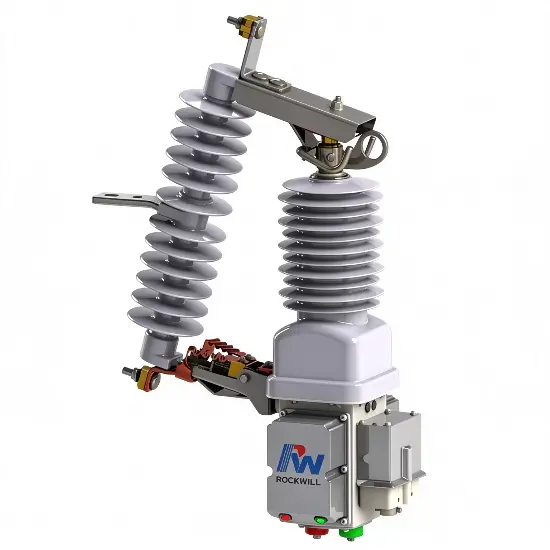
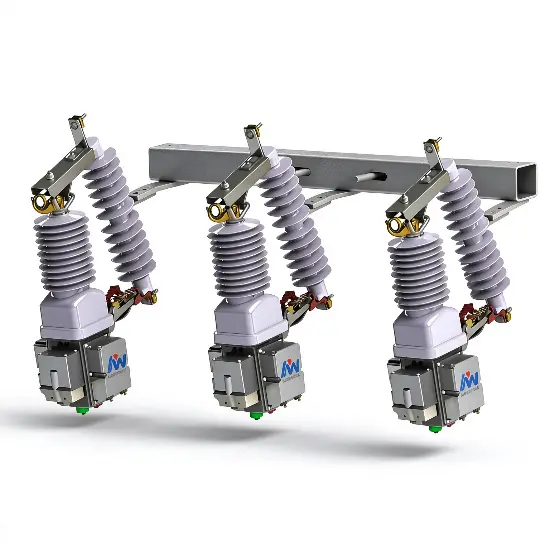
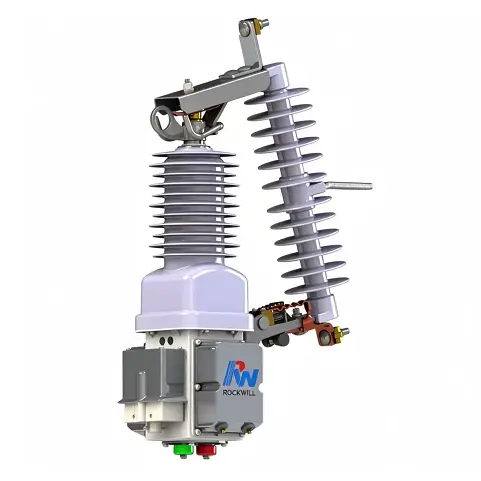
The RLC Intelligent Load Switching and Shedding Recloser is an outdoor medium-voltage distribution assembly.
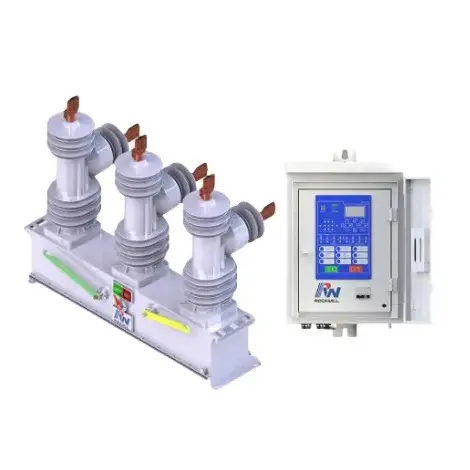
It uses the RFS pure vacuum switch body as the core for execution, sensing, and basic control, and the RWK intelligent control box as an upgrade module for virtual three-phase linkage, advanced protection, and SCADA communication.
It is dedicated to overhead line sectionalizing, loop coupling, capacitor bank switching, DG integration, and peak-valley load shedding.
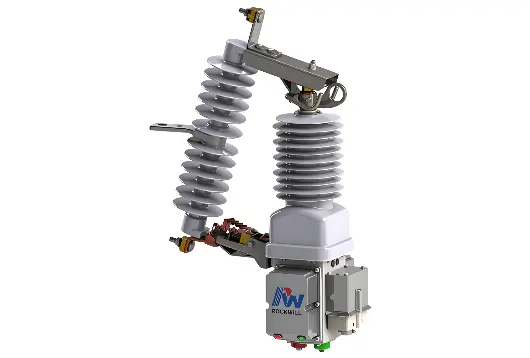
Quick Mnemonic: RLC = Complete Assembly; RFS = The "Brain + Hands" of the body; RWK = The advanced "Cloud Brain".
The RLC targets load intelligent switching and shedding scenarios in medium-voltage distribution networks (3.3kV–38kV). It is a pole-mounted switchgear that is SF6-free, features pure vacuum interruption, supports local autonomous operation, and allows for remote upgradeable control.
Compared to traditional load switches, the advantages of RLC are:
RFS Switch Body: Trinitized Execution, Sensing, and Basic Control
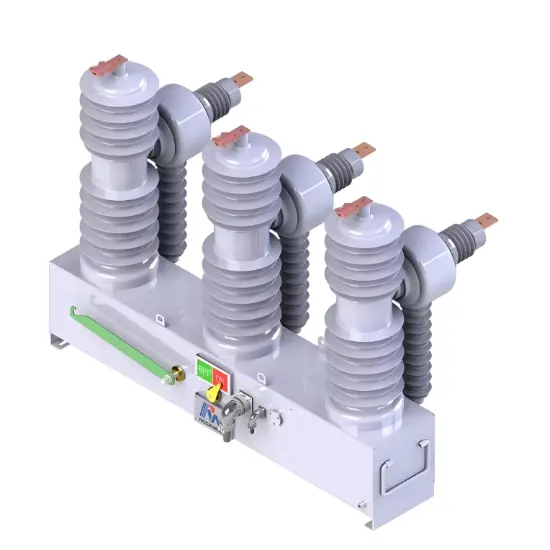
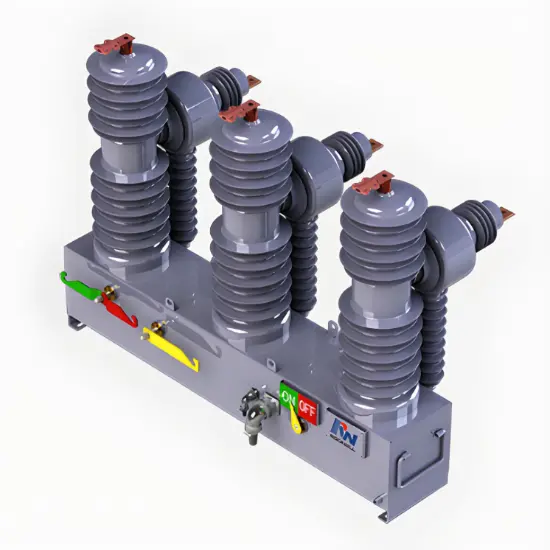
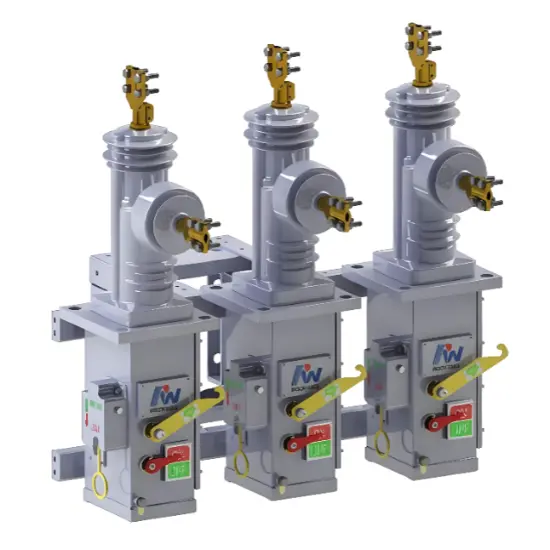
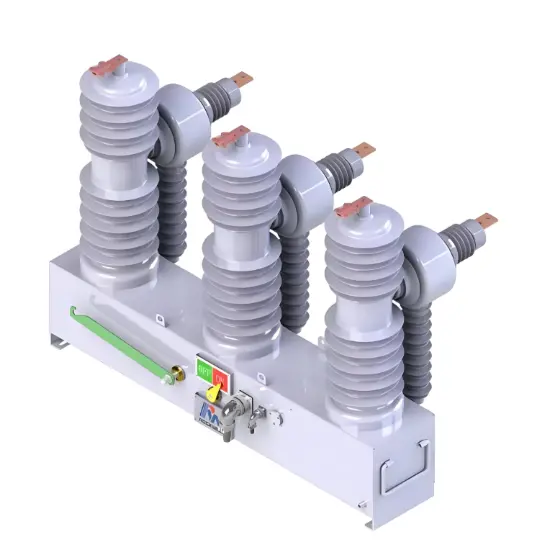
The RFS adopts an outdoor pole-mounted structure, using a pure vacuum interrupter as the sole arc-extinguishing medium, encapsulated in solid insulating poles.
It is free from SF6, oil, and gas pressure monitoring. Vacuum interruption offers fast arc extinction, strong dielectric recovery, long electrical life, and requires minimal maintenance. It is highly resistant to high humidity, salt spray, pollution, and extreme temperatures.
| Item | Specification |
|---|---|
| Rated Voltage | 3.3kV – 38kV (covers typical MV ratings: 12/15.6/24/33kV) |
| Rated Load Current | Up to 320A |
| Interruption Method | Pure vacuum interruption, solid insulated pole |
| Breaking Capacity | Load current, overload current, unloaded lines, unloaded transformers, and capacitor bank currents |
| Short-circuit Coordination | Permanent short circuits are isolated by upstream circuit breakers or fuses |
| Operating Mechanism | Permanent magnetic actuator, three-phase synchronous drive, high mechanical endurance |
| Insulation Level | Power frequency and lightning impulse withstand voltages configured per voltage class, meeting high outdoor pollution levels |
| Item | Specification |
|---|---|
| Time Strategies | Four independent daily cycle windows (C01–C04) with 1-minute resolution, supporting cross-midnight scheduling. |
| Mode Management | Dual-dimensional permission separation for AUTO/MANUAL × LOCAL/REMOTE. |
| Basic Protection | Phase overcurrent, zero-sequence overcurrent, undervoltage, overvoltage, no-current, inrush current identification, and cold load pickup suppression. |
| Basic Interlocking | Position feedback verification, operating power detection, capacitor discharge blocking, and reverse operation blocking. |
| Local HMI | Front panel LCD and navigation keys for independent configuration and monitoring. |
| Event Logging | Categorized archiving of operations, alarms, and mode changes, marked distinctly as Success, Denied, Failed, or Unknown. |
RWK Intelligent Control Box: An Upgrade Module, Not a Replacement
The RWK is stacked on top of the RFS to solve problems that a "single switch cannot handle alone":
Achieves phase synchronization, load balancing, and coordinated switching among multiple RLC units. Ideal for multi-node capacitor banks, distributed generation clusters, and flexible feeder dispatch.
Overlays on top of RFS basic protection:
Fault recording, event timing, topology identification, and operational trend analysis to support fault location and non-fault zone restoration.
The RLC is a complete switch assembly. The RFS switch body handles arc extinction and basic control, while the RWK is merely an optional intelligent upgrade module. All three are delivered as an integrated unit.
Rated voltage ranges from 3.3kV to 38kV, with a rated load current of up to 320A, utilizing pure vacuum interruption.
No. The entire series uses pure vacuum interrupters. It is free from SF6, oil, and requires no gas pressure maintenance.
No. The RFS body already integrates basic time strategies, protection, interlocking, and local control. The RWK is only selected when virtual three-phase linkage, advanced protection, or SCADA access is required.
Yes. The RFS runs independently according to local strategies. When the RWK restores communication, events and data are synchronized, without relying on continuous online connection to the master station.
The RLC can interrupt load and overload currents. Permanent short-circuit faults are isolated by upstream circuit breakers or fuses in coordination, while the RLC is responsible for zone isolation and load reconfiguration.














 Login