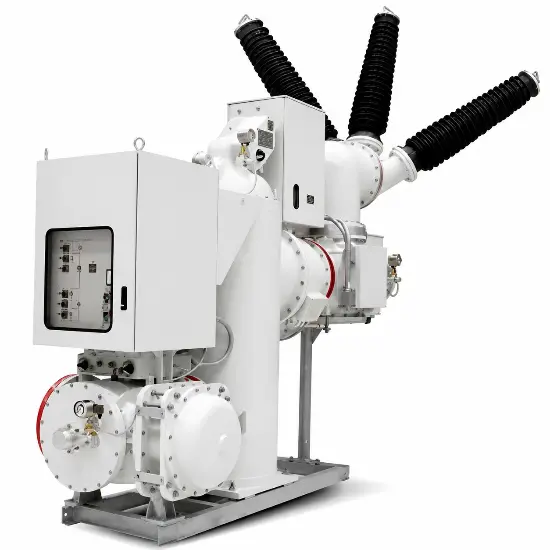
| Brand | ROCKWILL |
| Model NO. | HV Gas-Insulated Switchgear (GIS) for distribution substations-145 kV |
| Rated voltage | 145kV |
| Rated normal current | 3150A |
| Series | RHG |
| Rated voltage | 145 kV |
| Rated current | 2500/3150 A |
| Rated Frequency | 50/60 HZ |
| Rated Short-time Withstand Current (Ik) | 40 kA |
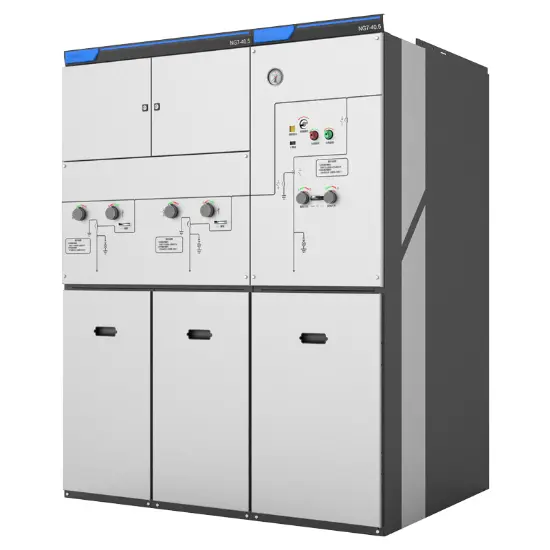
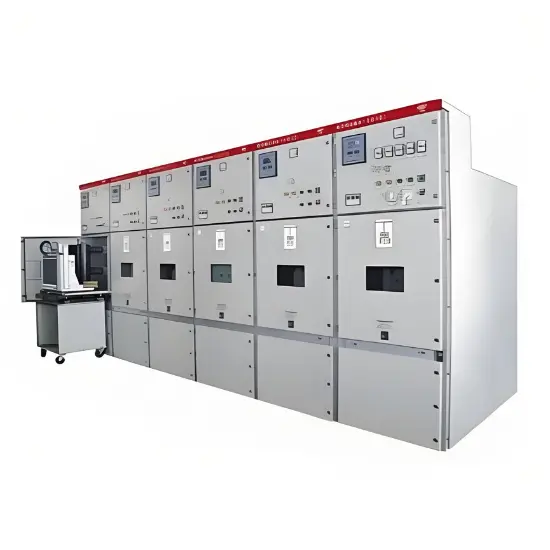
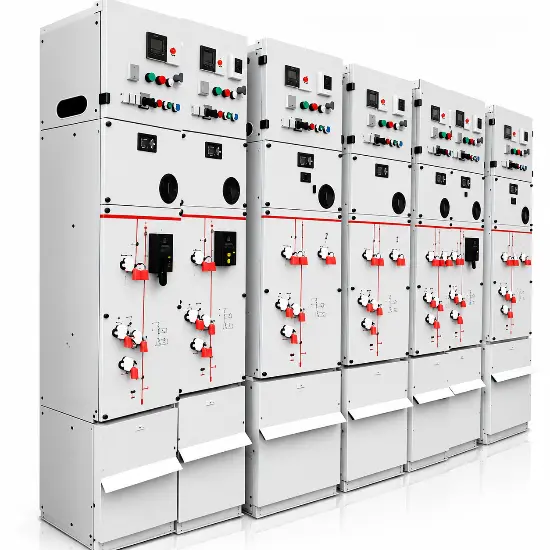
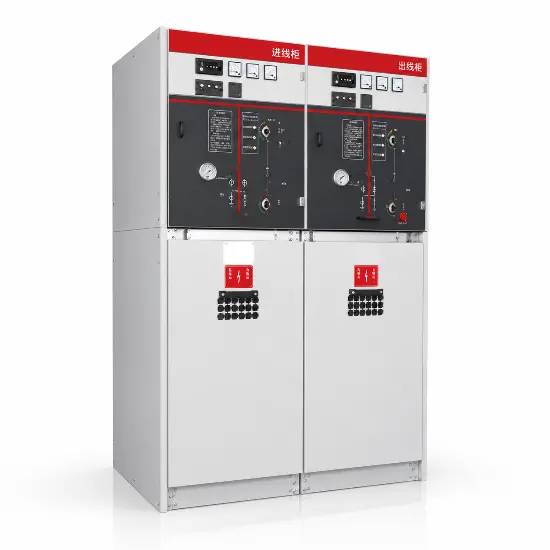
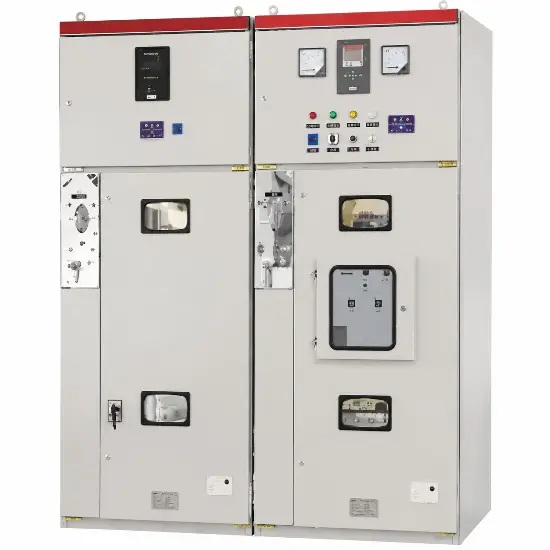
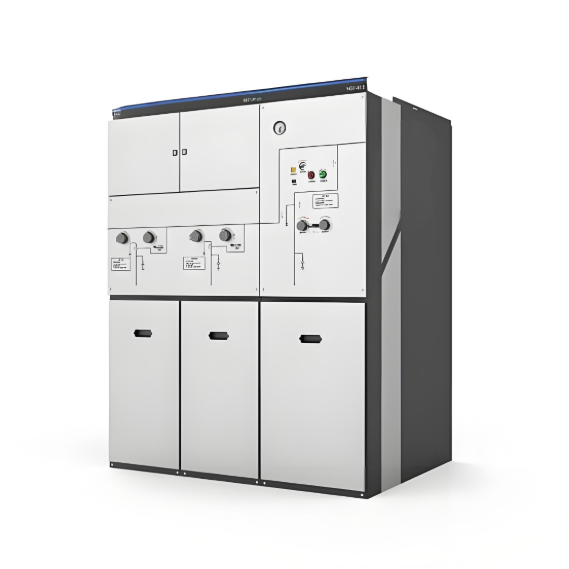
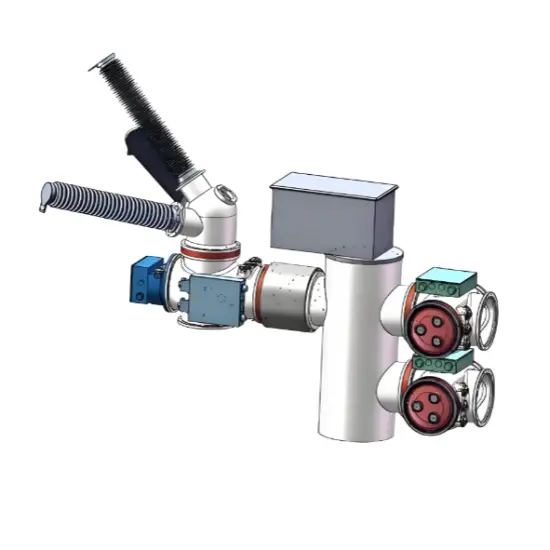
The RHG GIS is a high-performance SF6 gas-insulated switchgear designed for 145kV power transmission and distribution substations. Composed of standard modular components with same-sized flanged joints, it supports flexible combinations to meet substation optimization requirements while saving space.
| NO. | Items | Units | Parameter value | |
|---|---|---|---|---|
| 1 | Rated voltage | kV | 145 | |
| 2 | Rated current | A | 2500/3150 | |
| 3 | Rated Frequency | Hz | 50/60 | |
| 3 | Rated 1 min power frequency withstand voltage (1min RMS) | Phase-to-phase, phase-to-ground | kV | 275 |
| Across the isolating distance | kV | 315 | ||
| 4 | Rated lightning impulse voltage (peak) | Phase-to-phase, phase-to-ground | kV | 650 |
| Across the isolating distance | kV | 750 | ||
| 5 | Rated Short-time Withstand Current (Ik) | kA | 40 | |
| 6 | Rated short-time withstand current / rated duration of short-time | kA/s | 40/3 | |
| 7 | Rated peak withstand current | kA | 104 | |
Due to the excellent insulation performance, arc extinguishing performance and stability performance of SF6 gas, GIS equipment has the advantages of small footprint, strong arc extinguishing ability and high reliability, but the insulation ability of SF6 gas is greatly affected by the uniformity of the electric field, and it is easy to have insulation abnormalities when there are tips or foreign objects inside the GIS.
GIS equipment adopts a fully enclosed structure, which brings the advantages of internal components without environmental interference, long maintenance cycle, low maintenance workload, low electromagnetic interference, etc., while also having problems such as complex single overhaul work and relatively poor detection methods, and when the closed structure is eroded and damaged by the external environment, it will further bring a series of problems such as water ingress and air leakage.
The insulating property of SF₆ gas relies on its stable molecular structure, which makes electron escape and collision ionization difficult under normal operating voltages, ensuring high insulation resistance. In GIS, insulation is precisely maintained by controlling gas pressure, purity, and electric field distribution to guarantee a uniform and stable electric field between high-voltage conductors and the grounded enclosure.
The core difference lies in the scenario adaptability brought by the "hybrid application of insulating media": ① Compared with fully gas-insulated GIS, HGIS connects via air-insulated busbars, reducing reliance on a fully enclosed gas environment. It has more advantages in scenarios where installation space is relatively sufficient but the volume of core components needs to be controlled; ② Compared with fully air-insulated AIS, the core functional modules of HGIS adopt gas insulation, resulting in a more compact structure. It is suitable for scenarios with limited floor space (such as urban substations and offshore platforms) and reduces the impact of the external environment on core components.











 Login