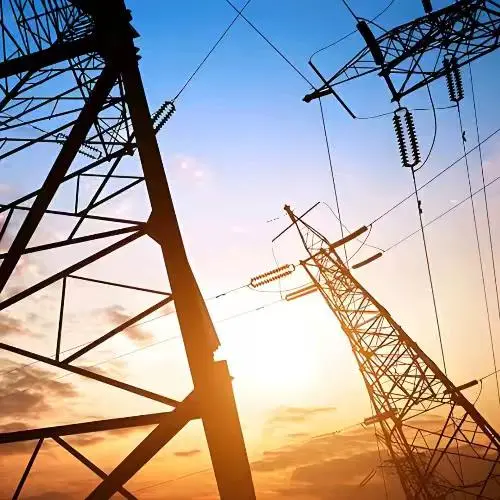
1. Ano ang Recloser?
Ang recloser usa ka automatikong high-voltage electrical switch. Parehas sa circuit breaker sa mga household electrical systems, it interrumpts power kung may fault—tulad ng short circuit—na nangyayari. Gayonpaman, hindi tulad ng household circuit breaker na nangangailangan ng manual reset, ang recloser ay awtomatikong monitory ang linya at detirmina kung ang fault ay nalis na. Kung ang fault ay pansamantalang, ang recloser ay awtomatikong magsasara muli at magbabalik ng power.
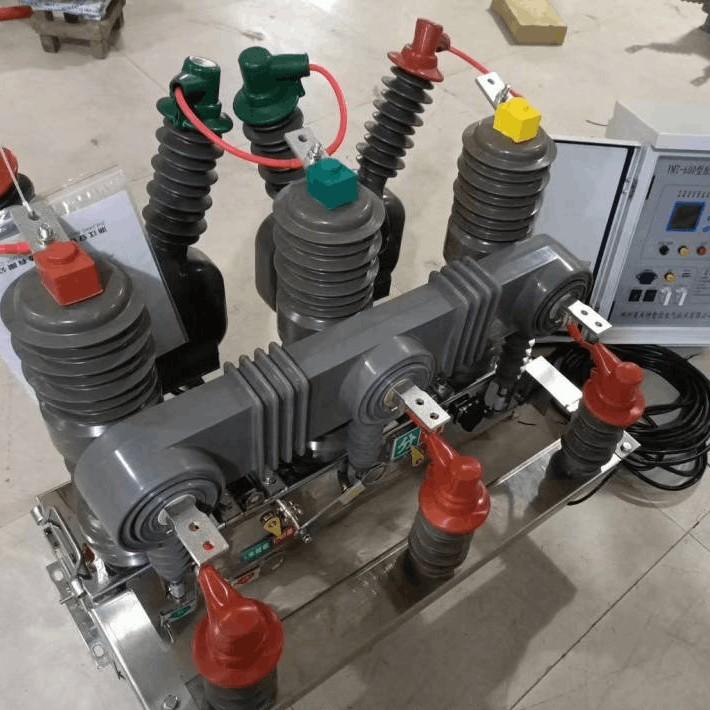
Ginagamit ang reclosers sa lahat ng distribution systems—from substations hanggang sa utility poles sa residential areas. Mayroon silang iba't ibang uri, kasama ang compact single-phase reclosers para sa single-phase lines at mas malaking three-phase reclosers para sa substations at high-voltage distribution lines hanggang 38 kV.
Ang disenyo at performance ng recloser ay pinagbibigyan ng international standards tulad ng ANSI/IEEE C37.60 at IEC 62271-111.
Ang automatic circuit reclosers ay tinatawag ng electric utilities sa buong mundo bilang mahalagang device para makamit ang kanilang pangunahing layunin: magbigay ng pinakapagpapatuloy at reliable power supply sa customers sa isang simple at cost-effective manner.
Maaaring detekta at interrumpta ng fault currents ang reclosers, pagkatapos ay awtomatikong ibabalik ang power kapag ang pansamantalang fault ay nalis na. Sa esensya, ang recloser ay isang self-contained intelligent device na capable ng sensing overcurrent, timing, interrupting fault current, at awtomatikong magsasara muli upang i-re-energize ang linya.
Kung ang fault ay permanent, ang recloser ay lock out pagkatapos ng preset number of operations—karaniwang tatlo hanggang apat na attempts—upang maputol ang faulty section mula sa rest ng system. Ang kakayahan na ito ay nakakatipid ng significant time at operational costs sa utilities, dahil karaniwan ang power ay ibabalik matapos ang isang o dalawang maikling voltage flickers, walang kailangan ng field intervention.
Sa mga kaso kung saan hindi maiwasan ang crew dispatch, tumutulong ang reclosers upang minimisihin ang outage footprint at matulungan ang maintenance personnel na mabilis na lokasyonin ang fault at ibalik ang serbisyo. Ang residential, commercial, industrial, at institutional customers ay lahat nagbubunga ng reduced disruption at associated costs. Kung wala ang mataas na antas ng supply reliability, maraming critical modern loads—tulad ng computers, water pumps, at automated production lines—ay magkakaroon ng hirap na mag-operate ng maayos.
Kapag may fault na nangyari sa linya, ang recloser ay detektado ito at awtomatikong trip upang interrumpta ang power. Pagkatapos ng napakamaikling interval—madalas na sobrang maikli na lang ito nagiging momentary light flicker—sinusubukan ng recloser na magsara muli at ibalik ang power. Kung patuloy ang fault, ito ay trip ulit.
Pagkatapos ng karaniwang tatlong unsatisfactory attempts, inilalarawan ng recloser ang fault bilang permanent at nananatiling bukas (locked out). Sa punto na ito, kinakailangan ng utility crews na bisitahin ang site upang i-repair ang damaged infrastructure at manu-manong i-reset ang recloser upang ibalik ang power.
Karaniwang permanent faults:
Lightning damage sa conductors o equipment
Tree limbs na bumabagsak at nagdudulot ng pinsala sa lines
Vehicle collisions sa poles o hardware
Ang karamihan ng faults sa overhead distribution lines ay temporary. Halimbawa nito ang lightning strikes, wind-blown conductors, o momentary contact dahil sa birds o small animals. Ang mga fault na ito ay karaniwang self-clear pagkatapos interrumpta ang power at hindi nagdudulot ng lasting damage sa linya.
Common types of temporary faults:
Wind-induced clashing ng conductors
Flashover sa insulator surfaces dahil sa lightning-induced overvoltage
Momentary bridging sa live conductors at grounded parts dahil sa birds, rodents, o iba pang animals
Tree branches na briefly contacting energized lines
Switching surges na nagdudulot ng insulator flashover
Ang long-term operational data at field experience ay malinaw na nagpapakita ng importansya ng “trip-and-reclose” function. Kung ang linya ay de-energized momentarily, ang fault source madalas na nawawala—ginagawa ang successful reclosing na napakataas ang probabilidad. Samakatuwid, ang automatic circuit reclosers ay halos nag-eeliminate ng prolonged outages dahil sa temporary faults o transient overcurrents sa distribution systems.
5.1 Single-phase reclosers

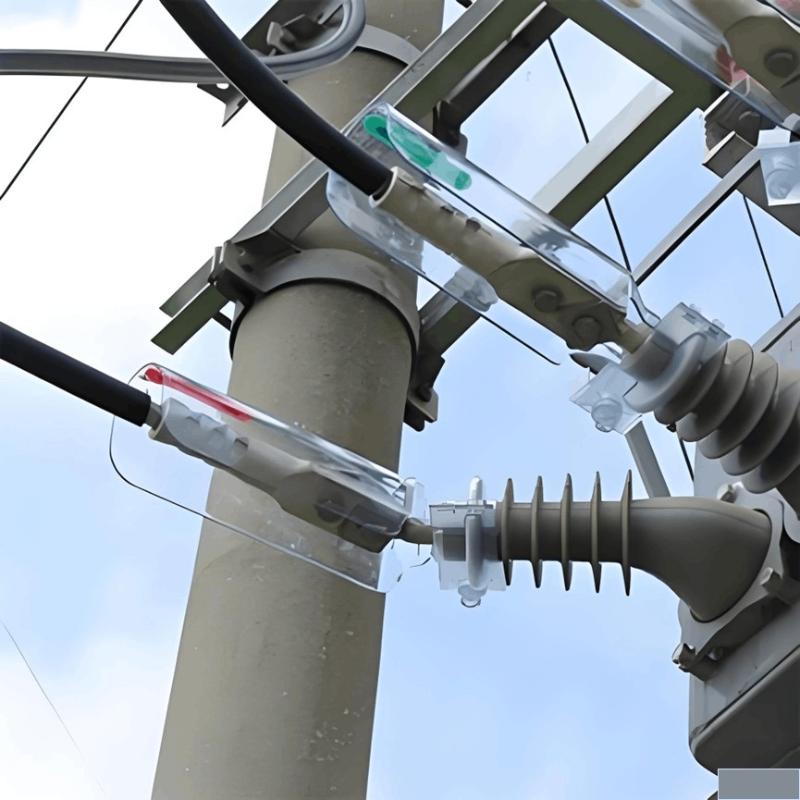
Ginagamit ang single-phase reclosers upang protektahan ang single-phase circuits, tulad ng branch lines o tap-offs mula sa three-phase feeder. Maaari rin silang ilagay sa three-phase circuits kung ang majority ng load ay single-phase.
Kapag may permanent phase-to-ground fault, ang affected phase lamang ang locked out, habang ang natitirang two-thirds ng system ay patuloy na nagbibigay ng power—pinapabuti ang overall service continuity.
Dahil sa kanilang mas maliit na timbang kumpara sa malaking three-phase reclosers, ang single-phase units ay karaniwang inilalagay direktang sa utility poles o substation steel structures gamit ang kanilang integrated mounting brackets, walang kailangan ng additional support frames.
Batasan sa disenyo, ang mga single-phase reclosers mahimo nga adunay hydraulic control (integrated sa oil tank sa recloser) o electronic control (naka-housed sa separate control cabinet).
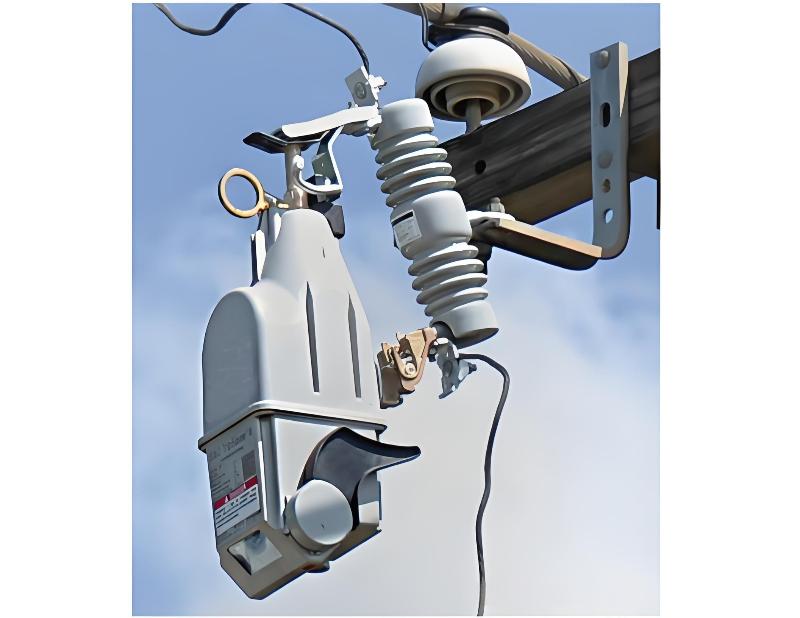
Tandaan, ang mga single-phase reclosers kasagaran na usab naka-disponibleng sa cutout-style form factor, nga nagpakita og mataas nga lebel sa integration tali sa primary ug secondary components. Kini mahimong i-install direkta sa standard fuse cutout mounting bases ug kasagaran gamiton alang sa branch circuit protection, may mga typical rated currents hangtod sa 200 A.
Ang usa ka representative manufacturer mao ang S&C Electric Company (USA), diin ang ilang TripSaver® II product mahimong ehempiyo niining klase, as shown below:
Ang three-phase reclosers gamiton sa three-phase distribution lines aron mapataas ang system reliability. Sa event og bisan unsa nga permanent fault, ang tanang three phases ma-lock out simultaneously, aron maprevent ang risk sa single-phasing para sa critical three-phase loads— sama sa dako nga three-phase motors—which mahimo magamit sa unbalanced o incomplete voltage supply.
Ang pagpili sa usa ka three-phase recloser batasan sa required electrical ratings, interrupting and insulation medium (e.g., oil, vacuum, o environmentally friendly gases), ug ang pagpili sa hydraulic control (integrated sa unit) o electronic control (naka-housed sa separate control cabinet).
Kini ang standard operating mode alang sa dako nga reclosers. Bisan kinsa ang fault, yaiba nga single-phase-to-ground fault, phase-to-phase fault, o three-phase fault, ang tanang three poles trip simultaneously during each operation. Ang tripping ug reclosing sa tanang three phases mechanically linked ug driven sa usa ka operating mechanism, ensuring synchronized performance.
Ang three-phase reclosers support various mounting configurations, including:
Pole-mounted frames (for overhead line installations)
Substation mounting frames (for substation or pad-mounted applications)

Ang triple-single reclosers electronically controlled ug offer three operating modes:
Three-phase trip and three-phase lockout
Ang tanang three phases trip simultaneously tungod sa overcurrent, reclose simultaneously, ug operate in the same sequence.
Single-phase trip and three-phase lockout
Ang bawat phase independently performs overcurrent tripping ug reclosing. Kon bisan unsa nga phase enters the lockout sequence tungod sa permanent fault, o kon local/remote "lockout" command is issued, ang ubang duha ka phases will also trip ug enter lockout, thereby preventing prolonged single-phasing of three-phase loads.
Single-phase trip and single-phase lockout
Ang bawat phase trips ug locks out independently, without affecting the others. Kini nga mode primarily used for residential loads, o in scenarios where three-phase loads are already protected against single-phasing by other means.
Ang triple-single reclosers mahimong i-mount sa poles using a pole mount frame, o installed sa substation frames o directly onto substation steel structures.
Ang "intelligence" nga makapahimo sa recloser nga masensehan ang overcurrent, select time-current characteristics, perform tripping ug reclosing operations, ug ultimately lock out gikan sa iyang control system. Adunay duha ka main types of control: integral hydraulic control ug electronic control housed in a separate control cabinet.
Hydraulic control
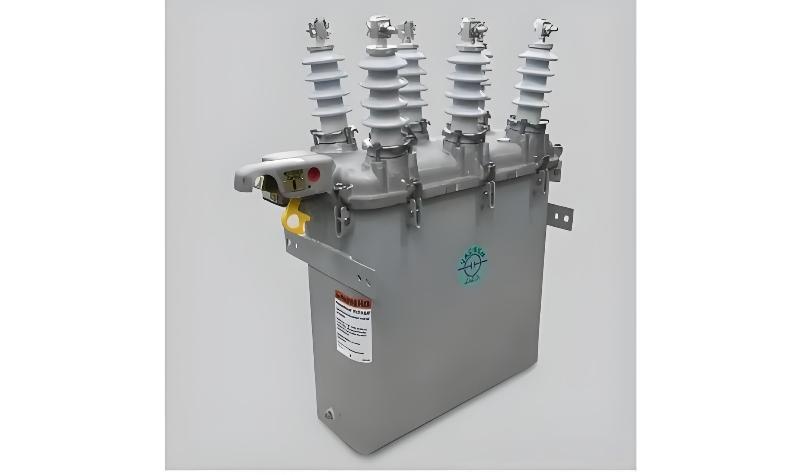
Ang hydraulic control widely used sa most single-phase reclosers ug some three-phase reclosers. Kini exist as an integral part sa recloser itself. Sa kini nga control method, ang overcurrent detected sa usa ka trip coil connected in series with the line. When overcurrent flows through the trip coil, ang coil pulls a plunger, causing the recloser contacts to trip open.
Ang timing ug sequence operations achieved sa hydraulic oil flowing through different hydraulic chambers or orifices. Sa smaller reclosers, ang energy required for reclosing provided by springs, which charged by the plunger of the series-connected trip coil during the overcurrent protection operation. Sa larger reclosers, closing performed by a separate closing solenoid powered by the line voltage from the source side of the recloser.
7. Microprocessor-based or electronic control
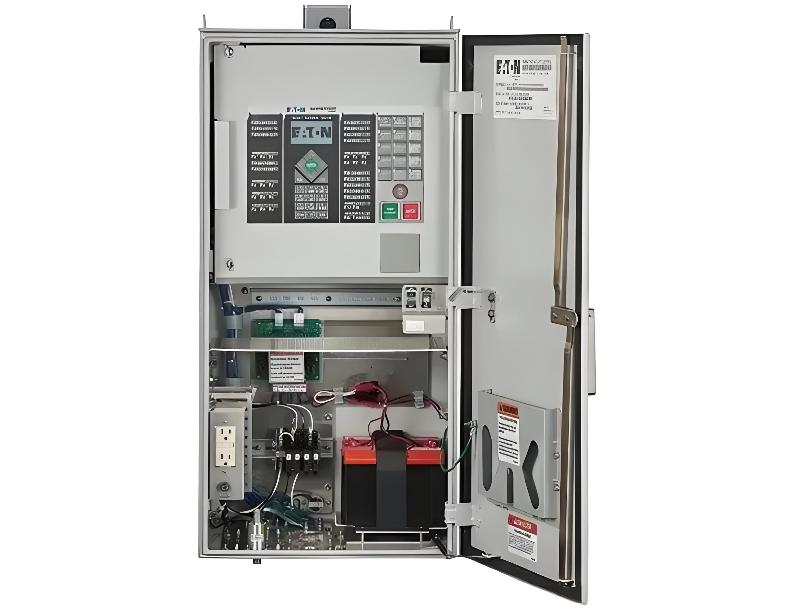
Ang microprocessor-based or electronic control recloser control systems typically installed sa separate control cabinets, allowing operating parameters to be adjusted at any time. Kini mahimong icombine sa various accessories aron customize basic functions to meet a wide range of application requirements. Compared sa hydraulic control, kini nga control methods offer greater flexibility, easier programming ug parameter customization, ug advanced protection, metering, ug automation capabilities.
Ang kontrol batas microprocessor kasagaran gigamit sama sa PC-based interface software para sa pag-configure sa mga setting sa kontrol, pag-record sa metering data, ug pag-set sa mga communication parameters. Ang sistema sa kontrol usab naghatag og daghang analytical tools, kinahanglan fault locating, event recording, ug oscillography functions. Ang electronic control adunay wide application sa most three-phase reclosers gikan sa mid-1980s, ug daghan niining mga yunit mahimong reliable operation hangtod karon.
8. Recloser interrupting mediums
8.1Oil interrupters
Ang mga recloser nga gigamit og oil para sa current interruption magamit usab ang samang oil isip primary insulation medium. Daghang reclosers nga may hydraulic control usab magamit kini nga samang oil aron makapagtugot ug counting functions.
8.2 Vacuum interrupters
Ang vacuum interrupters makapahimo og fast, low-energy arc interruption ug naghatag og advantages sama sa long contact ug interrupter life, low mechanical stress, ug high operational safety. Tungod kay ang arc naka-extinguish sa vacuum, ang contact ug interrupter life wala mapas-an sa uban pang interrupting mediums. Dependente sa model, ang insulation medium alang sa vacuum reclosers mao ang oil, air, o epoxy.