• Product
  • Suppliers
  • Manufacturers
  • Solutions
  • Free tools
  • Knowledges
  • Experts
  • Communities
Search


What environments is the 35kV high-voltage disconnector suitable for?
Echo
Echo
Field: Transformer Analysis
China

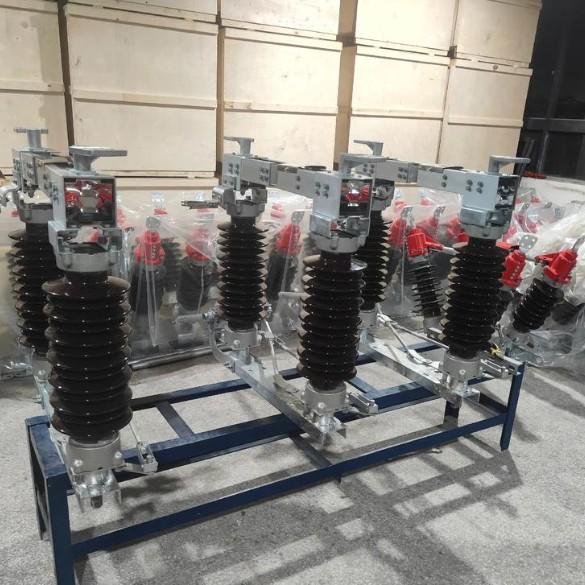
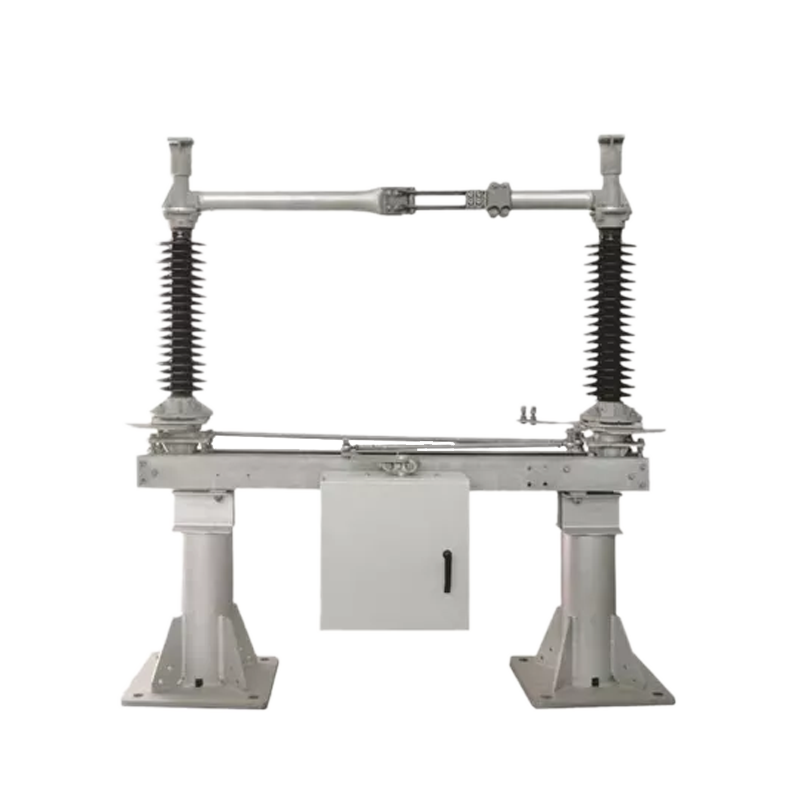
35kV Outdoor Wind-Resistant High-Voltage Disconnector
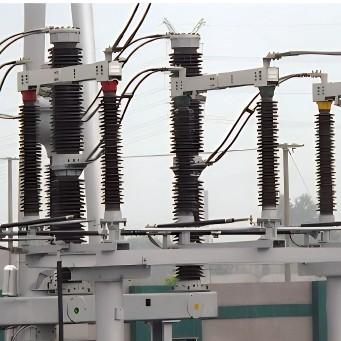
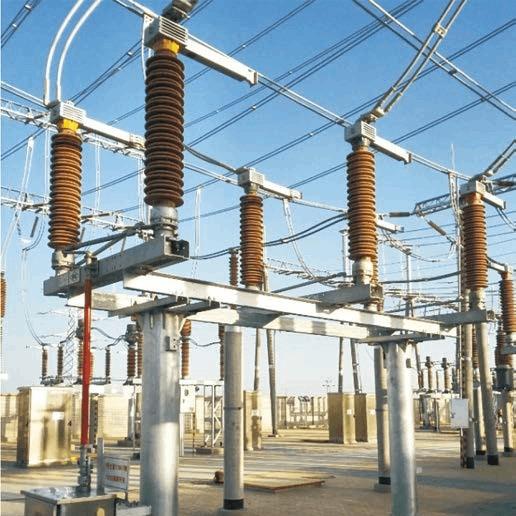
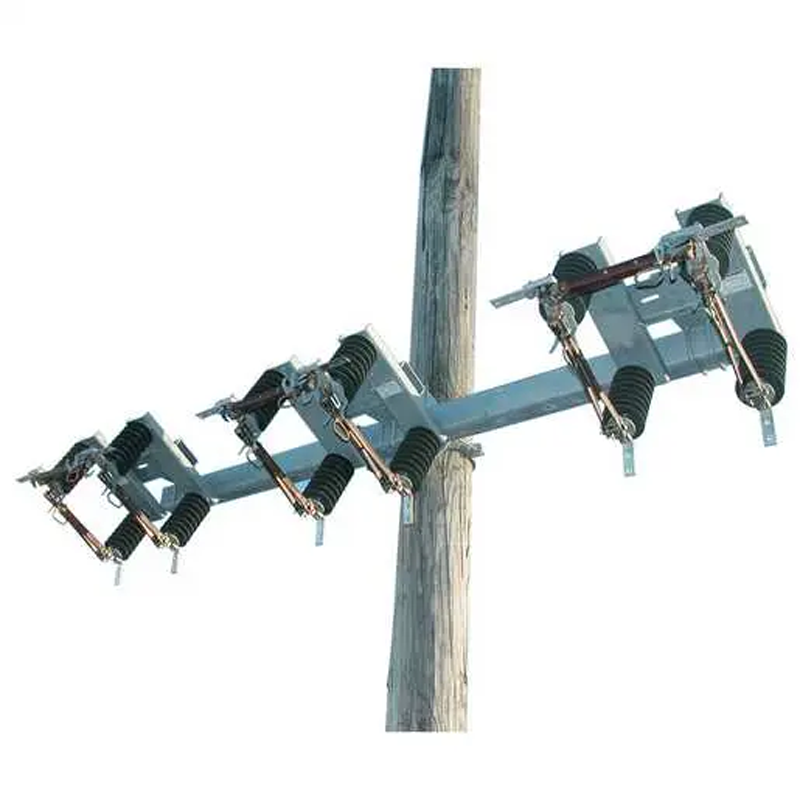
— Suitable for wind farms, overhead line pole-mounted applications, and substation installations.
Model series: GW5-40.5 outdoor high-voltage disconnector (hereinafter referred to as “disconnector”).

This disconnector is designed for use in 50Hz, 35kV power systems to open or close circuits under no-load voltage conditions. The pollution-resistant variant meets the requirements of users in heavily polluted areas and effectively mitigates pollution-induced flashover issues during operation.

The 35kV outdoor pole-mounted wind-resistant high-voltage disconnector GW5-40.5 is a double-column, horizontally opening type. It is manufactured as a single-pole unit. When used for three-phase applications, the three poles are interconnected via operating rods. Each single pole consists of a base, two support insulators, terminal fittings, and contact assemblies. The two porcelain support insulators are mounted parallel to each other and perpendicular to the base, supported by ground bearings at both ends of the base.

Operating Environment

The disconnector is intended for three-phase AC 50Hz circuits to open or close energized but unloaded lines. Its standard operating conditions are as follows:

  • Altitude:

    • Standard type: ≤ 1,000 m above sea level

    • High-altitude type: ≤ 3,000 m

  • Ambient temperature: –40 °C to +40 °C

  • Wind speed: ≤ 35 m/s

  • Seismic intensity: ≤ Grade 8 (on the Chinese seismic scale)

  • Pollution severity:

    • Standard type: suitable for Class II polluted environments

    • Pollution-resistant type: suitable for Class III polluted environments
      (Classification per GB/T 5582, the Chinese national standard)
Give a tip and encourage the author!
Recommended
Common Issues and Handling Measures for 145kV Disconnector Control Circuits
The 145 kV disconnector is a critical switching device in substation electrical systems. It is used in conjunction with high-voltage circuit breakers and plays an important role in power grid operation:First, it isolates the power source, separating equipment under maintenance from the power system to ensure personnel and equipment safety;Second, it enables switching operations to change the system operating mode;Third, it is used to interrupt small-current circuits and bypass (loop) currents.Re
Felix Spark
11/20/2025
What are the six operating principles of disconnect switches?
1. Operating Principle of the DisconnectorThe operating mechanism of the disconnector is connected to the active pole of the disconnector via a connecting tube. When the main shaft of the mechanism rotates 90°, it drives the insulating pillar of the active pole to rotate 90°. The bevel gears inside the base drive the insulating pillar on the other side to rotate in the opposite direction, thereby achieving opening and closing operations. The active pole, through inter-pole linkage tubes, drives
Echo
11/19/2025
36kV Disconnect Switch Selection Guide & Key Parameters
Selection Guidelines for 36 kV Disconnect SwitchesWhen selecting the rated voltage, ensure that the disconnect switch’s rated voltage is equal to or higher than the nominal voltage of the power system at the installation point. For example, in a typical 36 kV power network, the disconnect switch must have a rated voltage of at least 36 kV.For rated current, selection should be based on the actual long-term load current. Generally, the switch’s rated current must be no less than the maximum conti
James
11/19/2025
Copper Conductor Size vs Temperature Rise in 145kV Disconnectors
The relationship between the temperature-rise current of a 145 kV disconnector and copper conductor size lies in balancing current-carrying capacity and heat dissipation efficiency. The temperature-rise current refers to the maximum continuous current a conductor can carry without exceeding its specified temperature rise limit, and the copper conductor size directly influences this parameter.Understanding this relationship begins with the physical properties of the conductor material. Copper’s c
Echo
11/19/2025
Related Products
Send inquiry
Download
Get the IEE Business Application
Use the IEE-Business app to find equipment, obtain solutions, connect with experts, and participate in industry collaboration anytime, anywhere—fully supporting the development of your power projects and business.