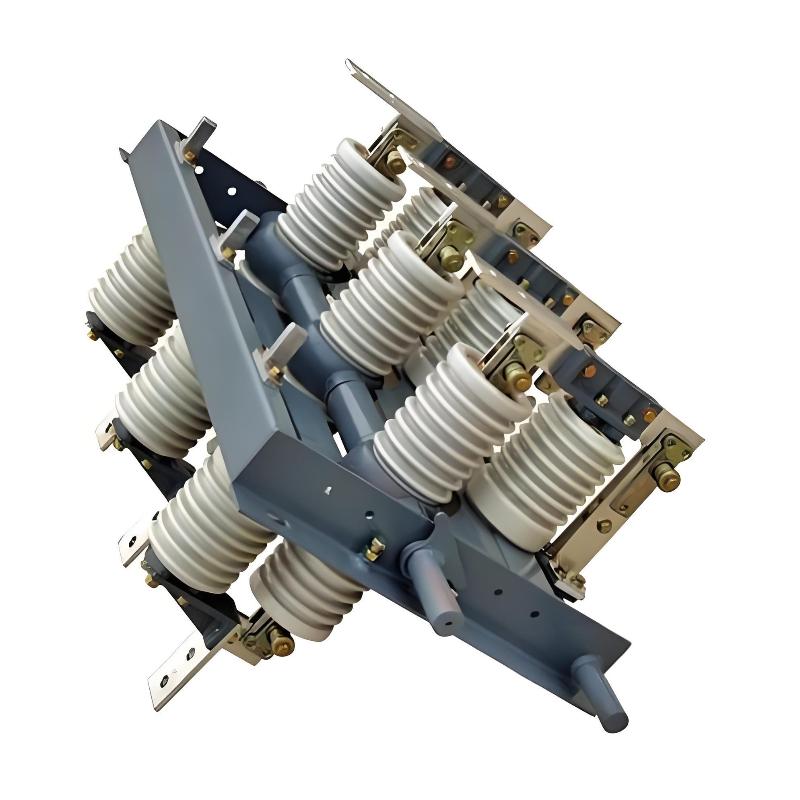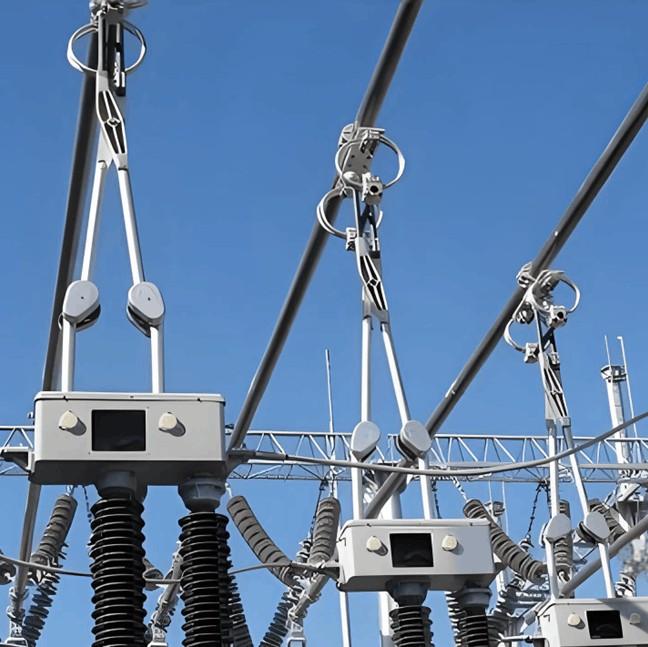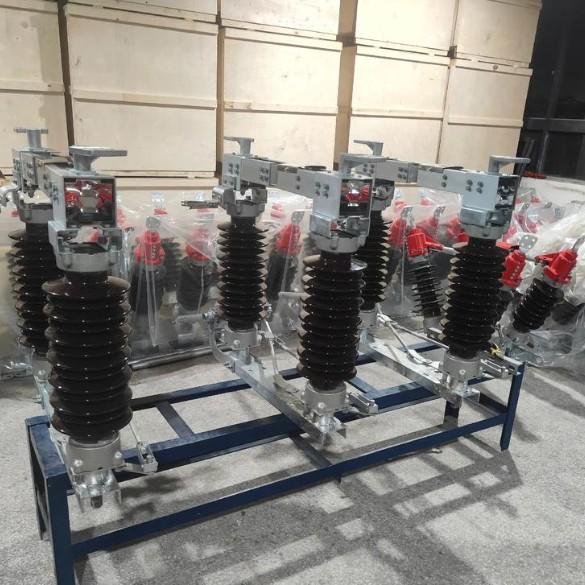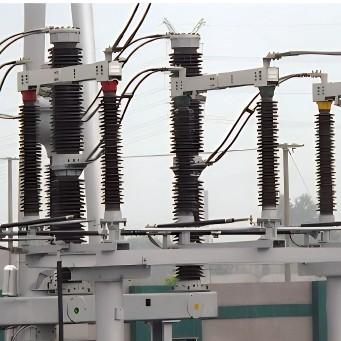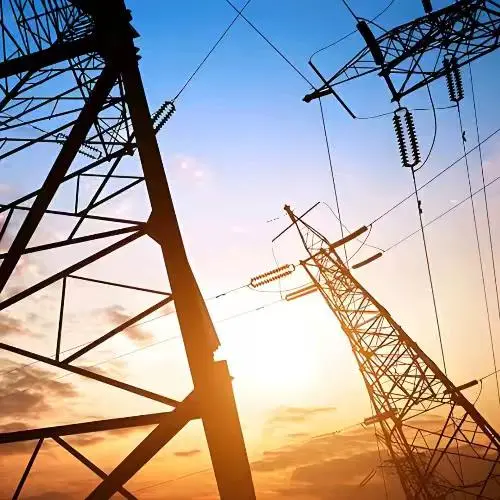
Ang relasyon sa pagtaas sa temperatura ng kuryente sa 145 kV disconnector ug ang laki sa copper conductor naka-depende sa pagbalanse sa capacity sa kuryente ug efficiency sa pagdissipate sa heat. Ang temperature-rise current nagrefer sa maximum nga continuous current nga mahatagan sa conductor bisan wala na mosobra sa iyang gi-angkon nga limit sa pagtaas sa temperatura, ug ang laki sa copper conductor direkta naka-influensya kaniini.
Ang pag-unawa sa relasyon kini magsugod sa physical properties sa materyal sa conductor. Ang conductivity, resistivity, ug thermal expansion coefficient sa copper nakadetermina sa heat generation sa ilimnon ug rate sa pagdissipate sa heat. Ang mas dako nga cross-sectional area makapadami sa resistance per unit length, resulta niini adunay kauban nga mas gamay nga heat sa sama nga kuryente. Pwede mosulti nga ang 2.5 mm² copper wire adunay mas gamay nga pagtaas sa temperatura kaytud sa 1.5 mm² wire kon may 20 A nga kuryente.
Kon magpili sa laki sa conductor, ang tulo ka key factors kinahanglan ma-evaluate holistically:
Load characteristics, kasinlapan sa magnitude ug duration sa pagbag-o sa kuryente. Ang equipment nga may frequent starts/stops o short-term overloads kinahanglan nga isulay ang transient temperature rise effects sa insulation.
Ambient temperature: Ang mas taas nga ambient temperature nagpasabot sa mas dako nga conductors aron mapagana ang additional thermal stress.
Installation method: Ang enclosed conduits adunay gamay nga heat dissipation; ang laki sa conductor kinahanglan pa-dako ngadto sa 20% kaysa sa open installations.
Ang critical thresholds mahimo mogamit ang formula:
ΔT = (I² · R · t) / (m · c)
kon diin I ang kuryente, R ang resistance per unit length, t ang oras, m ang mass sa conductor, ug c ang specific heat capacity. Sa praktikal, ang quick-reference tables kasagaran gigamit—pamaagi niini, sa 40°C ambient temperature, ang standard BV wires adunay sumala nga ampacities: 1.5 mm² → 16 A, 2.5 mm² → 25 A, 4 mm² → 32 A.
Ang common misconceptions kinahanglan ipagbilin. Ang uban nag-assume nga ang simple nga pagpadako sa laki sa conductor mahimo motubagon ang overheating—but ang poor terminal contact, oxidation sa joints, o loose connections makapaghan-ay sa localized hotspots. Sa usa ka case, ang poorly crimped 4 mm² copper connection nahuman og 120°C sa 15 A lamang, sobra sa bulk temperature rise sa 65°C sa conductor.
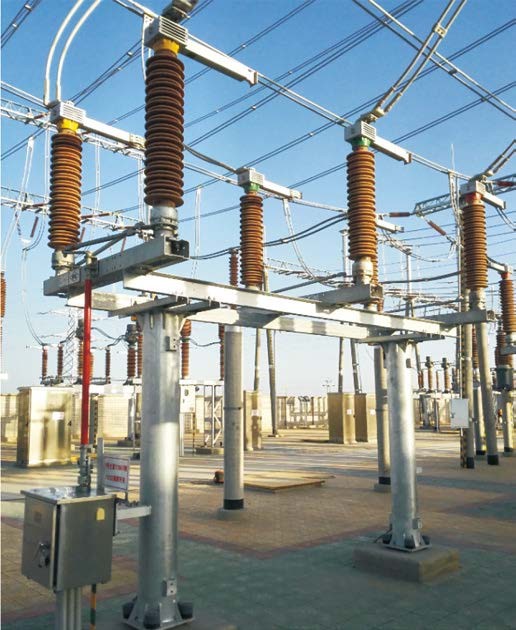
Ang purity sa copper significantly affects temperature rise. Ang oxygen-free copper (99.9% Cu) adunay 8–12% mas gamay nga resistivity kaytud sa recycled copper, enabling ~10% mas taas nga current capacity sa sama nga laki. Gitumong nga maggamit og copper wire nga compliant sa GB/T 395 standards para sa electrical applications.
Ang practical application strategies mahimo mogamit sa tulo ka tiers:
Tier 1 (Basic Matching): Pili ang laki sa conductor batas sa 1.2× rated current.
Tier 2 (Dynamic Compensation): Adjust for power factor—inductive loads require 5–8% larger conductors.
Tier 3 (Redundancy Design): Reserve 20% current margin on critical circuits for unexpected surges.
Heat dissipation can be enhanced through structural and material improvements:
Stranded conductors offer >30% more surface area than solid-core wires.
Tin-plating reduces contact resistance by 15–20%.
In enclosed switchgear, replacing bundled cables with copper busbars improves heat dissipation by 40% while reducing connection points.
Maintenance intervals impact long-term stability. Inspect connection tightness every 500 operating hours, use thermal imaging to monitor temperature distribution, and replace oxidized terminals promptly. In humid environments, apply anti-corrosion coatings to prevent electrochemical degradation that increases resistance.
Special scenarios demand tailored approaches:
High-frequency equipment (>1 kHz): Skin effect becomes significant; use multiple parallel fine strands instead of a single thick conductor.
Unbalanced three-phase systems: Size conductors based on the highest phase current; neutral conductors should be no smaller than phase conductors.
Experimental validation is essential. Build a test rig and run at 1.5× rated current for 2 hours, recording temperature-rise curves at critical points. Acceptance criteria: Ambient temp + Conductor temp rise ≤ Insulation thermal rating (e.g., ≤70°C for PVC).
Cable layout geometry affects cooling:
Maintain spacing ≥2× cable diameter for parallel runs.
Vertical installation dissipates heat 15–20% better than horizontal routing—prefer for high-current lines.
Minimum bend radius should be ≥6× conductor diameter to avoid localized heat trapping.
Monitor conductor aging dynamically: under normal use, copper resistance increases ~0.5% annually. After five years, re-evaluate ampacity. Install temperature sensors at critical nodes and implement real-time warning thresholds.
Ang mga joint nga copper-aluminum magkinahanglan og espesyal nga atensyon. Ang galvanic corrosion nagkakita sa mga interface sa di parehas nga materyales—palihog gamit ang sertipikadong bi-metallic connectors ug i-aplikar ang antioxidant grease. Usa ka analisis sa pagkawalhati sa substation mipakita nga ang mga wala gi-protect na Cu-Al joints sa makapal na kondisyon mitriplo ang resistance sa contact sa loob sa tulo ka bulan, nagresulta sa meltdown.
Ang voltage drop usab mahimong importante, esepesyalmente sa mga long-distance runs. Siguradha nga ang terminal voltage molabay ≥95% sa nominal value. Kung ang constraints sa temperature rise ug voltage drop mibag-o, pili ang size sa conductor nga gihatagan sa mas strict nga requirement.
Ang thermal resistance sa insulation usa ka importanteng factor. Ang thermal conductivity mag-vary sa dako—e.g., ang silicone rubber duha ka beses mas taas kaysa PVC, nakapahimo og 8–12% mas taas nga current sa sama nga size. Para sa high-temperature applications, gamit ang XLPE (cross-linked polyethylene) insulation, rated para sa continuous operation hangtud 90°C.
Finalmente, ang electromagnetic effects—skin effect ug proximity effect—magreduce sa effective area sa conductor sa AC systems. Para sa large single-core conductors, ang paggamit og daghang mas smaller parallel conductors mas effective para sa kontrol sa temperatura kontra sa usa ka oversized one.
Nag-offer mi og professional calculator—palihog bisita ang Calculator section sa among website kon nanginahanglan nimo!