From 66 kV to 500 kV: The Rise of Eco-Friendly Vegetable Oil Transformers

Vegetable Oil in High-Voltage Power Transformers: Current Status, Technical Challenges, and Market Outlook
Natural ester (vegetable) oil is gaining traction as a sustainable alternative to mineral oil in power transformers. Thanks to its biodegradability, high fire point (>300°C), and extended insulation life, vegetable oil transformers are increasingly deployed worldwide—especially in environmentally sensitive or fire-risk areas.
As of 2025, over 2 million vegetable oil-filled transformers are in service globally. However, the vast majority are low-voltage distribution units (<35 kV). Adoption in high-voltage (HV) applications (≥66 kV) remains limited but is steadily growing.
Global Deployment of HV Vegetable Oil Transformers
China: Only one vegetable oil transformer rated 66 kV or above has been grid-connected to date.
Worldwide: Fewer than 1,000 HV units (≥66 kV) are estimated to be in operation.
Highest Voltage Achieved: A 420 kV natural ester transformer by Siemens (Germany), commissioned in 2013, continues safe operation.
500 kV Prototypes: Several manufacturers (e.g., Hitachi ABB Power Grids, Siemens Energy) have developed 500 kV vegetable oil transformers, though none have been grid-connected yet.
HVDC Applications: Early-stage research is exploring natural esters in DC systems, but no commercial products exist.
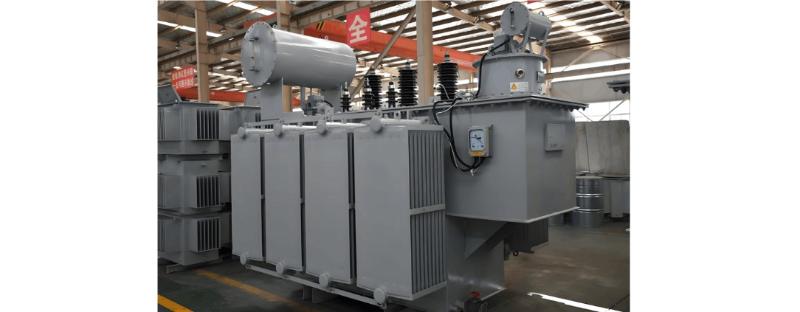
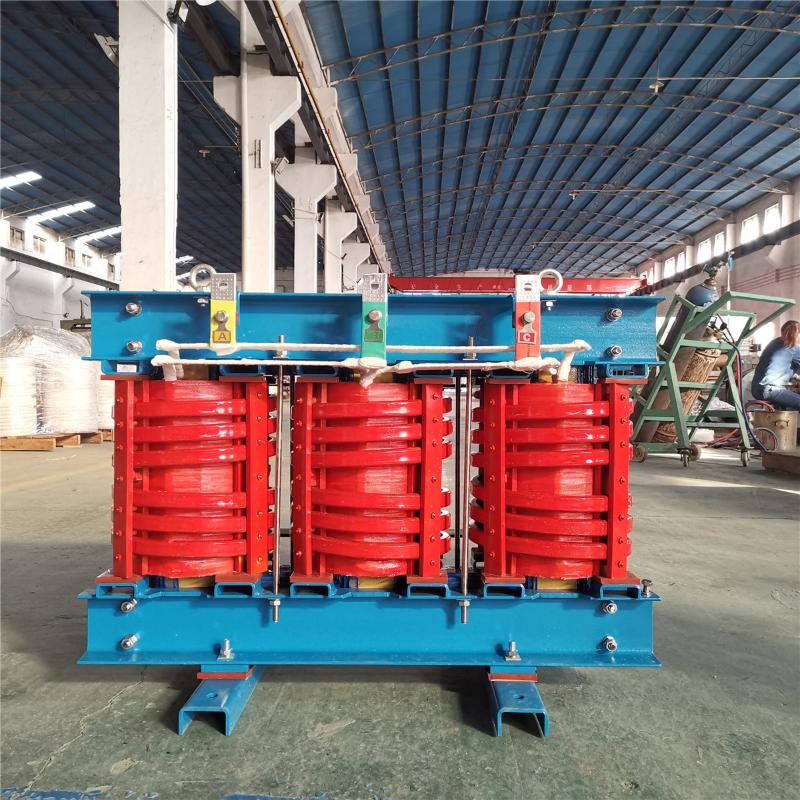
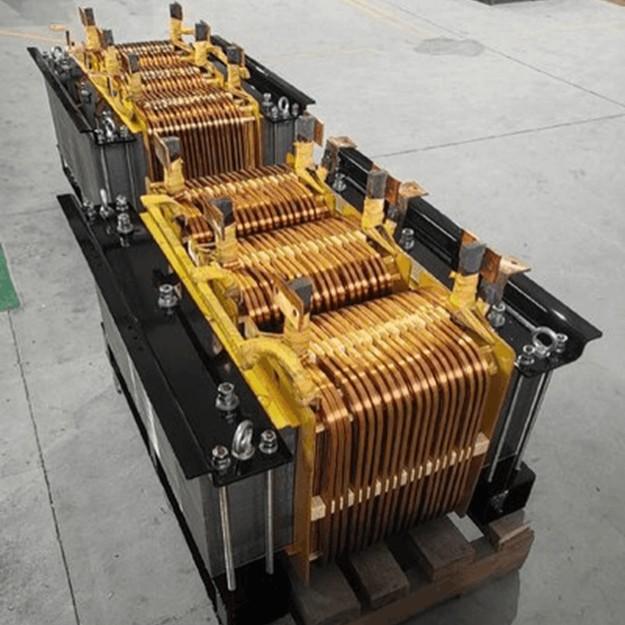
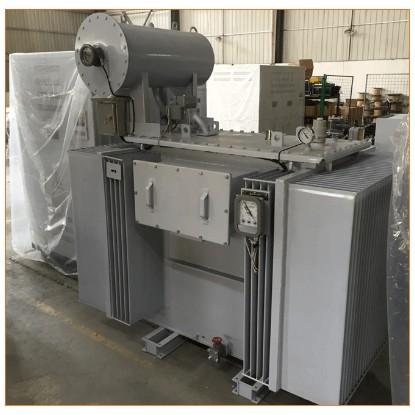
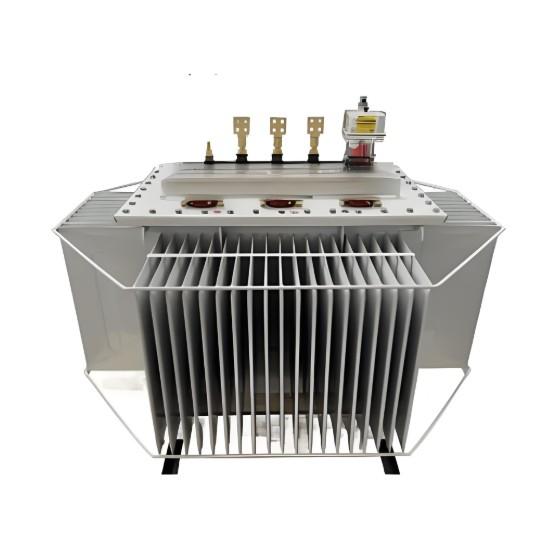
Alt text: 110 kV natural ester-filled power transformer installed in a substation, showcasing eco-friendly high-voltage technology.
Why Is HV Adoption So Limited?
While vegetable oil offers clear environmental and safety advantages, its use in high-voltage transformers faces significant technical hurdles:
1. Insulation Performance in Non-Uniform Electric Fields
HV transformers feature complex geometries with highly non-uniform electric fields (e.g., near bushings, tap changers). Vegetable oil’s higher dielectric constant (~3.0 vs. ~2.2 for mineral oil) alters field distribution, requiring complete redesign of insulation systems.
2. Material Compatibility
Seals, gaskets, paints, and solid insulation (e.g., pressboard) must be compatible with vegetable oil’s:
Higher viscosity (affects cooling),
Oxidation behavior (forms acids over time),
Hygroscopic nature (absorbs more moisture).
3. Lack of Standards & Field Experience
IEC 62770 and IEEE C57.147 provide guidance for natural ester use, but HV-specific standards are incomplete.
Utilities lack long-term operational data on aging, maintenance intervals, and fault response.
4. Low Market Demand
HV transformers have long lifespans (30–50 years) and are rarely replaced. Combined with higher upfront costs, this slows adoption—even where regulations favor green alternatives.
The Path Forward: Collaboration Is Key
Overcoming these barriers requires close cooperation among:
Transformer manufacturers (design validation),
Oil producers (formulation stability),
Utilities (pilot projects, data sharing),
Standards bodies (updating IEC/IEEE guidelines).
China’s Strategic Opportunity
Although China’s HV vegetable oil transformer deployment lags, its position as the world’s largest transformer manufacturer offers unique leverage. With strong policy support for carbon neutrality and green grid infrastructure, China is poised to lead the next wave of HV natural ester transformer innovation.